Who is Worshipped at Kedarnath
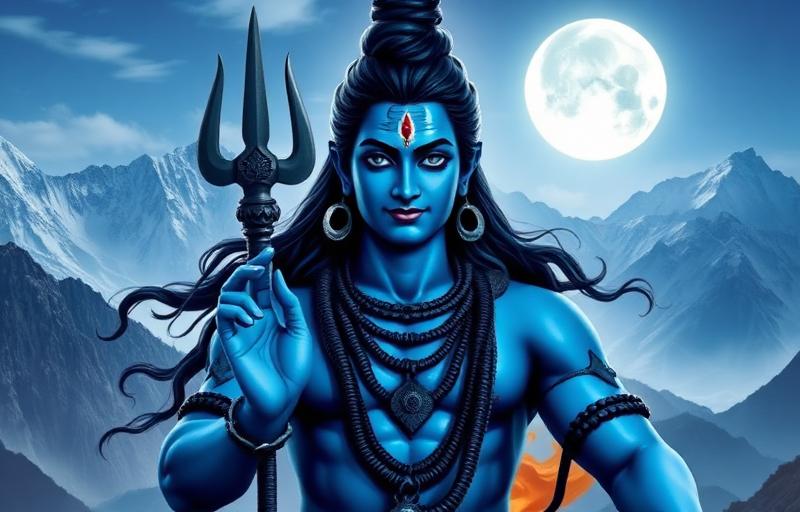
Kedarnath Temple, dedicated to Lord Shiva as one of the twelve Jyotirlingas, stands amid the snow-capped peaks of the Garhwal Himalayas in Uttarakhand, at the source of the Mandakini river.
Here Shiva is worshipped in the form of a naturally occurring rock structure regarded as a swayambhu, or self-manifested, Jyotirlinga, drawing devotees from across India each year.
History and Legend
Tradition connects Kedarnath to the Pandavas of the Mahabharata, who came seeking Shiva's forgiveness after the war at Kurukshetra to atone for the sin of killing their own kin. Shiva, wishing to test their sincerity, is said to have taken the form of a bull and evaded them; where he finally revealed himself became the sacred Jyotirlinga.
Tradition also holds that Adi Shankaracharya revived worship at this shrine, and a samadhi shrine associated with him stands just behind the temple.
Significance and What Devotees Pray For
Devotees visit Kedarnath praying for spiritual liberation, protection from difficulties, and the wellbeing of their families.
Because of its remote and demanding setting, the yatra itself is regarded as an act of tapasya, or austerity, and devotion, and completing the journey is considered a blessing in itself.
Darshan Guide: Timings, Season and Festivals

The temple opens for about six months, typically from Akshaya Tritiya in April-May until around Diwali in the Kartik month, after which the region is sealed by heavy snowfall.
Daily darshan generally follows morning Aarti, darshan through the day, and an evening Aarti, with exact timings announced each season by the temple authorities. Devotees often combine the visit with Badrinath as part of the wider Char Dham yatra.
How to Reach Kedarnath
Kedarnath is reached via Gaurikund in Uttarakhand, the last motorable point, from where pilgrims cover the remaining distance on foot, pony, palanquin or helicopter service.
The nearest railway station is Rishikesh and the nearest airport is Jolly Grant Airport in Dehradun.
Mantra to Chant and a Simple Takeaway
Devotees chant Om Namah Shivaya while offering prayers at Kedarnath. Simple meaning: salutations to Lord Shiva.
The Kedarnath yatra reminds devotees that faith often asks for effort and patience, and that the journey itself can be a form of worship - worship is an act of faith and love, not a transaction.
Reader Questions Answered
Why is Kedarnath important to Hindus?+
It is one of the twelve Jyotirlingas of Lord Shiva and one of the Char Dham shrines of Uttarakhand, set at the source of the Mandakini river in the Himalayas.
What is the Pandavas' connection to Kedarnath?+
Tradition holds that the Pandavas came here seeking Shiva's forgiveness after the Mahabharata war, and the temple's Jyotirlinga is linked to that katha.
How do pilgrims reach Kedarnath temple?+
From Gaurikund, the last motorable point, pilgrims travel the remaining stretch on foot, pony, palanquin or by helicopter service.
About the author
Pandit Ravindra Sharma · Vedic Rituals & Bhakti, 22+ years
Pandit Ravindra is the Vandnaa editorial team's resident specialist on aarti, chalisa, and daily devotion. He has performed home and temple pujas across Varanasi and Delhi for over two decades and contributes the bhakti-focused articles on this site.
Meet the Vandnaa editorial team →