What Is Kharmas (Malmas)?
Kharmas, also called Malmas in many regions, is the roughly month-long period when Surya Dev transits through Dhanu rashi (Sagittarius) or Meena rashi (Pisces) on the traditional Hindu calendar. This happens twice every year: once from around mid-December to mid-January, and again from around mid-March to mid-April. During these weeks, Hindu tradition pauses new mangal karya - auspicious beginnings such as weddings, griha pravesh and mundan. It is important to understand what Kharmas is NOT. It is not a period of bad luck, fear or predictions about your life. It is simply a long-standing convention of the Hindu calendar, much like how certain seasons are set aside for sowing and others for harvest. Daily puja, temple visits, japa and festivals that fall in this window continue completely as normal.
Kharmas 2026 Dates - The Two Periods
In 2026 there are two Kharmas windows to note. The first ran from Meena Sankranti (around 15 March 2026) to Mesha Sankranti (around 14 April 2026), when Surya moved through Meena rashi. The second begins with Dhanu Sankranti (around 16 December 2026) and continues until Makar Sankranti (14 January 2027), when Surya enters Makar rashi and the pause lifts. Because a sankranti is the precise moment Surya enters a new rashi, the exact start and end can shift by a day depending on the year and your location. This is why families fixing a wedding or griha pravesh date always confirm with a current panchang rather than relying on memory. You can check the live sankranti dates and the daily tithi on the Vandnaa Panchang, which shows the Hindu date alongside the English calendar for your city.
The Surya-Brihaspati Tradition Behind Kharmas
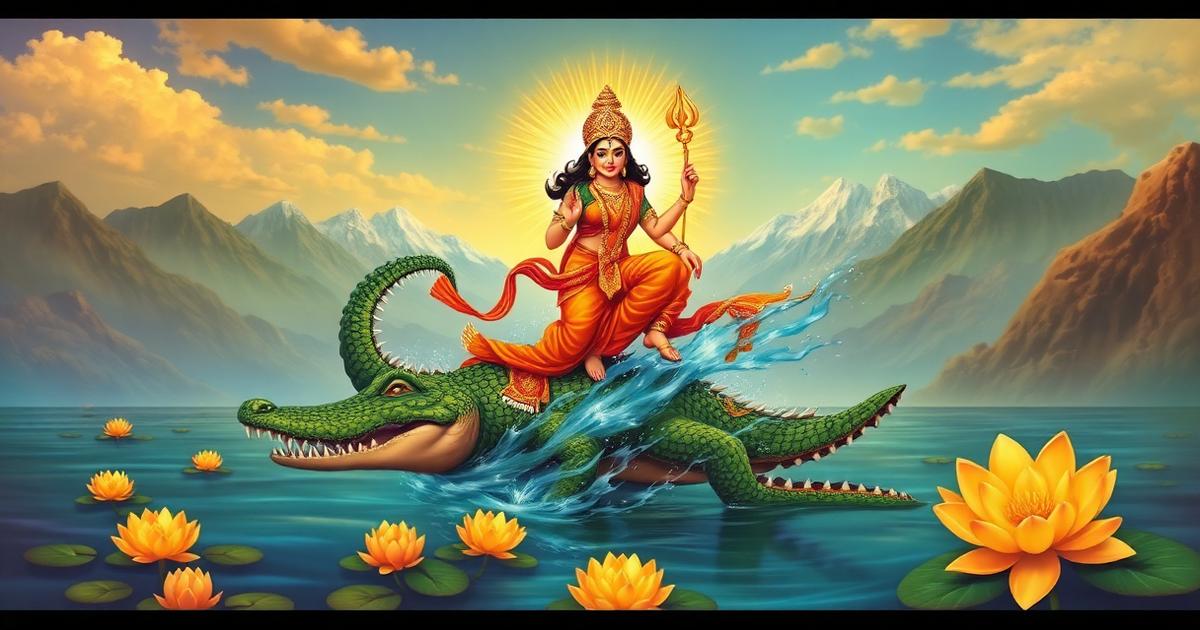
Why does the calendar pause during these two months? Tradition offers a beautiful katha. Surya Dev rides a chariot of seven horses that never stops, for if the Sun rests, time itself would halt. Once, the story goes, his horses grew desperately thirsty. Surya paused near a pond where two khar (donkeys) stood, yoked them to the chariot, and let his horses drink and recover. With donkeys pulling, the chariot slowed - and that slower month became known as Kharmas, the month of the khar. A second thread of the tradition relates to Brihaspati, the devaguru who presides over marriage and sacred beginnings. Dhanu and Meena are regarded as Brihaspati's own rashis. When Surya enters the guru's house, the guru is understood to be occupied in receiving him, so new ceremonies that need his blessing wait. The shared message: even the mightiest pause, and waiting too can be worship.
What Traditionally Pauses During Kharmas
Kharmas affects only new auspicious beginnings, not ongoing devotion or daily life. The activities families traditionally postpone are: 1. Vivah (weddings) - the most widely observed pause; wedding seasons resume after Makar Sankranti and Mesha Sankranti. 2. Griha pravesh - formal entry into a newly built or newly bought home with havan and kalash. 3. Mundan and upanayan - first head-shaving and sacred thread ceremonies. 4. Bhoomi pujan - laying the foundation of a new house. 5. Starting a major new venture with a formal muhurat ceremony. What does NOT stop: daily puja, aarti, temple visits, Ekadashi and other vrats, festivals such as Christmas-season Gita Jayanti or Makar Sankranti preparations, buying essentials, school, travel and work. If a birth, naming need or urgent matter arises in Kharmas, families simply consult their purohit; tradition has always allowed for necessity and regional practice varies.
What IS Encouraged - Japa, Daan, Surya Arghya and Bhajan
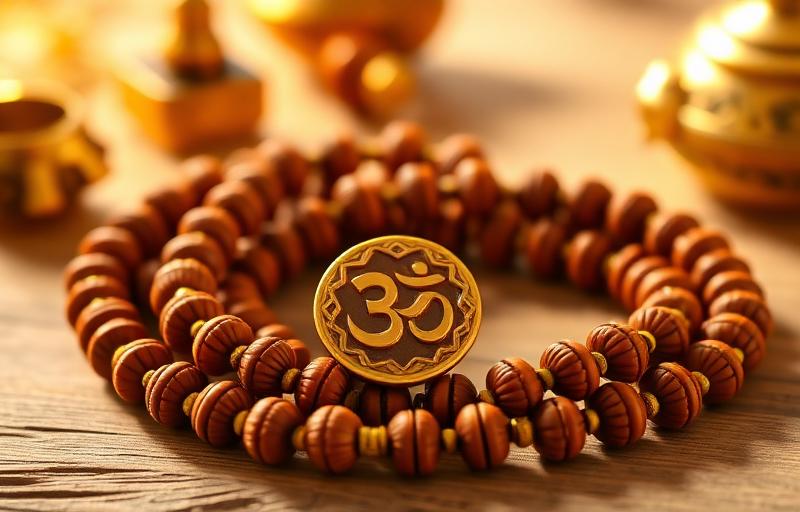
Far from being an empty month, Kharmas is treasured as a season of inner devotion. Tradition holds that bhakti done in this period carries special merit precisely because outer celebrations are quiet. Devotees are encouraged to: 1. Surya arghya - offer water to the rising Sun from a copper lota, reciting Om Suryaya Namah or the Gayatri Mantra. 2. Japa - daily rounds of a chosen mantra, such as the Vishnu mantra Om Namo Bhagavate Vasudevaya, on a tulsi mala. 3. Daan - giving warm clothes, blankets, food grains, til (sesame) and ghee, especially meaningful in the winter Kharmas. 4. Vishnu bhajan and katha - singing bhajans, reading the Bhagavad Gita or Vishnu Sahasranama, attending satsang. 5. Tirtha and snan - visiting a temple or sacred river; many devotees take an early-morning bath and do extra seva. Think of Kharmas as the calendar's built-in retreat: the outer noise lowers so the inner voice can be heard.
A Simple Daily Routine for Kharmas
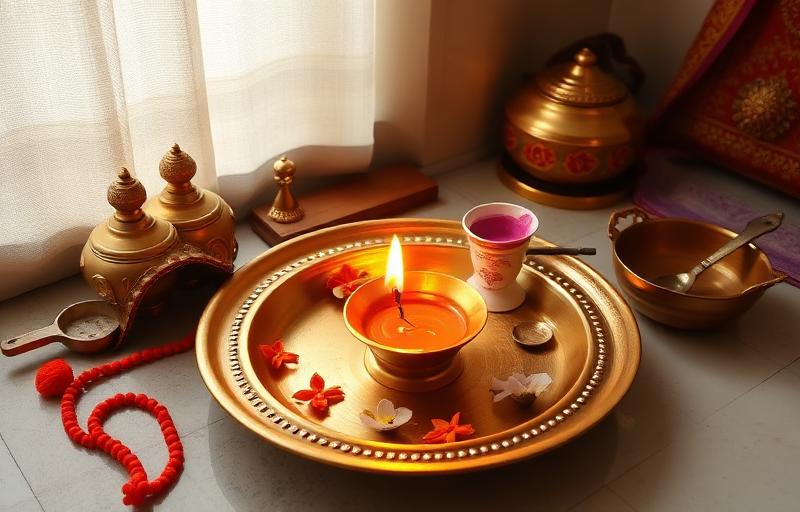
If you want to use Kharmas well without overwhelming your day, this gentle routine takes under thirty minutes: 1. Morning - wake before sunrise if possible, bathe, and offer Surya arghya with three slow pourings of water, facing east. 2. Mantra - sit for one mala (108 repetitions) of Om Namo Bhagavate Vasudevaya or the Gayatri Mantra. 3. Reading - one shloka of the Bhagavad Gita with its meaning; over a full Kharmas you will absorb a whole chapter or more. 4. Evening - light a diya at the tulsi plant or home mandir and sing one bhajan or aarti with the family. 5. Weekly daan - set aside something each week, even small, for someone who needs it more. Consistency matters more than scale. A devotee who keeps this rhythm through one full Kharmas usually finds the habit continues long after Makar Sankranti arrives.
Checking Kharmas and Sankranti Dates on the Vandnaa Panchang
Because Kharmas begins and ends at the exact moment of a sankranti, printed wall calendars sometimes differ by a day, and dates shift slightly every year. The reliable habit is to check a live panchang. On the Vandnaa Panchang you can see today's tithi, the current Hindu month, upcoming sankranti dates and the festival list for your location, all in English and Hindi. Before fixing any wedding, griha pravesh or mundan date, confirm three things: that the date falls outside the Dhanu and Meena transit windows, that the tithi and day suit your family tradition, and that your purohit agrees with the muhurat. Remember the spirit behind the rule rather than only the rule itself: Kharmas is not a month to fear but a month the tradition has gifted to devotion, daan and quiet inner work. Plan the celebrations for after Makar Sankranti, and let these weeks belong to bhakti.
Common Questions From Devotees
What is Kharmas and when does it occur in 2026?+
Kharmas (Malmas) is the period when Surya transits Dhanu or Meena rashi, during which new auspicious ceremonies pause. In 2026 it ran roughly 15 March to 14 April (Meena) and runs again from about 16 December 2026 to Makar Sankranti on 14 January 2027 (Dhanu). Exact moments vary slightly, so check a current panchang.
Can we do daily puja and vrats during Kharmas?+
Yes, absolutely. Kharmas pauses only new auspicious beginnings like weddings and griha pravesh. Daily puja, aarti, Ekadashi vrat, temple visits, japa and all regular devotion continue as normal - in fact tradition considers bhakti done during Kharmas especially meritorious.
Why are weddings not performed during Kharmas?+
Tradition holds that Dhanu and Meena are the rashis of Brihaspati, the devaguru who blesses marriages and sacred beginnings. When Surya enters the guru's house, new ceremonies needing his blessing wait until Makar or Mesha Sankranti. It is a calendar convention of devotion and patience, not a prediction of misfortune.
What should we donate during Kharmas?+
Daan is one of the most encouraged practices of Kharmas. In the winter period devotees give warm clothes, blankets, til (sesame), gur (jaggery), food grains and ghee. In the spring period, water, buttermilk, food and footwear are traditional. Give according to your capacity; sincerity matters more than quantity.
Is Kharmas the same as Adhik Maas?+
No. Kharmas occurs twice every year when Surya transits Dhanu and Meena. Adhik Maas (Purushottam Maas) is an extra lunar month added roughly once every 32-33 months to align the lunar and solar calendars. Both pause new auspicious ceremonies and both are devoted to extra bhakti, but they are different calendar events. Some regions loosely call both 'Malmas', which causes the confusion.
How can I check the exact Kharmas dates for my city?+
Open the Vandnaa Panchang and look for Dhanu Sankranti and Meena Sankranti - Kharmas runs from each of these to the next sankranti (Makar and Mesha respectively). The panchang shows the current tithi, Hindu month and upcoming festival dates for your location, so you can plan vrats and ceremonies with confidence.
About the author
Pandit Mahesh Trivedi · Festival Traditions & Panchang
Pandit Mahesh leads the festival-date and Panchang content on Vandnaa. He cross-references multiple regional panchangs (Drik, Vaishnava, Bengali, Marathi) for every festival date published on the site.
Meet the Vandnaa editorial team →