Who is Khatu Shyam Ji
Khatu Shyam Ji is the name by which devotees worship Barbarika, grandson of Bhima, who according to tradition offered his own head to Lord Krishna in supreme devotion before the Kurukshetra war. Pleased by this sacrifice, Krishna blessed him that in Kaliyug he would be worshipped under the name Shyam.
His principal shrine stands in Khatu village, Sikar district, Rajasthan, where lakhs of devotees gather, especially during the Phalguna Mela. Devotees affectionately call him 'Haare ka Sahara' - the support of the hopeless - believing he answers with special compassion those who feel they have no one else to turn to.
The Khatu Shyam Chalisa is one of the most widely sung hymns among his devotees, known as Shyam premis, and is recited both at the temple and in homes across North India.
Khatu Shyam Chalisa - Representative Verses (Hindi)
Khatu Shyam Chalisa circulates in several versions among devotee communities. Here are representative opening and central verses in the traditional doha-chaupai form:
दोहा: जय श्याम बाबा कृपा निधि, हारे के तुम सहारा। शीश दान कर धन्य भए, तुमको बारंबार नमस्कारा॥
चौपाई: जय श्याम बाबा जय खाटू वाले। भक्तन के तुम दुख हरवाले॥ बर्बरीक नाम तुम्हारा पहला। भीम नाती बलशाली सजीला॥ कृष्ण परीक्षा शीश मंगायो। धन्य भयो शीश दान चढ़ायो॥ कलियुग में श्याम नाम पायो। भक्तन का हारा जग जायो॥ खाटू धाम में ज्योति तुम्हारी। दर्शन पावत भक्त सुखकारी॥ फाल्गुन मेला लगत निराला। लाखों आवत शीश झुकाला॥
दोहा: श्याम चालीसा जो पढ़े, सच्चे मन विश्वास। हारी बाज़ी जीत हो, पूरण हो हर आस॥
Meaning and Devotional Significance
The chalisa's core memory is the shirdaan - the offering of the head - referenced in the line about Krishna's test and Barbarika's willing sacrifice. Devotees read this not as a call to literal sacrifice, but as the ultimate symbol of surrendering ego and pride before the divine.
The title 'Haare ka Sahara' carries deep comfort: Khatu Shyam is approached specifically by those who feel they have already lost, whether in health, finances, relationships or hope itself. Tradition holds that he does not turn away devotees on the basis of merit or worthiness, only sincerity.
The closing doha's promise that 'haari baazi jeet ho' (even a lost game turns to victory) reflects this central devotional promise: sincere faith, tradition says, can turn around what feels irreversibly lost.
Benefits of Reciting Khatu Shyam Chalisa

As per tradition, devotees who recite the Khatu Shyam Chalisa with sincere faith believe it brings:
- Courage and hope during difficult, seemingly hopeless situations
- Relief from prolonged struggles in health, finances or relationships
- A sense of surrender that eases anxiety and mental burden
- Protection and steadiness for those undertaking a new effort
- Deepening of humility and gratitude in daily life
- Strength to keep faith even when outcomes are uncertain
These are held as matters of devotion and trust passed down among generations of Shyam premis, not promises independent of one's own effort.
When and How to Recite
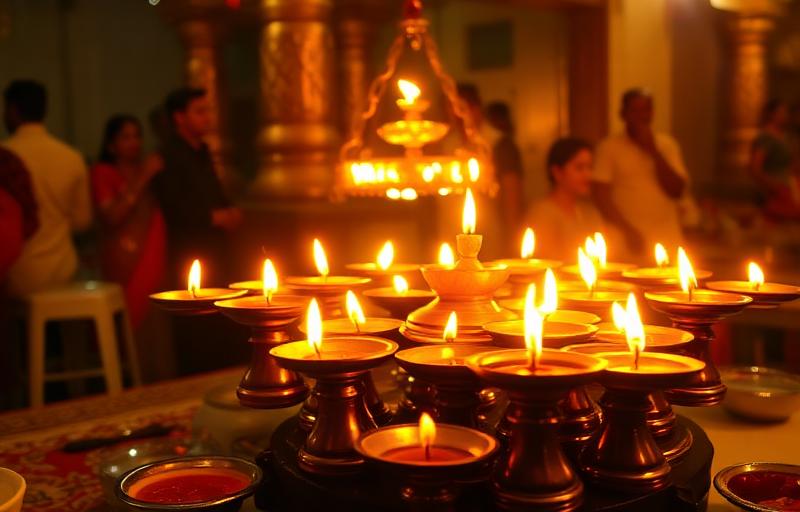
Ekadashi and Tuesdays are considered especially dear to Khatu Shyam Ji, along with the Phalguna Mela (around Holi) and the Bhadrapada mela, when the temple sees its largest gatherings. At home, devotees light a diya before his image, offer flowers, paan, elaichi and a simple sattvic bhog, then recite the chalisa with attention.
Many devotees also keep a weekly practice of visiting a Shyam temple or singing his bhajans on Tuesdays. If travelling to Khatu itself is not possible, home recitation with sincerity is considered equally welcomed.
As with all devotion, worship is an act of faith and love, not a transaction - the chalisa is a way of placing one's burden before Baba Shyam, not a guaranteed formula for a desired outcome.
What People Ask Most
Why is Khatu Shyam Ji called 'Haare ka Sahara'?+
Devotees believe Khatu Shyam Ji especially answers those who feel they have already lost hope in health, finances or relationships, offering them comfort and courage. This is why he is affectionately called the support of the hopeless.
What is the connection between Khatu Shyam Ji and Barbarika?+
Khatu Shyam Ji is the name by which Barbarika, grandson of Bhima, is worshipped, following the boon Lord Krishna gave him after his supreme act of devotion before the Kurukshetra war.
When is the best time to visit or worship Khatu Shyam Ji?+
Tuesdays and Ekadashi are considered especially auspicious, while the Phalguna Mela around Holi is the largest annual gathering at the Khatu temple in Rajasthan.
About the author
Acharya Vinaya Kapoor · M.A. Sanskrit, Mantra & Stotra Studies
Acharya Vinaya holds an M.A. in Sanskrit from Banaras Hindu University and writes the mantra and stotra commentary on Vandnaa. Her focus is on accurate pronunciation, traditional context, and helping modern readers connect with classical texts.
Meet the Vandnaa editorial team →