Who is Ragnya Devi of Kheer Bhawani
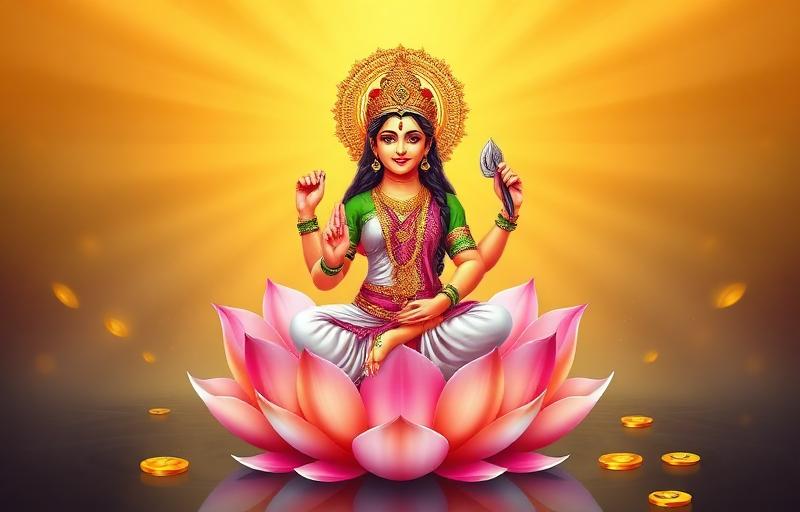
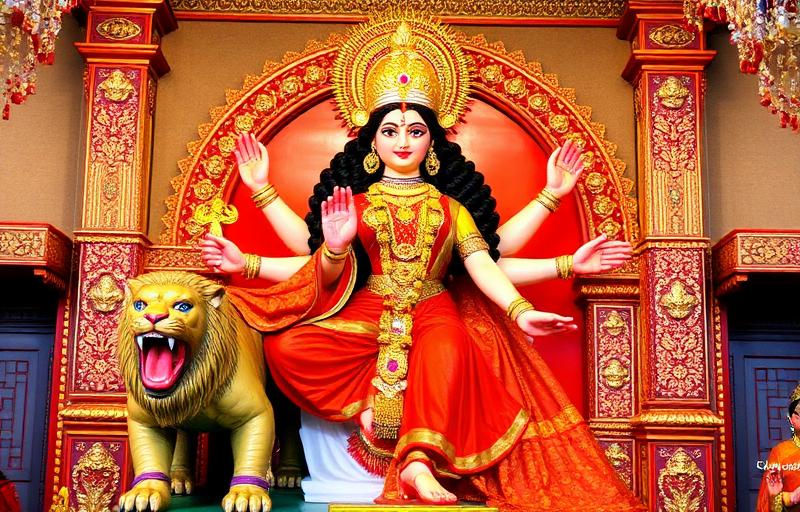
In the village of Tulmulla, about twenty-five kilometres from Srinagar, stands one of Kashmir's most cherished Devi shrines: the Kheer Bhawani temple. The goddess here is worshipped as Ragnya Devi, a form of Adi Shakti, and the shrine is built around a natural spring whose waters are considered sacred by devotees.
What makes this temple distinct is that the true focus of worship is not a carved idol but the spring itself, over which a small marble temple has been built. Devotees circle the spring, offer prayers at its edge, and believe the goddess resides in its waters as much as in any image.
The Legend of Kheer Bhawani
According to tradition, this form of the goddess was once worshipped by Ravana in Lanka. When Ravana's conduct displeased her, it is said that on Lord Rama's request, Hanuman brought the deity from Lanka and installed her in Kashmir, where she chose to reside in this spring at Tulmulla.
Devotees also believe the spring's water changes colour before events of significance, sometimes appearing milky white, sometimes tinged with other shades. As per tradition, a clear, bright spring is taken as an auspicious sign, while darker waters are read as a caution to be more devoted in prayer. Vandnaa shares this as a matter of long-held faith, not as prediction.
Significance and What Devotees Pray For
Kheer Bhawani takes her name from the kheer (a sweet rice pudding) that devotees offer by pouring it directly into the spring, a unique custom rarely seen elsewhere. This offering is considered an act of surrender and gratitude to the mother goddess.
Devotees, especially the Kashmiri Pandit community for whom this is a supreme deity, visit seeking family well-being, protection from hardship and inner peace. The temple holds deep emotional significance as a symbol of Kashmiri Hindu identity and continuity of faith through difficult times.
Darshan Guide: Timings and the Jyeshtha Ashtami Mela

The temple follows the general pattern of Kashmiri Devi shrines, opening early in the morning for darshan and again in the evening for aarti. The most significant day at Kheer Bhawani is Jyeshtha Ashtami, usually falling in the month of May-June, when thousands gather for a grand mela and the spring is said to draw special attention to its colour.
Devotees are advised to check local timings before travelling, as temple hours can shift with season and festival calendars.
How to Reach Kheer Bhawani
Tulmulla lies in Ganderbal district, a short drive from Srinagar, which is well connected by air and road to the rest of the country. Srinagar's airport and railway station serve as the nearest major transport hubs, from which local taxis and buses ply to the temple.
Many pilgrims combine this visit with darshan at other Srinagar shrines, making it part of a wider Kashmir pilgrimage circuit.
Mantra to Chant and Takeaway
Devotees at Kheer Bhawani often chant the simple invocation Om Ragnya Devyai Namah (salutations to Mother Ragnya), along with general Devi mantras such as Om Aim Hreem Kleem Chamundaye Namah.
The story of Kheer Bhawani reminds devotees that faith often finds its home in the simplest of elements, a spring of water, and that true worship is an act of faith and love, not a transaction.
Reader Questions Answered
Why is the temple called Kheer Bhawani?+
The temple is named after the kheer (sweet rice pudding) that devotees offer directly into the sacred spring, a unique custom associated with this shrine.
When is the best time to visit Kheer Bhawani?+
Many devotees prefer visiting during Jyeshtha Ashtami, usually in May-June, when a large mela is held, though the temple welcomes devotees through the year.
Is Kheer Bhawani connected to Kashmiri Pandit tradition?+
Yes, Ragnya Devi at Kheer Bhawani is considered a supreme deity by the Kashmiri Pandit community and holds deep significance in their faith and identity.
About the author
Pandit Ravindra Sharma · Vedic Rituals & Bhakti, 22+ years
Pandit Ravindra is the Vandnaa editorial team's resident specialist on aarti, chalisa, and daily devotion. He has performed home and temple pujas across Varanasi and Delhi for over two decades and contributes the bhakti-focused articles on this site.
Meet the Vandnaa editorial team →