The Katha of Makhan Chori
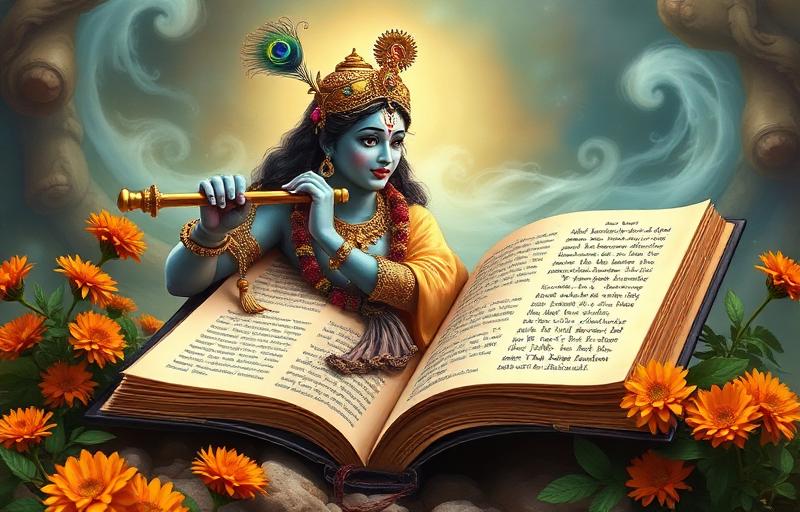
In Gokul, young Krishna grew up in the loving home of Nanda Baba and Mother Yashoda, surrounded by gopas and gopis who adored him. As a small boy, Krishna developed a fondness for makhan (fresh butter) and dahi (curd) that the gopis churned and stored carefully in high hanging pots, out of reach of children.
According to tradition, Krishna would gather his friends, form little human pyramids to reach the matkis (pots), and steal the butter, often sharing it happily with his companions and even the monkeys of Gokul. When the gopis complained to Yashoda about her son's mischief, she would scold him gently, sometimes even tying him to a grinding mortar (ulukhal) with a rope, an episode devotees know as Damodar Leela.
Yet no punishment ever dimmed his smile. Krishna's makhan chori became one of the most retold, most loved parts of his childhood, painted, sung and enacted across generations of devotees.
Scriptural Context
The makhan chori leelas are described with great tenderness in the Bhagavata Purana's Dashama Skandha (Tenth Canto), which devotes many verses to Krishna's Gokul childhood. The Vishnu Purana and Harivamsha also touch upon this period of his life.
Over centuries, poet-saints like Surdas gave these episodes their most beloved poetic form. Surdas's padas describing Yashoda's complaints and Krishna's innocent denials remain part of devotional singing even today, especially in Braj bhakti traditions centered on Vrindavan and Mathura.
The Symbolic and Spiritual Meaning
Devotees believe makhan chori is never really about butter. In devotional thought, navaneet (freshly churned butter) represents the innermost, softest part of the heart, that which forms only after patient churning, like devotion formed through patient sadhana.
Krishna, as the Supreme, is understood to be stealing not matter but hearts, the love and surrender of his devotees. His mischief symbolizes how divine grace enters life unannounced and joyfully, without asking permission, the same way love enters a devotee's heart.
What It Teaches Devotees
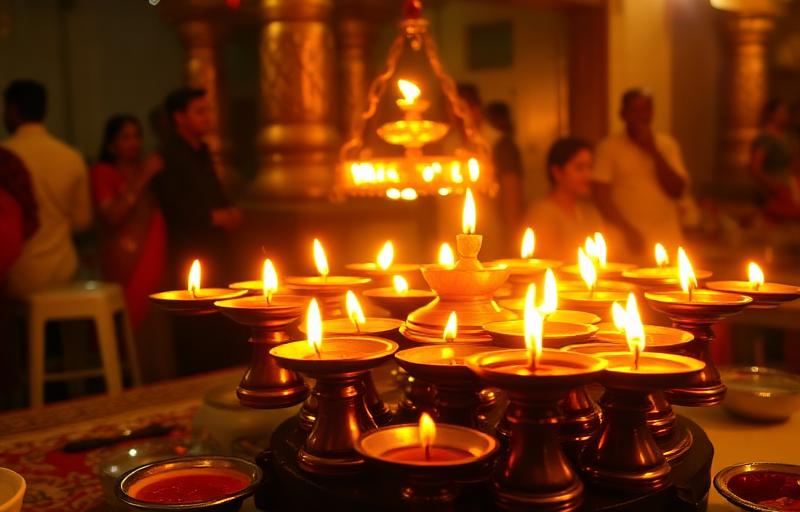
- That devotion can be joyful and playful, not only solemn - Krishna's leela shows bhakti wearing the face of a smiling child.
- That love given freely, as Krishna shared stolen butter with friends, multiplies rather than diminishes.
- That even mischief done in innocence and love is forgiven, as Yashoda's scolding always melted into an embrace.
- That the divine delights in simplicity, in a humble home in Gokul, more than in grandeur.
How It Is Remembered Today
Every Janmashtami, the memory of makhan chori comes alive through Dahi Handi celebrations, especially in Maharashtra and Gujarat, where young men form human pyramids to break pots of curd hung high above the streets, echoing Krishna's own antics.
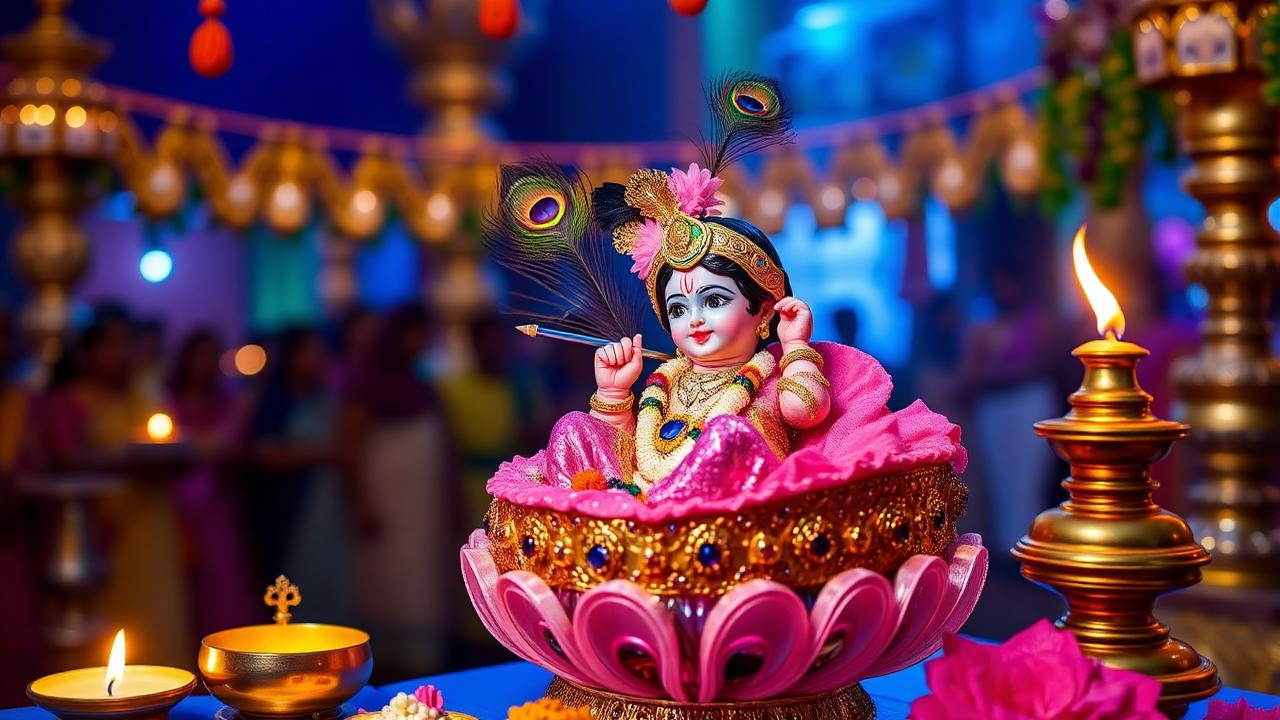
Temples across India offer makhan-mishri (butter and sugar candy) as bhog to Bal Gopal idols, and countless bhajans, from Surdas's padas to modern devotional songs, continue to retell this leela with the same tenderness as centuries ago.
The Takeaway
Makhan chori reminds devotees that the divine is not distant or unreachable, but close enough to steal butter from a kitchen and love from a heart. Faith, at its sweetest, looks like a smiling child with butter on his fingers, and worship is an act of love, not a transaction.
Frequently Asked Questions
Why did Krishna steal butter in Gokul?+
Tradition holds that Krishna's fondness for butter was part of his childhood leela in Gokul. Devotionally, it is understood as a symbol of him stealing the hearts and devotion of his devotees, not merely food.
What is Damodar Leela?+
Damodar Leela refers to the episode where Mother Yashoda tied young Krishna's waist to a grinding mortar with a rope as a gentle punishment for his mischief, an event devotees remember with great affection.
How is makhan chori celebrated today?+
It is most visibly celebrated through Dahi Handi during Janmashtami, where human pyramids break high-hung curd pots, and through offerings of makhan-mishri to Krishna in temples and homes.
About the author
Pandit Mahesh Trivedi · Festival Traditions & Panchang
Pandit Mahesh leads the festival-date and Panchang content on Vandnaa. He cross-references multiple regional panchangs (Drik, Vaishnava, Bengali, Marathi) for every festival date published on the site.
Meet the Vandnaa editorial team →