The Katha of Lifting Govardhan
According to tradition, the people of Gokul once prepared a grand annual offering to Indra, the god of rain and storms, seeking his favour for good rains. Young Krishna questioned this practice, telling the villagers, led by his father Nanda, that it was Govardhan hill itself, along with their own effort and Krishna's grace, that truly sustained their lives and cattle, not Indra alone.
Persuaded by Krishna, the Gokul-vasis offered the feast to Govardhan hill instead. Indra, feeling insulted, unleashed a terrifying storm upon Gokul, sending relentless rain to flood the land and punish its people.
As the villagers panicked, Krishna lifted the entire Govardhan hill upon the little finger of his left hand, holding it aloft like an umbrella for seven days and nights, sheltering every person, child and animal of Gokul beneath it until Indra, recognising Krishna's divinity, relented and asked forgiveness.
Scriptural Context
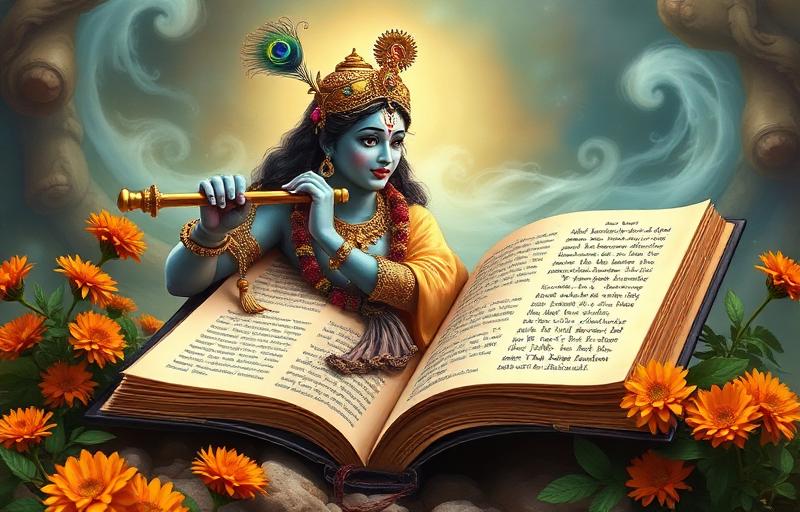
This leela is described in detail in the Bhagavata Purana's Dashama Skandha and also finds mention in the Vishnu Purana and Harivamsha, texts that lovingly document Krishna's Vrindavan years.
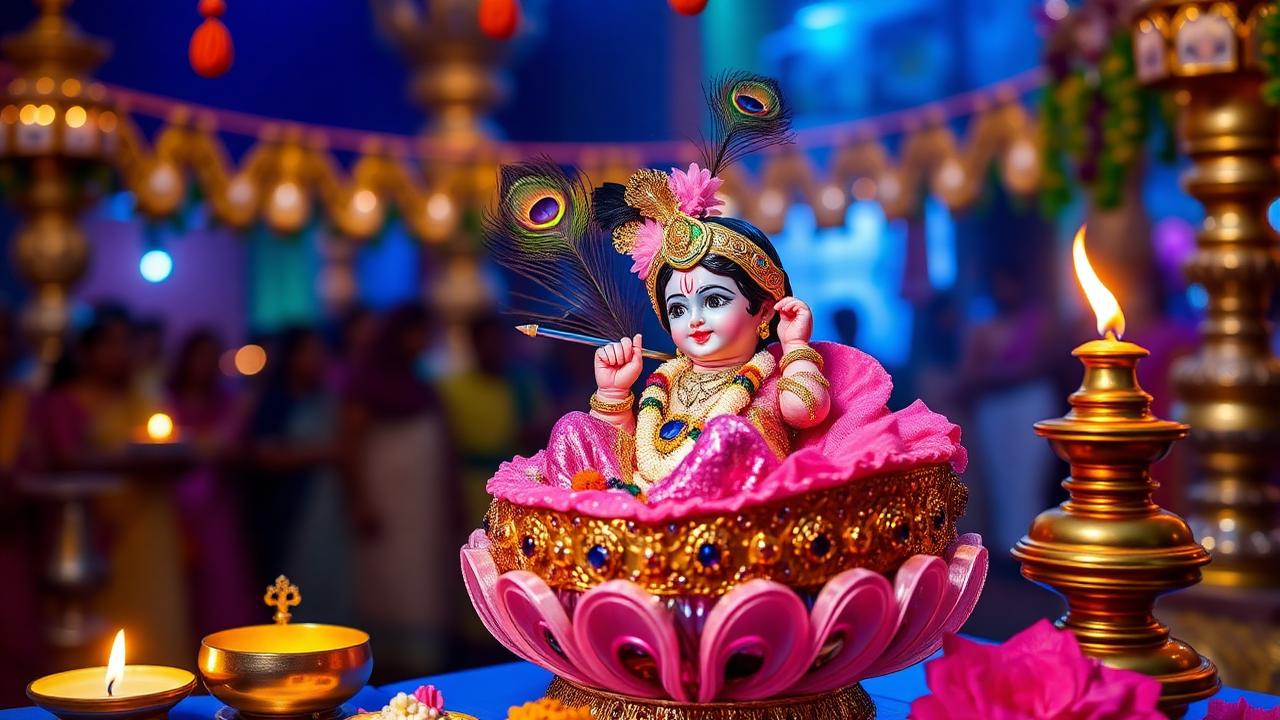
The episode is also foundational to the Annakut and Govardhan Puja traditions observed the day after Diwali, when devotees, especially in North India, build mounds of food resembling the hill as an offering of gratitude.
The Symbolic and Spiritual Meaning
Devotees see deep meaning in Krishna holding up an entire mountain on his smallest finger, it shows that true strength lies not in visible might but in quiet, humble capability. Krishna, appearing as an ordinary cowherd boy, carries what even the king of gods could not overpower.
The episode also symbolizes a shift from ritual dependence on distant powers toward gratitude for the earth, nature and one's own community, Govardhan hill representing the land that directly sustains life.
What It Teaches Devotees

- That true protection comes from humility joined with strength, Krishna lifts the hill not to boast but to shelter every last villager and animal.
- That gratitude belongs to the earth and community that sustain daily life, not only to distant powers.
- That faith placed in the divine holds steady even under the fiercest storm, seven days of unrelenting rain could not shake Krishna's support.
- That even the smallest finger, symbolic of the humblest effort, can carry the greatest burden when moved by love.
How It Is Remembered Today
Govardhan Puja, celebrated the day after Diwali across North India, keeps this leela alive every year, with families and temples building small hills of food, sweets and rice as Annakut offerings to Krishna in gratitude.
Pilgrims to Vrindavan and Mathura often perform parikrama (circumambulation) of Govardhan hill itself, a barefoot walk of devotion around the hill Krishna once lifted, considered a deeply meritorious act of faith.
The Takeaway
The Govardhan leela reminds devotees that faith can shelter an entire community when it is rooted in humility, not pride. Even today, the small hill of Annakut on a devotee's altar carries the same message the mountain once did, that gratitude and quiet strength together can weather any storm.
Common Questions From Devotees
Why did Krishna lift Govardhan hill?+
According to tradition, Krishna lifted Govardhan hill to shelter the people and animals of Gokul from a fierce storm sent by Indra, who was upset that the villagers had stopped offering worship to him at Krishna's suggestion.
How long did Krishna hold up Govardhan hill?+
Tradition says Krishna held the hill aloft on his little finger for seven days and nights, sheltering the entire village until Indra's storm subsided and he sought forgiveness.
What is Govardhan Puja and how is it connected to this katha?+
Govardhan Puja is observed the day after Diwali, when devotees build an Annakut, a hill-shaped offering of food, in gratitude to Krishna and Govardhan hill, directly commemorating this katha.
About the author
Pandit Mahesh Trivedi · Festival Traditions & Panchang
Pandit Mahesh leads the festival-date and Panchang content on Vandnaa. He cross-references multiple regional panchangs (Drik, Vaishnava, Bengali, Marathi) for every festival date published on the site.
Meet the Vandnaa editorial team →