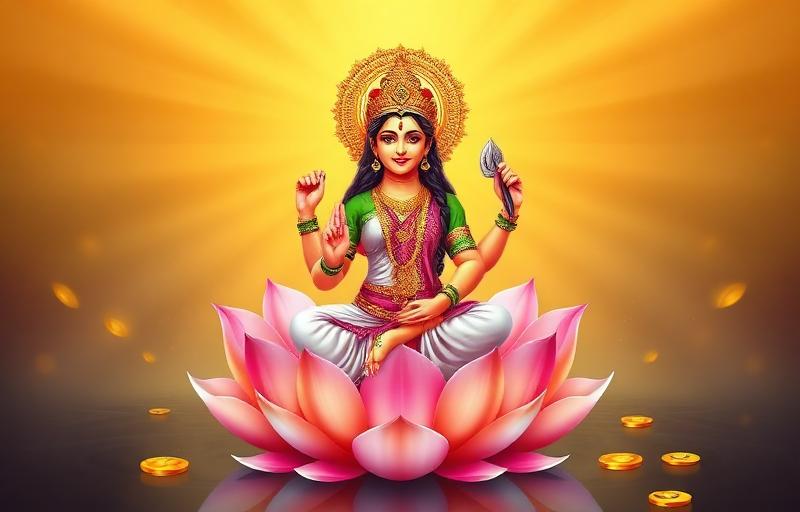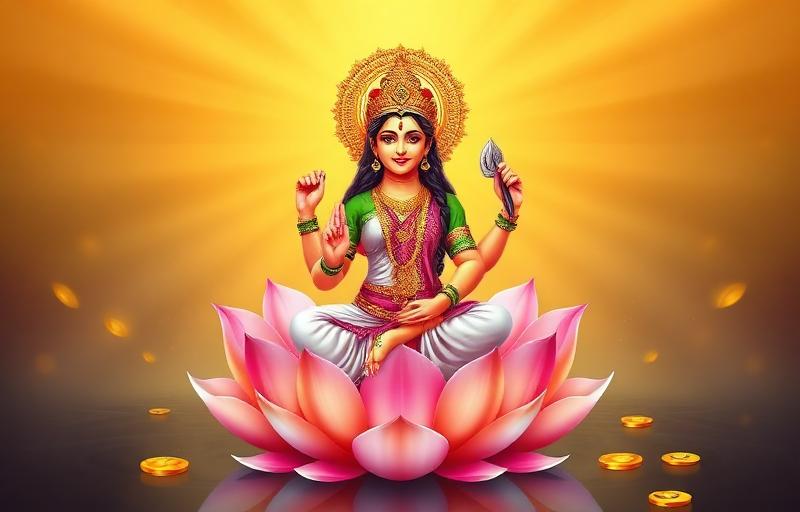
What Is the Lakshmi Ashtottara Shatanamavali
The Lakshmi Ashtottara Shatanamavali is a sacred garland of 108 names of Maa Lakshmi, the goddess of wealth, beauty, grace and abundance, and the eternal consort of Lord Vishnu. Each name is chanted as Om followed by the name and Namah - for example, Om Padmayai Namah. The namavali describes her as the lotus-born daughter of the milk ocean, the mother who destroys poverty, and the radiance that fills every prosperous and loving home. Reciting these 108 names is one of the simplest forms of Lakshmi upasana - it needs no elaborate puja, only a lamp, a flower and a devoted heart. The names below follow the widely recited traditional list; minor regional variations exist, and the mother accepts them all equally.
Names 1-36: Mother of Faith and Abundance
The first group praises Lakshmi as primordial nature, as faith and knowledge, and as the golden mother born of the milk ocean:
1. Prakriti (प्रकृति) - primordial nature. 2. Vikriti (विकृति) - the manifold creation. 3. Vidya (विद्या) - sacred knowledge. 4. Sarvabhutahitaprada (सर्वभूतहितप्रदा) - who grants the good of all beings. 5. Shraddha (श्रद्धा) - faith. 6. Vibhuti (विभूति) - glory and prosperity. 7. Surabhi (सुरभि) - the celestial one. 8. Paramatmika (परमात्मिका) - the all-pervading supreme. 9. Vachi (वाची) - divine speech. 10. Padmalaya (पद्मालया) - who dwells in the lotus. 11. Padma (पद्मा) - the lotus herself. 12. Shuchi (शुचि) - purity. 13. Swaha (स्वाहा) - the sacred call of the yajna. 14. Swadha (स्वधा) - the offering to the ancestors. 15. Sudha (सुधा) - nectar. 16. Dhanya (धन्या) - the blessed one, the grain that feeds. 17. Hiranmayi (हिरण्मयी) - the golden one. 18. Lakshmi (लक्ष्मी) - fortune herself. 19. Nityapushta (नित्यपुष्टा) - ever nourished and nourishing. 20. Vibhavari (विभावरी) - radiant as the starlit night. 21. Aditi (अदिति) - mother of the devas. 22. Diti (दिति) - the boundless mother. 23. Dipta (दीप्ता) - the flaming one. 24. Vasudha (वसुधा) - the earth. 25. Vasudharini (वसुधारिणी) - bearer of the earth. 26. Kamala (कमला) - the lotus-born. 27. Kanta (कांता) - the beloved. 28. Kamakshi (कामाक्षी) - of lovely eyes. 29. Kshirodasambhava (क्षीरोदसम्भवा) - born of the ocean of milk. 30. Anugrahaprada (अनुग्रहप्रदा) - the giver of grace. 31. Buddhi (बुद्धि) - intellect. 32. Anagha (अनघा) - the sinless. 33. Harivallabhi (हरिवल्लभी) - the beloved of Hari. 34. Ashoka (अशोका) - the dispeller of sorrow. 35. Amrita (अमृता) - immortal nectar. 36. Deepa (दीपा) - the lamp of light.
Names 37-72: The Lotus Goddess of Grace
The second group is the heart of the namavali - the lotus names of the goddess, her moonlike beauty and her motherly compassion that destroys poverty:
37. Lokashokavinashini (लोकशोकविनाशिनी) - destroyer of the world's sorrow. 38. Dharmanilaya (धर्मनिलया) - the abode of dharma. 39. Karuna (करुणा) - compassion herself. 40. Lokamata (लोकमाता) - mother of the worlds. 41. Padmapriya (पद्मप्रिया) - lover of the lotus. 42. Padmahasta (पद्महस्ता) - holding lotuses in her hands. 43. Padmakshi (पद्माक्षी) - lotus-eyed. 44. Padmasundari (पद्मसुंदरी) - beautiful as the lotus. 45. Padmodbhava (पद्मोद्भवा) - arisen from the lotus. 46. Padmamukhi (पद्ममुखी) - lotus-faced. 47. Padmanabhapriya (पद्मनाभप्रिया) - beloved of Padmanabha (Vishnu). 48. Rama (रमा) - who delights the lord. 49. Padmamaladhara (पद्ममालाधरा) - wearing a garland of lotuses. 50. Devi (देवी) - the goddess. 51. Padmini (पद्मिनी) - the lady of lotuses. 52. Padmagandhini (पद्मगंधिनी) - fragrant as the lotus. 53. Punyagandha (पुण्यगंधा) - of sacred fragrance. 54. Suprasanna (सुप्रसन्ना) - ever gracious. 55. Prasadabhimukhi (प्रसादाभिमुखी) - always inclined to bless. 56. Prabha (प्रभा) - radiance. 57. Chandravadana (चंद्रवदना) - moon-faced. 58. Chandra (चंद्रा) - lustrous as the moon. 59. Chandrasahodari (चंद्रसहोदरी) - sister of the moon, both born of the milk ocean. 60. Chaturbhuja (चतुर्भुजा) - the four-armed. 61. Chandrarupa (चंद्ररूपा) - of moonlike form. 62. Indira (इंदिरा) - the beautiful. 63. Indusheetala (इंदुशीतला) - cool and soothing as the moon. 64. Ahladajanani (आह्लादजननी) - mother of joy. 65. Pushti (पुष्टि) - nourishment. 66. Shiva (शिवा) - the auspicious. 67. Shivakari (शिवकरी) - doer of good. 68. Satya (सत्या) - truth. 69. Vimala (विमला) - the stainless. 70. Vishwajanani (विश्वजननी) - mother of the universe. 71. Tushti (तुष्टि) - contentment. 72. Daridryanashini (दारिद्र्यनाशिनी) - the destroyer of poverty.
Names 73-108: Varalakshmi and the Universal Mother
The final group includes the names worshipped in the Varalakshmi vrat and reveals the goddess as the daughter of the ocean, resident of Vishnu's heart and sovereign of all worlds:
73. Pritipushkarini (प्रीतिपुष्करिणी) - the pond of love. 74. Shanta (शांता) - the peaceful. 75. Shuklamalyambara (शुक्लमाल्यांबरा) - wearing white garlands and garments. 76. Shri (श्री) - sacred prosperity itself. 77. Bhaskari (भास्करी) - radiant as the sun. 78. Bilvanilaya (बिल्वनिलया) - dwelling in the bilva tree. 79. Vararoha (वरारोहा) - the noble granter of boons. 80. Yashasvini (यशस्विनी) - the renowned. 81. Vasundhara (वसुंधरा) - the earth, bearer of treasure. 82. Udaranga (उदारांगा) - of generous form. 83. Harini (हरिणी) - graceful as a doe. 84. Hemamalini (हेममालिनी) - wearing a golden garland. 85. Dhanadhanyaki (धनधान्यकी) - giver of wealth and grain. 86. Siddhi (सिद्धि) - accomplishment. 87. Strainasaumya (स्त्रैणसौम्या) - the gentle grace of womanhood. 88. Shubhaprada (शुभप्रदा) - giver of auspiciousness. 89. Nripaveshmagatananda (नृपवेश्मगतानंदा) - the joy that dwells in noble homes. 90. Varalakshmi (वरलक्ष्मी) - the boon-granting Lakshmi of the Varalakshmi vrat. 91. Vasuprada (वसुप्रदा) - bestower of wealth. 92. Shubha (शुभा) - the auspicious. 93. Kalyani (कल्याणी) - the beneficent. 94. Hiranyaprakara (हिरण्यप्राकारा) - enthroned within golden walls. 95. Samudratanaya (समुद्रतनया) - daughter of the ocean. 96. Jaya (जया) - victory. 97. Mangala (मंगला) - the auspicious blessing. 98. Vishnuvakshasthalasthita (विष्णुवक्षस्थलस्थिता) - residing on Vishnu's chest. 99. Vishnupatni (विष्णुपत्नी) - the consort of Vishnu. 100. Prasannakshi (प्रसन्नाक्षी) - of gracious eyes. 101. Narayanasamashrita (नारायणसमाश्रिता) - sheltered in Narayana. 102. Daridryadhwansini (दारिद्र्यध्वंसिनी) - who shatters poverty. 103. Sarvopadravavarini (सर्वोपद्रववारिणी) - who wards off all troubles. 104. Navadurga (नवदुर्गा) - the nine Durgas in one. 105. Mahakali (महाकाली) - the great Kali. 106. Brahmavishnushivatmika (ब्रह्मविष्णुशिवात्मिका) - the essence of Brahma, Vishnu and Shiva. 107. Trikalagyanasampanna (त्रिकालज्ञानसंपन्ना) - knower of past, present and future. 108. Bhuvaneshwari (भुवनेश्वरी) - the sovereign of all worlds.
Japa Vidhi: Fridays, Diwali and Varalakshmi Vrat
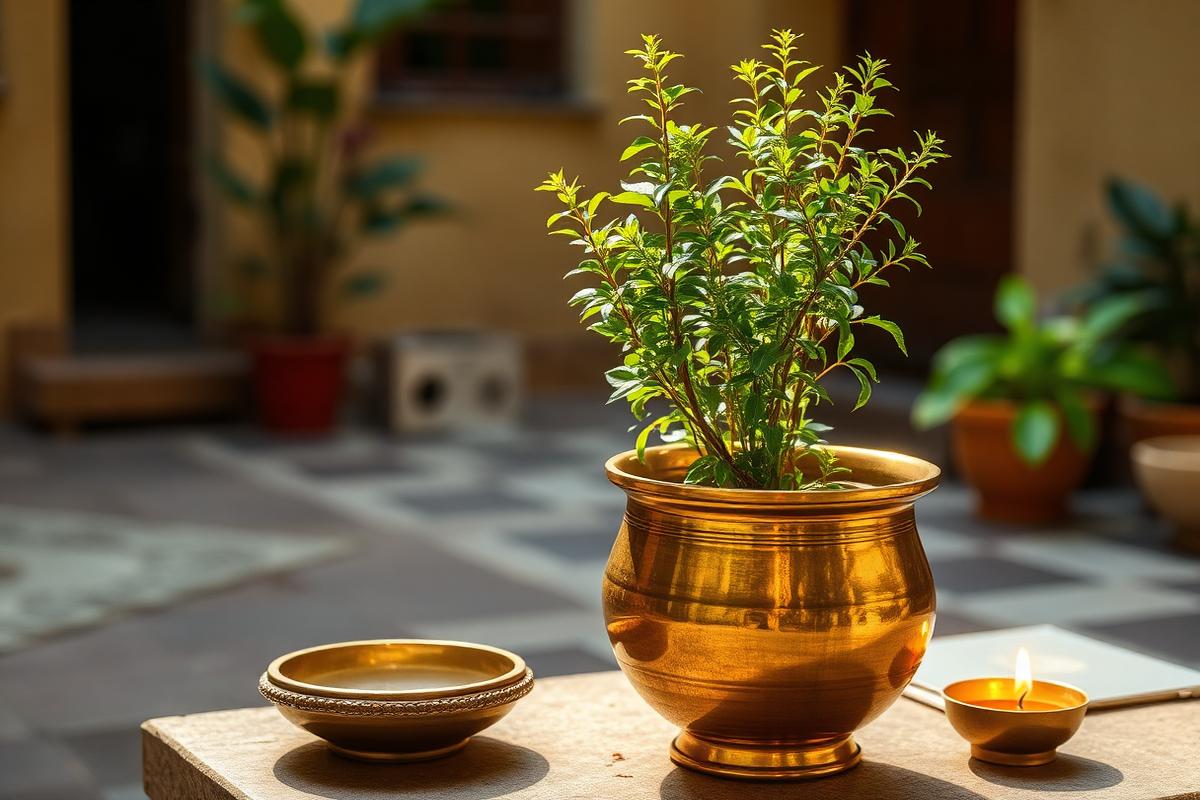
1. Friday is Maa Lakshmi's day - the most auspicious for weekly japa. The biggest occasions are Diwali night (Lakshmi Puja on Amavasya) and the Varalakshmi vrat observed on the Friday before Shravan Purnima, especially in South India. 2. Clean the puja space - Lakshmi is drawn to cleanliness. Bathe and wear fresh, preferably red or pink, clothes. 3. Light a ghee lamp, offer lotus or red flowers, rice, and a sweet such as kheer. 4. Use a kamal gatta (lotus seed) mala or a sphatik mala of 108 beads. Begin with Om Shreem Mahalakshmyai Namah three times. 5. Recite each of the 108 names as Om ... Namah, one bead per name. 6. On Diwali, recite the namavali during the Lakshmi Puja muhurat after lighting the diyas; on Varalakshmi vrat, recite it after tying the sacred thread. 7. Close by offering the japa at the mother's feet and sharing the prasad. Chant with gratitude, not greed - Lakshmi stays where contentment lives.
Benefits of Reciting Lakshmi's 108 Names
The Lakshmi Ashtottara is recited for prosperity, abundance and grace - but the namavali itself teaches that Lakshmi is far more than money. Her names include Vidya (knowledge), Shraddha (faith), Pushti (nourishment), Tushti (contentment) and Karuna (compassion) - the eight forms of wealth that make a home truly rich. Regular recitation is believed to remove financial obstacles and debt, bring stability in business and career, fill the home with harmony, and as Daridryanashini she destroys both outer poverty and the inner poverty of fear and lack. Devotees find that Friday japa, kept steadily, slowly transforms anxiety about money into trust in the mother's care.
How to Make Lakshmi Stay: The Devotional Secret

Tradition says Lakshmi is chanchala - restless - yet she becomes sthira (steady) in homes that honour her quietly. She stays where there is cleanliness, where food and wealth are never wasted, where elders and women are respected, and where a lamp is lit each evening. Above all, she never leaves the side of Narayana - so devotees who chant Vishnu's names along with hers invite the divine couple together. Generosity is her favourite offering: a portion shared with the needy multiplies, never diminishes, the mother's blessing.
What People Ask Most
What is the Lakshmi Ashtottara Shatanamavali?+
It is the traditional list of 108 sacred names of Maa Lakshmi, each chanted as Om followed by the name and Namah. It praises her as the goddess of wealth, grace, knowledge and contentment, and takes about 15 to 20 minutes to recite.
Which day is best for Lakshmi naam jaap?+
Friday is Maa Lakshmi's day and ideal for weekly japa. Diwali night during Lakshmi Puja and the Varalakshmi vrat Friday before Shravan Purnima are the most powerful occasions of the year.
Which mala is used for Lakshmi japa?+
A kamal gatta (lotus seed) mala of 108 beads is most traditional, as the lotus is dearest to Lakshmi. A sphatik (crystal) mala is also used. If neither is available, counting on the fingers with devotion works perfectly.
Can I chant the 108 names of Lakshmi daily?+
Yes. Daily recitation, especially in the morning or at lamp-lighting time in the evening, is highly beneficial. There are no restrictions; anyone may chant the names on any day with a clean body and a sincere heart.
Is the Lakshmi Ashtottara recited during Varalakshmi vrat?+
Yes. The Ashtottara is a central part of Varalakshmi puja, recited after tying the sacred thread (doraka). The name Varalakshmi, the boon-granting form of the goddess, appears within the 108 names themselves.
Does chanting Lakshmi's names only bring money?+
No. The namavali includes Vidya (knowledge), Shraddha (faith), Pushti (nourishment), Tushti (contentment) and Karuna (compassion). Lakshmi's blessing is complete well-being - material stability along with inner peace and harmony at home.
About the author
Acharya Vinaya Kapoor · M.A. Sanskrit, Mantra & Stotra Studies
Acharya Vinaya holds an M.A. in Sanskrit from Banaras Hindu University and writes the mantra and stotra commentary on Vandnaa. Her focus is on accurate pronunciation, traditional context, and helping modern readers connect with classical texts.
Meet the Vandnaa editorial team →