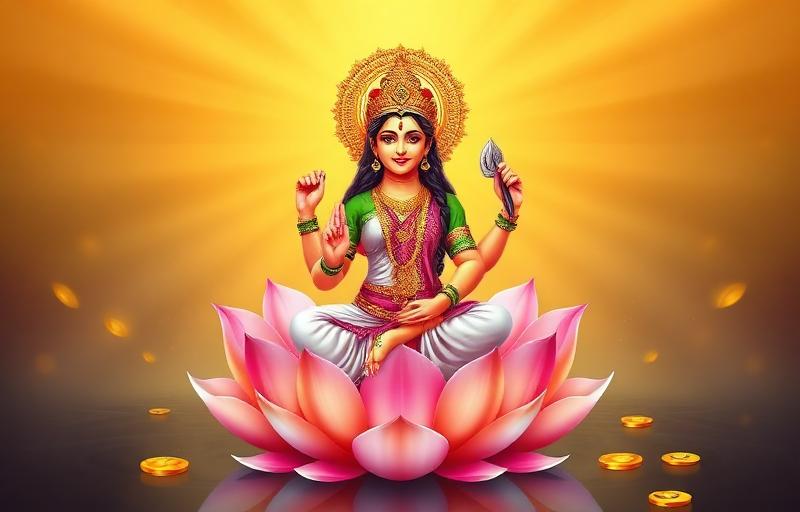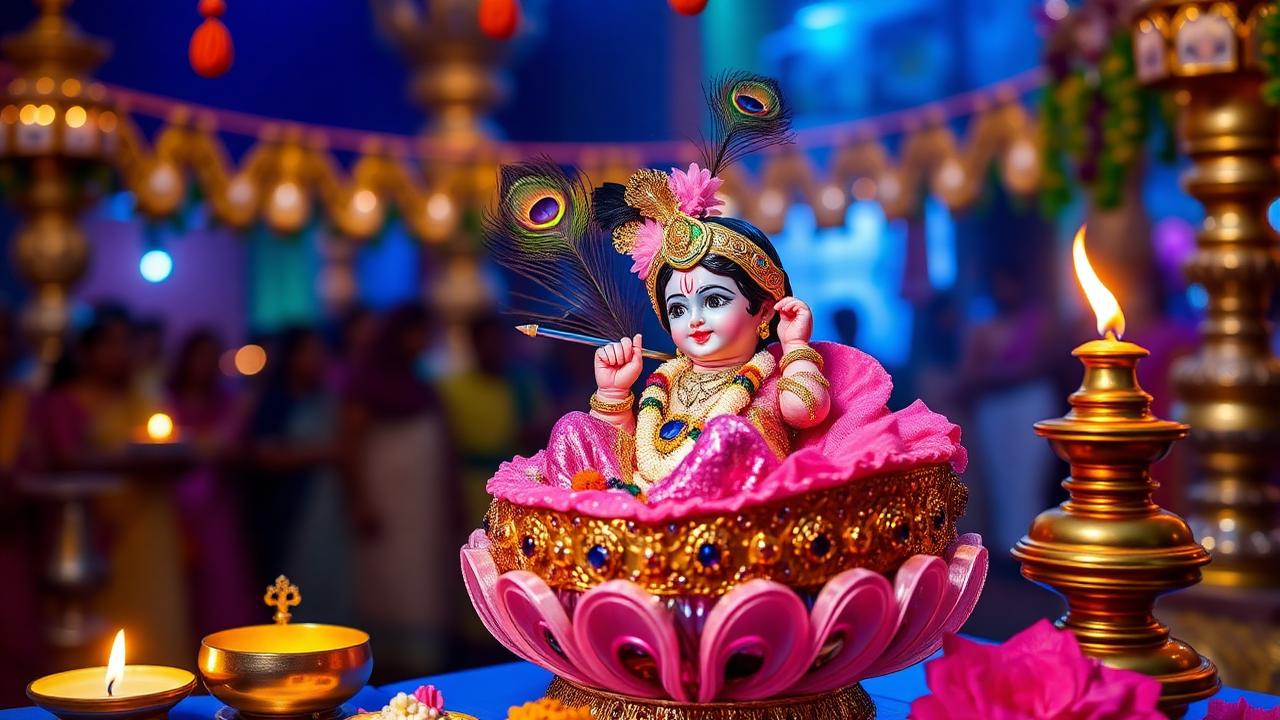
What Is the Vishnu Ashtottara Shatanamavali
The Vishnu Ashtottara Shatanamavali is a sacred garland of 108 names of Lord Vishnu, the preserver and sustainer of the universe. Each name is chanted as Om followed by the name and Namah - for example, Om Vishnave Namah. It is important to know that this is not the same as the Vishnu Sahasranama, the celebrated hymn of 1000 names from the Mahabharata. The Ashtottara is a shorter namavali of 108 names that can be completed in 15 to 20 minutes, making it ideal for daily worship, Ekadashi vrat and Thursday puja. If you wish to go deeper, you can read our separate guide to the Vishnu Sahasranama on Vandnaa. The 108 names below follow the popular tradition of recitation; small regional variations exist, and all are equally pleasing to the lord when chanted with love.
Names 1-36: The Beloved Forms of Hari
The first group holds the most beloved names of the lord - the 24 classical Keshava names among them - each one a doorway into his leela:
1. Vishnu (विष्णु) - the all-pervading one. 2. Narayana (नारायण) - the refuge of all beings. 3. Krishna (कृष्ण) - the all-attractive dark lord. 4. Keshava (केशव) - of beautiful locks, slayer of Keshi. 5. Madhava (माधव) - the lord of Lakshmi. 6. Govinda (गोविंद) - protector of cows and the senses. 7. Madhusudana (मधुसूदन) - slayer of the demon Madhu. 8. Trivikrama (त्रिविक्रम) - who measured the three worlds in three strides. 9. Vamana (वामन) - the dwarf avatar. 10. Shridhara (श्रीधर) - bearer of Shri. 11. Hrishikesha (हृषीकेश) - master of the senses. 12. Padmanabha (पद्मनाभ) - from whose lotus navel creation arose. 13. Damodara (दामोदर) - bound by a rope of love. 14. Sankarshana (संकर्षण) - who draws all beings to himself. 15. Vasudeva (वासुदेव) - the indwelling lord. 16. Pradyumna (प्रद्युम्न) - the supremely radiant. 17. Aniruddha (अनिरुद्ध) - the unobstructed. 18. Purushottama (पुरुषोत्तम) - the supreme person. 19. Adhokshaja (अधोक्षज) - beyond sense perception. 20. Narasimha (नृसिंह) - the man-lion protector of Prahlad. 21. Achyuta (अच्युत) - the infallible who never abandons his devotee. 22. Janardana (जनार्दन) - protector of people. 23. Upendra (उपेन्द्र) - the younger brother of Indra. 24. Hari (हरि) - the remover of sins and sorrow. 25. Ananta (अनंत) - the endless. 26. Mukunda (मुकुंद) - the giver of liberation. 27. Garudadhvaja (गरुड़ध्वज) - whose banner bears Garuda. 28. Pitambara (पीतांबर) - clad in yellow silk. 29. Chakrapani (चक्रपाणि) - holder of the Sudarshana chakra. 30. Shankhadhara (शंखधर) - bearer of the Panchajanya conch. 31. Gadadhara (गदाधर) - bearer of the mace Kaumodaki. 32. Sharngi (शार्ङ्गी) - wielder of the Sharnga bow. 33. Lakshmipati (लक्ष्मीपति) - consort of Maa Lakshmi. 34. Vaikunthanatha (वैकुंठनाथ) - lord of Vaikuntha. 35. Jagannatha (जगन्नाथ) - lord of the universe. 36. Sheshashayi (शेषशायी) - who reclines on the serpent Shesha.
Names 37-72: Avatars and Lord of All
The second group remembers Vishnu through his avatars - Matsya to Kalki - and as the supreme lord of truth, sacrifice and compassion:
37. Kshirabdhishayi (क्षीराब्धिशायी) - who reclines on the ocean of milk. 38. Yogeshwara (योगेश्वर) - the lord of yoga. 39. Devakinandana (देवकीनंदन) - the joy of Devaki. 40. Matsya (मत्स्य) - the fish avatar who saved the Vedas. 41. Kurma (कूर्म) - the tortoise who upheld Mount Mandara. 42. Varaha (वराह) - the boar who lifted the earth. 43. Rama (राम) - the avatar of dharma. 44. Kalki (कल्कि) - the avatar yet to come. 45. Hayagriva (हयग्रीव) - the horse-headed lord of wisdom. 46. Dhanvantari (धन्वंतरि) - the divine physician. 47. Mohana (मोहन) - the enchanting one. 48. Vishvarupa (विश्वरूप) - of universal form. 49. Vishvambhara (विश्वंभर) - sustainer of the universe. 50. Vitthala (विट्ठल) - the lord of Pandharpur. 51. Venkatesha (वेंकटेश) - the lord of the seven hills. 52. Srinivasa (श्रीनिवास) - the abode of Shri. 53. Dinabandhu (दीनबंधु) - friend of the helpless. 54. Dinanatha (दीनानाथ) - lord of the lowly. 55. Bhaktavatsala (भक्तवत्सल) - tender towards his devotees. 56. Karunasagara (करुणासागर) - the ocean of compassion. 57. Satyanarayana (सत्यनारायण) - the lord of truth worshipped in every home. 58. Satyavrata (सत्यव्रत) - vowed to truth. 59. Sarvavyapi (सर्वव्यापी) - present everywhere. 60. Sarveshwara (सर्वेश्वर) - lord of all. 61. Parameshwara (परमेश्वर) - the supreme lord. 62. Paramatma (परमात्मा) - the supreme self. 63. Parabrahma (परब्रह्म) - the supreme absolute. 64. Adideva (आदिदेव) - the first deity. 65. Devadeva (देवदेव) - god of gods. 66. Devesha (देवेश) - lord of the devas. 67. Jishnu (जिष्णु) - ever victorious. 68. Vijaya (विजय) - victory itself. 69. Vashatkara (वषट्कार) - invoked in the yajna. 70. Yajna (यज्ञ) - sacrifice itself. 71. Yajnapati (यज्ञपति) - lord of sacrifice. 72. Vedavid (वेदवित्) - the knower of the Vedas.
Names 73-108: The Eternal Protector
The final group praises the eternal, imperishable nature of Narayana and his beloved adornments - the Shrivatsa mark, the Kaustubha gem, the vanamala and the tulsi he loves:
73. Lokadhyaksha (लोकाध्यक्ष) - overseer of the worlds. 74. Lokanatha (लोकनाथ) - lord of the worlds. 75. Trilokesha (त्रिलोकेश) - lord of the three worlds. 76. Bhutabhavana (भूतभावन) - the well-wisher of all beings. 77. Bhutatma (भूतात्मा) - the soul of all beings. 78. Pranada (प्राणद) - the giver of life. 79. Prabhu (प्रभु) - the master. 80. Ishvara (ईश्वर) - the sovereign lord. 81. Svayambhu (स्वयंभू) - the self-manifest. 82. Aja (अज) - the unborn. 83. Avyaya (अव्यय) - the imperishable. 84. Akshara (अक्षर) - the indestructible. 85. Sanatana (सनातन) - the eternal. 86. Puranapurusha (पुराणपुरुष) - the ancient person. 87. Shashvata (शाश्वत) - the everlasting. 88. Dhruva (ध्रुव) - the unmoving. 89. Amaraprabhu (अमरप्रभु) - lord of the immortals. 90. Pundarikaksha (पुंडरीकाक्ष) - the lotus-eyed. 91. Achintya (अचिंत्य) - beyond thought. 92. Aprameya (अप्रमेय) - the immeasurable. 93. Nirguna (निर्गुण) - beyond all qualities. 94. Saguna (सगुण) - who yet takes form for his devotees. 95. Niranjana (निरंजन) - the unstained. 96. Jagadguru (जगद्गुरु) - the teacher of the world. 97. Shrinidhi (श्रीनिधि) - the treasure of auspiciousness. 98. Shrivatsadhari (श्रीवत्सधारी) - bearing the Shrivatsa mark. 99. Kaustubhadhari (कौस्तुभधारी) - wearing the Kaustubha gem. 100. Vanamali (वनमाली) - garlanded with forest flowers. 101. Tulasipriya (तुलसीप्रिय) - fond of tulsi leaves. 102. Muktidata (मुक्तिदाता) - the bestower of liberation. 103. Bhayanashana (भयनाशन) - the destroyer of fear. 104. Papanashana (पापनाशन) - the destroyer of sins. 105. Anandarupa (आनंदरूप) - the embodiment of bliss. 106. Satchidananda (सच्चिदानंद) - existence, consciousness and bliss. 107. Bhagavan (भगवान) - the blessed lord of six glories. 108. Jagatpalaka (जगत्पालक) - the preserver of the universe.
Japa Vidhi: When and How to Chant
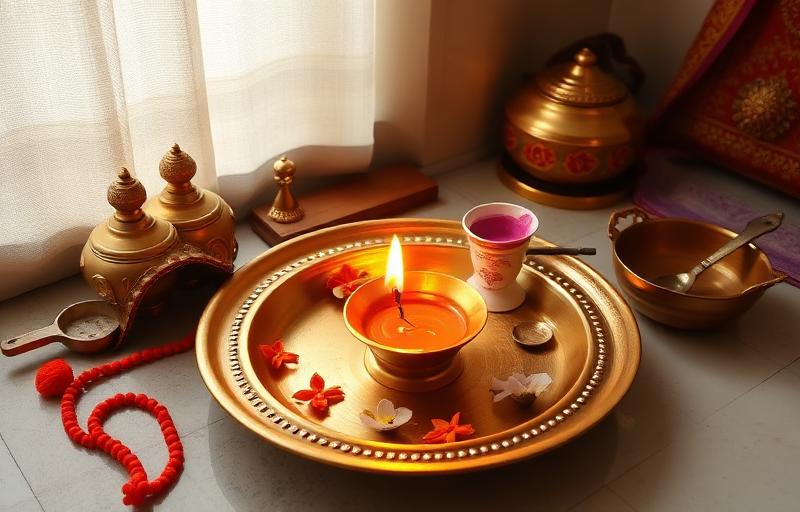
1. The most auspicious days are Ekadashi (the 11th lunar day, sacred to Vishnu) and Thursdays, the day of Vishnu and Brihaspati. 2. Bathe, wear clean clothes and sit facing east before an image of Vishnu or a shaligram, on a clean asana. 3. Light a ghee lamp, offer tulsi leaves, yellow flowers and a little jaggery or fruit. 4. Take a tulsi mala of 108 beads. Begin with Om Namo Narayanaya three times. 5. Recite each of the 108 names as Om ... Namah, moving one bead per name. One full mala equals one complete Ashtottara. 6. On Ekadashi, chanting in the morning after the vrat sankalp is considered especially fruitful; many devotees also recite it in the evening before the tulsi plant. 7. Close with a simple prayer and offer the japa at the lord's feet. Consistency matters more than count - one sincere mala daily is better than many distracted ones.
Benefits of Reciting Vishnu's 108 Names
Vishnu is the preserver, so his names are chanted for stability, protection and peace in every area of life. Regular recitation is believed to remove fear and anxiety, protect the family, bring harmony at home and steady progress in work. As Hari, he removes sins and sorrow; as Bhayanashana, he dissolves fear; as Muktidata, he leads the soul towards liberation. Devotees who keep Ekadashi vrat find that the Ashtottara deepens the fast, turning a day of restraint into a day of remembrance. Above all, the daily garland of names keeps the heart turned towards Narayana, and tradition promises that the lord personally protects those who remember him daily.
Ashtottara or Sahasranama: Which Should You Recite?

Both are garlands of the same lord's names, differing only in length. The Sahasranama has 1000 names and takes 30 to 45 minutes; the Ashtottara has 108 and takes about 15 to 20. Tradition holds that there is no difference in grace - the shorter namavali recited daily with love outweighs the longer one recited rarely. Many devotees chant the Ashtottara every morning and keep the full Vishnu Sahasranama for Ekadashi, Thursdays and special occasions. Start with whichever your time allows; the lord counts devotion, not syllables.
Reader Questions Answered
Is the Vishnu Ashtottara the same as the Vishnu Sahasranama?+
No. The Ashtottara Shatanamavali has 108 names and takes about 15 to 20 minutes, while the Sahasranama from the Mahabharata has 1000 names. Both carry equal grace; the Ashtottara is simply easier for daily practice.
When is the best time to chant Vishnu's 108 names?+
Ekadashi and Thursdays are the most auspicious. For daily japa, early morning after a bath, facing east, is ideal. Evening recitation before the tulsi plant is also a beloved tradition.
Which mala should I use for Vishnu naam jaap?+
A tulsi mala of 108 beads is traditional for Vishnu and his avatars, as tulsi is dearest to Narayana. If you do not have one, counting on the fingers with full attention is perfectly acceptable.
Can I recite the 108 names without keeping a fast?+
Yes. Fasting is not required for naam jaap. The names can be chanted on any day, by anyone, with or without a vrat. On Ekadashi, combining the fast with the japa is considered especially fruitful but never compulsory.
How long does the Vishnu Ashtottara take to complete?+
Recited slowly with a mala, the 108 names take about 15 to 20 minutes. With practice, the names become familiar and the japa flows naturally, making it easy to fit into a morning routine.
What are the benefits of chanting Vishnu's names daily?+
Daily recitation is believed to bring peace, protection of the family, freedom from fear, harmony at home and steady progress in work, while gradually turning the heart towards Narayana and liberation.
About the author
Acharya Vinaya Kapoor · M.A. Sanskrit, Mantra & Stotra Studies
Acharya Vinaya holds an M.A. in Sanskrit from Banaras Hindu University and writes the mantra and stotra commentary on Vandnaa. Her focus is on accurate pronunciation, traditional context, and helping modern readers connect with classical texts.
Meet the Vandnaa editorial team →