What Is the Krishna Ashtottara Shatanamavali
The Krishna Ashtottara Shatanamavali is a sacred garland of 108 names of Lord Krishna, the eighth avatar of Vishnu and the most beloved form of God in bhakti tradition. Each name is chanted as Om followed by the name and Namah - for example, Om Krishnaya Namah. What makes this namavali unique is that it is a complete biography in 108 words: the infant who ended Putana, the butter thief of Gokul, the lifter of Govardhan, the flute player of Vrindavan, the king of Dwarka and the charioteer who sang the Gita at Kurukshetra. To recite it is to walk through Krishna's whole leela in fifteen minutes. The names below follow the popular recitation tradition; small variations exist between regions, and the lord of sweetness accepts them all.
Names 1-36: The Butter Thief of Gokul
The first group holds the names of Krishna's childhood - Devaki's son raised by Yashoda, the butter-smeared darling of Vraj:
1. Krishna (कृष्ण) - the all-attractive one. 2. Kamalanatha (कमलनाथ) - lord of Lakshmi. 3. Vasudeva (वासुदेव) - the indwelling lord. 4. Sanatana (सनातन) - the eternal. 5. Vasudevatmaja (वसुदेवात्मज) - son of Vasudeva. 6. Punya (पुण्य) - the supremely pure. 7. Lilamanushavigraha (लीलामानुषविग्रह) - who took human form for leela. 8. Shrivatsakaustubhadhara (श्रीवत्सकौस्तुभधर) - bearing the Shrivatsa mark and Kaustubha gem. 9. Yashodavatsala (यशोदावत्सल) - the darling of Yashoda. 10. Hari (हरि) - remover of sorrow. 11. Chaturbhuja (चतुर्भुज) - four-armed with chakra, mace, conch and lotus. 12. Devakinandana (देवकीनंदन) - the joy of Devaki. 13. Shrisha (श्रीश) - lord of Shri. 14. Nandagopapriyatmaja (नंदगोपप्रियात्मज) - beloved son of Nanda. 15. Yamunavegasamhari (यमुनावेगसंहारी) - who stilled the Yamuna's torrent. 16. Balabhadrapriyanuja (बलभद्रप्रियानुज) - dear younger brother of Balarama. 17. Putanajivitahara (पूतनाजीवितहर) - who ended Putana. 18. Shakatasurabhanjana (शकटासुरभंजन) - breaker of Shakatasura. 19. Nandavrajajananandi (नंदव्रजजनानंदी) - the joy of Nanda's Vraj. 20. Sachchidanandavigraha (सच्चिदानंदविग्रह) - embodiment of existence, consciousness and bliss. 21. Navanitaviliptanga (नवनीतविलिप्तांग) - with butter smeared on his limbs. 22. Navanitanatana (नवनीतनटन) - who dances for butter. 23. Muchukundaprasadaka (मुचुकुंदप्रसादक) - gracious to Muchukunda. 24. Shodashastrisahasresha (षोडशस्त्रीसहस्रेश) - lord of sixteen thousand queens. 25. Tribhangi (त्रिभंगी) - standing in the threefold bend. 26. Madhurakriti (मधुराकृति) - of enchanting form. 27. Shukavagamritabdhindu (शुकवागमृताब्धीन्दु) - the moon of Shukadeva's nectar-speech. 28. Govinda (गोविंद) - protector of cows. 29. Yoginampati (योगिनांपति) - lord of yogis. 30. Vatsapalanasanchari (वत्सपालनसंचारी) - who wandered grazing the calves. 31. Ananta (अनंत) - the endless. 32. Dhenukasurabhanjana (धेनुकासुरभंजन) - slayer of Dhenukasura. 33. Trinikritatrinavarta (तृणीकृततृणावर्त) - who made light of the whirlwind demon. 34. Yamalarjunabhanjana (यमलार्जुनभंजन) - who freed the twin Arjuna trees. 35. Uttalatalabhetta (उत्तालतालभेत्ता) - who shook down the tala fruits. 36. Tamalashyamalakriti (तमालश्यामलाकृति) - dark and beautiful as the tamala tree.
Names 37-72: From Vrindavan to Dwarka
The second group follows Krishna from the groves of Vrindavan - Govardhan, the flute, the vanamala - to Mathura and the throne of Dwarka:
37. Gopagopishwara (गोपगोपीश्वर) - lord of the gopas and gopis. 38. Yogi (योगी) - the supreme yogi. 39. Kotisuryasamaprabha (कोटिसूर्यसमप्रभ) - radiant as ten million suns. 40. Ilapati (इलापति) - lord of the earth. 41. Paramjyoti (परंज्योति) - the supreme light. 42. Yadavendra (यादवेंद्र) - king of the Yadavas. 43. Yadudvaha (यदूद्वह) - upholder of the Yadu line. 44. Vanamali (वनमाली) - wearing the forest garland. 45. Pitavasa (पीतवासा) - clad in yellow. 46. Parijatapaharaka (पारिजातापहारक) - who brought the Parijata from heaven. 47. Govardhanachaloddharta (गोवर्धनाचलोद्धर्ता) - lifter of Govardhan hill. 48. Gopala (गोपाल) - the cowherd. 49. Sarvapalaka (सर्वपालक) - protector of all. 50. Aja (अज) - the unborn. 51. Niranjana (निरंजन) - the unstained. 52. Kamajanaka (कामजनक) - father of Kamadeva reborn as Pradyumna. 53. Kanjalochana (कंजलोचन) - the lotus-eyed. 54. Madhuha (मधुहा) - slayer of Madhu. 55. Mathuranatha (मथुरानाथ) - lord of Mathura. 56. Dwarakanayaka (द्वारकानायक) - lord of Dwarka. 57. Bali (बली) - the mighty. 58. Brindavanantasanchari (बृंदावनांतसंचारी) - who wandered the groves of Vrindavan. 59. Tulasidamabhushana (तुलसीदामभूषण) - adorned with tulsi garlands. 60. Syamantakamanerharta (स्यमंतकमणेर्हर्ता) - redeemer of the Syamantaka jewel. 61. Naranarayanatmaka (नरनारायणात्मक) - the essence of Nara and Narayana. 62. Kubjakrishtambaradhara (कुब्जाकृष्टांबरधर) - gracious to Kubja who tugged his garment. 63. Mayi (मायी) - the master of maya. 64. Paramapurusha (परमपुरुष) - the supreme person. 65. Mushtikasurachanuramallayuddhavisharada (मुष्टिकासुरचाणूरमल्लयुद्धविशारद) - the wrestler who felled Mushtika and Chanura. 66. Samsaravairi (संसारवैरी) - foe of worldly bondage. 67. Kamsari (कंसारि) - the enemy of Kamsa. 68. Murari (मुरारि) - the enemy of Mura. 69. Narakantaka (नरकांतक) - slayer of Narakasura. 70. Anadibrahmachari (अनादिब्रह्मचारी) - the beginningless pure one. 71. Krishnavyasanakarshaka (कृष्णाव्यसनकर्षक) - remover of Draupadi's distress. 72. Shishupalashirashchhetta (शिशुपालशिरश्छेत्ता) - who severed Shishupala's head.
Names 73-108: Parthasarathi and the Lord of the Gita

The final group remembers Krishna at Kurukshetra - the charioteer, the friend, the revealer of the universal form and the ocean of the Gita's nectar:
73. Duryodhanakulantaka (दुर्योधनकुलांतक) - ender of Duryodhana's clan. 74. Vidurakruravarada (विदुराक्रूरवरद) - gracious to Vidura and Akrura. 75. Vishwarupapradarshaka (विश्वरूपप्रदर्शक) - revealer of the universal form. 76. Satyavak (सत्यवाक्) - of true speech. 77. Satyasankalpa (सत्यसंकल्प) - of true resolve. 78. Satyabhamarata (सत्यभामारत) - beloved of Satyabhama. 79. Jayi (जयी) - ever victorious. 80. Subhadrapurvaja (सुभद्रापूर्वज) - elder brother of Subhadra. 81. Jishnu (जिष्णु) - the triumphant. 82. Bhishmamuktipradayaka (भीष्ममुक्तिप्रदायक) - giver of liberation to Bhishma. 83. Jagadguru (जगद्गुरु) - the teacher of the world. 84. Jagannatha (जगन्नाथ) - lord of the universe. 85. Venunadavisharada (वेणुनादविशारद) - master of the flute's song. 86. Radhavallabha (राधावल्लभ) - the beloved of Radha. 87. Vrishabhasuravidhwamsi (वृषभासुरविध्वंसी) - destroyer of the bull demon. 88. Banasurakarantaka (बाणासुरकरांतक) - who cut Banasura's thousand arms. 89. Yudhishthirapratishthata (युधिष्ठिरप्रतिष्ठाता) - who enthroned Yudhishthira. 90. Barhibarhavatamsaka (बर्हिबर्हावतंसक) - adorned with the peacock feather. 91. Parthasarathi (पार्थसारथि) - the charioteer of Arjuna. 92. Avyakta (अव्यक्त) - the unmanifest. 93. Gitamritamahodadhi (गीतामृतमहोदधि) - the great ocean of the Gita's nectar. 94. Kaliyaphanimanikyaranjita (कालियफणिमाणिक्यरंजित) - whose feet danced on Kaliya's jewelled hoods. 95. Damodara (दामोदर) - bound by Yashoda's rope of love. 96. Yajnabhokta (यज्ञभोक्ता) - the enjoyer of all sacrifice. 97. Danavendravinashaka (दानवेंद्रविनाशक) - destroyer of demon kings. 98. Narayana (नारायण) - the refuge of all. 99. Parabrahma (परब्रह्म) - the supreme absolute. 100. Pannagashanavahana (पन्नगाशनवाहन) - who rides Garuda. 101. Gopivastrapaharaka (गोपीवस्त्रापहारक) - the playful child of Vraj in the Yamuna leela. 102. Punyashloka (पुण्यश्लोक) - whose praise purifies. 103. Tirthakrit (तीर्थकृत) - maker of holy places. 104. Vedavedya (वेदवेद्य) - known through the Vedas. 105. Dayanidhi (दयानिधि) - the treasure of compassion. 106. Sarvabhutatmaka (सर्वभूतात्मक) - the self of all beings. 107. Sarvagraharupi (सर्वग्रहरूपी) - who dwells in all forms. 108. Paratpara (परात्पर) - higher than the highest.
Japa Vidhi: Janmashtami, Margashirsha and Daily Jaap
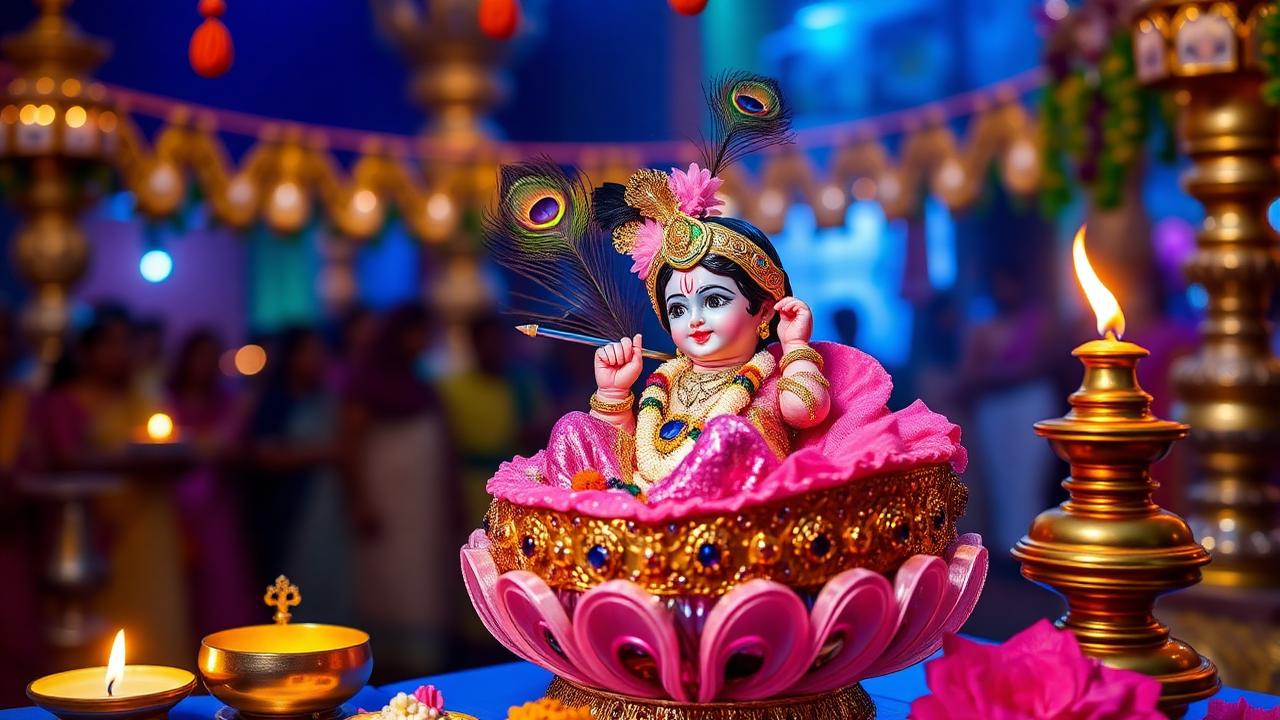
1. The greatest occasion is Janmashtami - reciting the 108 names at midnight, the hour of Krishna's birth, is considered supremely auspicious. 2. The month of Margashirsha is also special: in the Gita, Krishna says 'of months I am Margashirsha', so daily japa in this month carries his own blessing. Wednesdays and Rohini nakshatra days are favoured too. 3. For daily jaap, bathe and sit facing east before an image of Krishna or laddu gopal. 4. Light a ghee lamp, offer tulsi leaves, makhan-mishri or any sweet, and yellow flowers. 5. Use a tulsi mala of 108 beads. Begin with Om Kleem Krishnaya Namah or simply Hare Krishna three times. 6. Recite each name as Om ... Namah, one bead per name. On Janmashtami, devotees often recite it while rocking the cradle after the midnight abhishek. 7. Close with 'Krishnam vande jagadgurum' and offer the japa at his feet.
Benefits of Reciting Krishna's 108 Names
Krishna's names are chanted for joy, love and freedom from worry - his very presence in the heart dissolves heaviness. As Hari he removes sorrow; as Sarvapalaka he protects the family like the cowherd protects his herd; as Parthasarathi he steers his devotee through every battle of life, just as he steered Arjuna; as Gitamritamahodadhi he grants the wisdom to act without anxiety about results. Parents chant his names for their children, remembering Yashoda's darling; students chant them before study, remembering Jagadguru. The childhood names bring sweetness to family life, and the Kurukshetra names bring courage in difficulty - so the one namavali serves every season of a devotee's life.
From Namavali to Naam Sankirtan
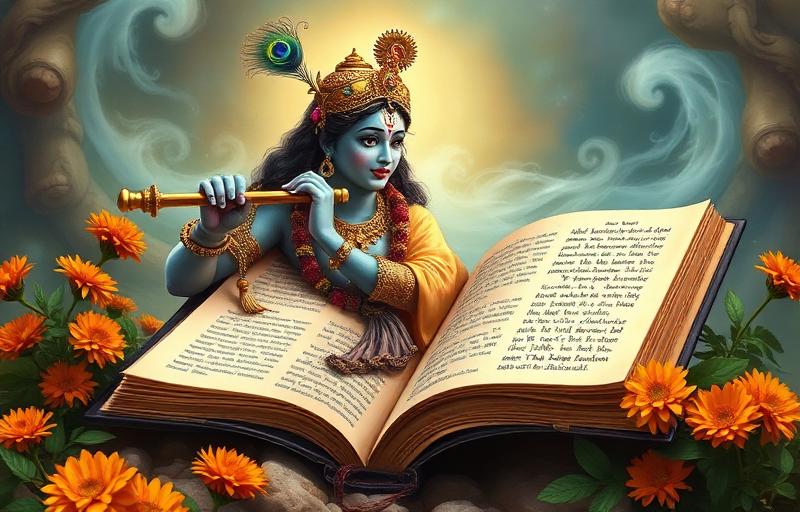
The 108 names are a structured japa, but Krishna bhakti overflows structure. The same names become sankirtan when sung aloud - in bhajans, in the Hare Krishna mahamantra, in the simple call of 'Govinda! Gopala!' while cooking or walking. Tradition says Krishna is bhava-grahi - he receives the feeling, not the technique. Begin with the Ashtottara on a mala each morning, and let one or two names follow you through the day. When a name rises by itself in the heart, unasked, the japa has begun to bear fruit.
Reader Questions Answered
What is the Krishna Ashtottara Shatanamavali?+
It is the traditional list of 108 sacred names of Lord Krishna, each chanted as Om followed by the name and Namah. The names trace his whole life, from the butter thief of Gokul to the teacher of the Bhagavad Gita.
When should I chant Krishna's 108 names on Janmashtami?+
The most auspicious moment is midnight, the hour of Krishna's birth, after the abhishek of laddu gopal. Many devotees also chant the namavali through the day of the vrat to keep the mind on the lord.
Why is Margashirsha month special for Krishna japa?+
In the Bhagavad Gita (10.35), Krishna declares 'of months I am Margashirsha'. Since the lord identifies himself with this month, daily recitation of his names in Margashirsha is believed to carry special grace.
Which mala should I use for Krishna naam jaap?+
A tulsi mala of 108 beads is the most traditional for Krishna, since tulsi is dearest to him. Keep the mala clean, do not let it touch the ground, and move one bead per name.
Are Krishna's 108 names different from Vishnu's 108 names?+
Yes, though Krishna is Vishnu's avatar, the two namavalis differ. The Krishna Ashtottara is woven around his earthly leela - Gokul, Vrindavan, Mathura, Dwarka and Kurukshetra - while the Vishnu Ashtottara praises the cosmic preserver.
What are the benefits of daily Krishna naam jaap?+
Daily recitation brings joy, freedom from worry, sweetness in family life, courage in difficulty and steady devotion. Tradition holds that Krishna receives the feeling behind the names, so even a few names chanted with love bear fruit.
About the author
Acharya Vinaya Kapoor · M.A. Sanskrit, Mantra & Stotra Studies
Acharya Vinaya holds an M.A. in Sanskrit from Banaras Hindu University and writes the mantra and stotra commentary on Vandnaa. Her focus is on accurate pronunciation, traditional context, and helping modern readers connect with classical texts.
Meet the Vandnaa editorial team →