What Is the Lakshmi Beej Mantra Shreem
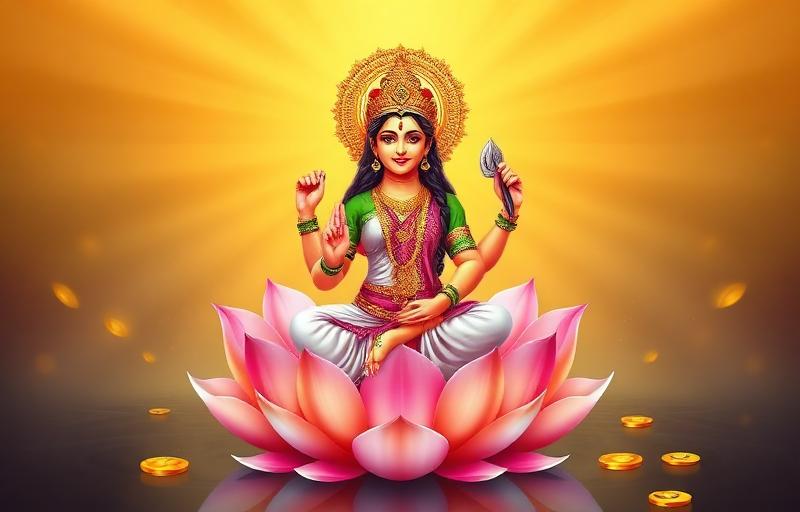
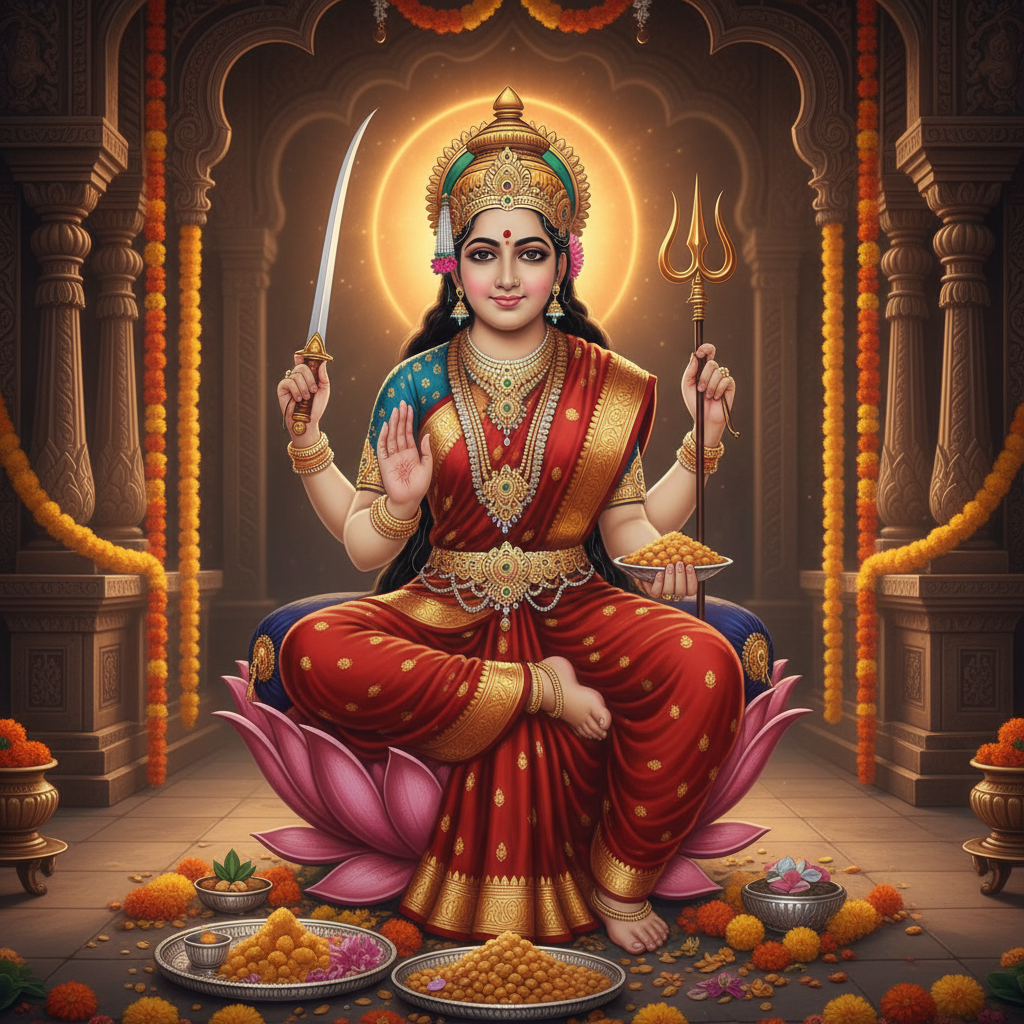
Shreem is revered across Hindu tradition as the beej mantra of Goddess Lakshmi, the deity of wealth, abundance and auspiciousness. In its fuller form it is chanted as Om Shreem Mahalakshmyai Namah, meaning 'salutations to the great Goddess Lakshmi, invoked through the sound Shreem'.
The word itself is rooted in Shri, a term of honour, prosperity and grace used for the goddess since Vedic times, most notably in the Shri Sukta hymn of the Rigveda dedicated to her. Shreem is considered the concentrated seed form of that same energy.
Scriptural Origin and Tradition
The Shri Sukta, appended to the Rigveda, is among the earliest hymns praising Lakshmi and is still recited during Lakshmi puja today. Tantric and Puranic traditions later developed the compact beej Shreem as a way to carry the essence of this entire hymn of praise within a single sound.
Over centuries, Shreem became closely associated with Diwali and Sharad Purnima worship, when households across India invoke Lakshmi's presence, and it remains one of the most widely chanted beej mantras in Hindu homes and temples alike.
The Meaning Held Within the Sound
Mantra tradition holds that each sound within Shreem carries significance: Sh is linked to Mahalakshmi herself and the wealth and grace she bestows, r to Dhana Lakshmi, the flow of prosperity, and ee to fulfilment and satisfaction, while the closing bindu represents the goddess's boundless, all-pervading nature.
Devotees are taught that Shreem invokes not just material wealth but Lakshmi in her fuller sense, encompassing health, beauty, courage and good fortune, all considered forms of her grace.
How and When Devotees Chant Shreem
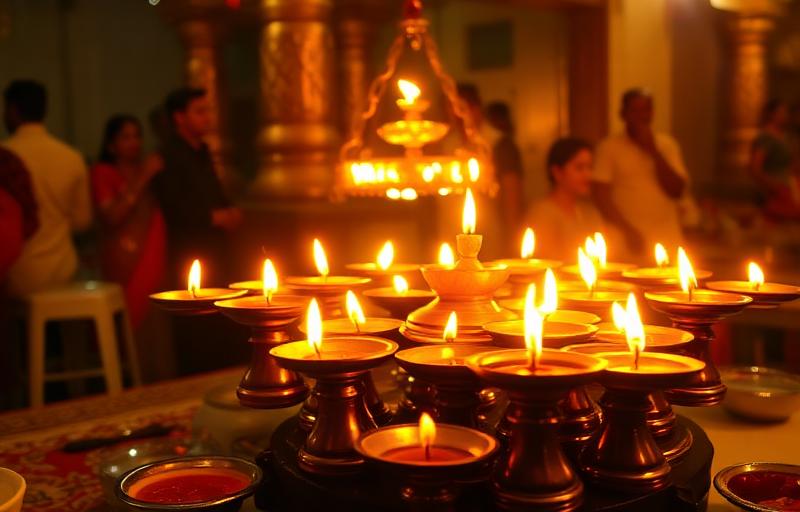
Om Shreem Mahalakshmyai Namah is commonly chanted on Friday, a day traditionally associated with Lakshmi, and especially during Diwali, Sharad Purnima and Varalakshmi Vrat. Devotees usually light a ghee lamp, sit facing east or north, and chant with a lotus seed or crystal mala.
- A common count is 108 repetitions, completed over 11 or 21 consecutive days
- Many recite it while offering fresh flowers, particularly lotus, to the goddess
- Shopkeepers and business families often chant it before opening for the day
- It is frequently included at the close of Lakshmi Chalisa or Kanakadhara Stotra recitation
Benefits as Per Tradition
As per tradition, sincere chanting of Shreem is believed to invite stability and growth in one's efforts, whether in business, career or household finances, and to cultivate contentment alongside abundance rather than pure accumulation. Devotees believe it also nurtures grace, generosity and grounded confidence, qualities associated with Lakshmi beyond wealth alone.
Families often chant it together during Diwali, treating the practice as a shared expression of gratitude for what they already have, as much as a prayer for what is to come.
A Grounded Daily Practice
Shreem does not need an elaborate setting to hold meaning. Lighting a small lamp and chanting it quietly for a few minutes each evening is, in tradition, considered a heartfelt way of inviting the goddess's presence into the home.
As with all mantra practice, chanting Shreem is an act of faith and love, not a transaction, a reminder that true abundance in Hindu tradition is as much about gratitude and grace as it is about what is gained.
Reader Questions Answered
What does the Lakshmi beej mantra Shreem mean?+
Shreem is considered the seed sound of Goddess Lakshmi, rooted in the word Shri meaning prosperity and grace. It is chanted as Om Shreem Mahalakshmyai Namah to invoke her blessings of wealth, abundance and wellbeing.
Which day is best for chanting Shreem?+
Friday is traditionally considered dear to Lakshmi and well suited for this chant, along with Diwali, Sharad Purnima and Varalakshmi Vrat, when devotional focus on the goddess is especially strong.
Is Shreem only about money and wealth?+
Tradition understands Shreem as an invocation of Lakshmi's fuller grace, which includes health, contentment, courage and good fortune, not material wealth alone. It is chanted with a spirit of gratitude as much as aspiration.
About the author
Acharya Vinaya Kapoor · M.A. Sanskrit, Mantra & Stotra Studies
Acharya Vinaya holds an M.A. in Sanskrit from Banaras Hindu University and writes the mantra and stotra commentary on Vandnaa. Her focus is on accurate pronunciation, traditional context, and helping modern readers connect with classical texts.
Meet the Vandnaa editorial team →