What Is Lakshmi Panchami?
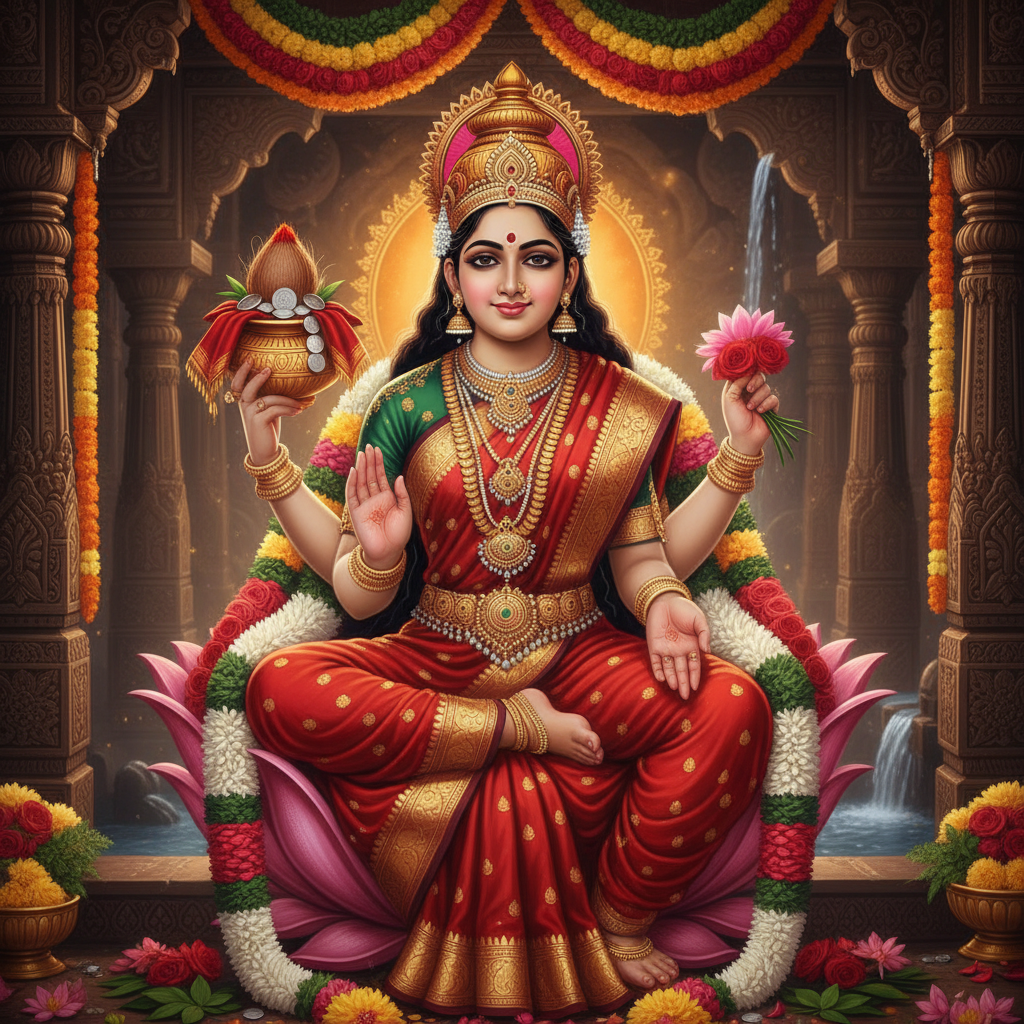
Lakshmi Panchami is a vrat observed on the fifth day, the Panchami tithi, of a lunar fortnight, dedicated to Goddess Lakshmi. Unlike the widely known Diwali Lakshmi Puja, this vrat is quieter and less commonly discussed, kept mainly by families who have received it as part of their own regional or family tradition.
It is observed with the same devotion as other Lakshmi vrats, though on a smaller, more personal scale.
When It Falls in the Hindu Calendar
Lakshmi Panchami is typically observed during auspicious months such as Kartik or around the festival season, on a Panchami tithi that a family or community considers significant. Because Panchami tithis occur twice each lunar month, families generally follow the specific one passed down in their own tradition.
Devotees are encouraged to consult a local priest or their family's own calendar for the exact date each year, since the tithi shifts against the solar calendar.
Why This Vrat Is Observed
Devotees observe Lakshmi Panchami primarily for the well-being and prosperity of the family, and in many households, for marital happiness and harmony between husband and wife. It is often kept by women, though not exclusively.
As with other Lakshmi vrats, the underlying belief is that sincere devotion on this day invites the goddess's steady presence into the home rather than a sudden windfall.
How the Vrat Is Kept
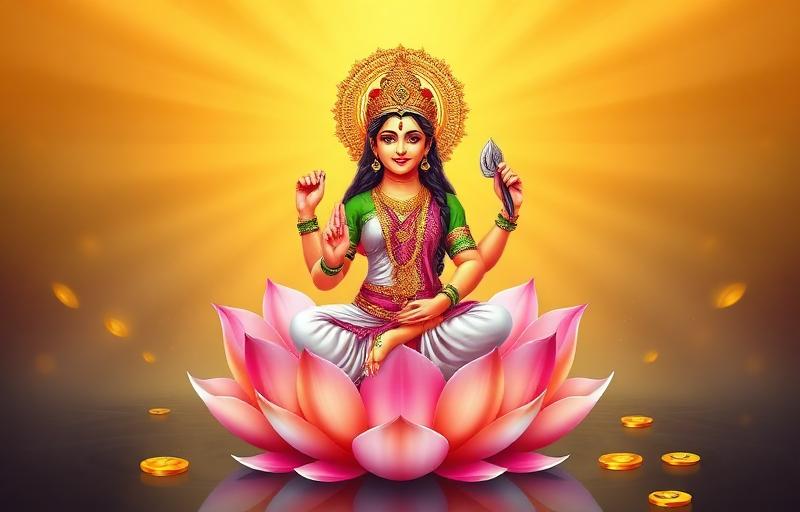
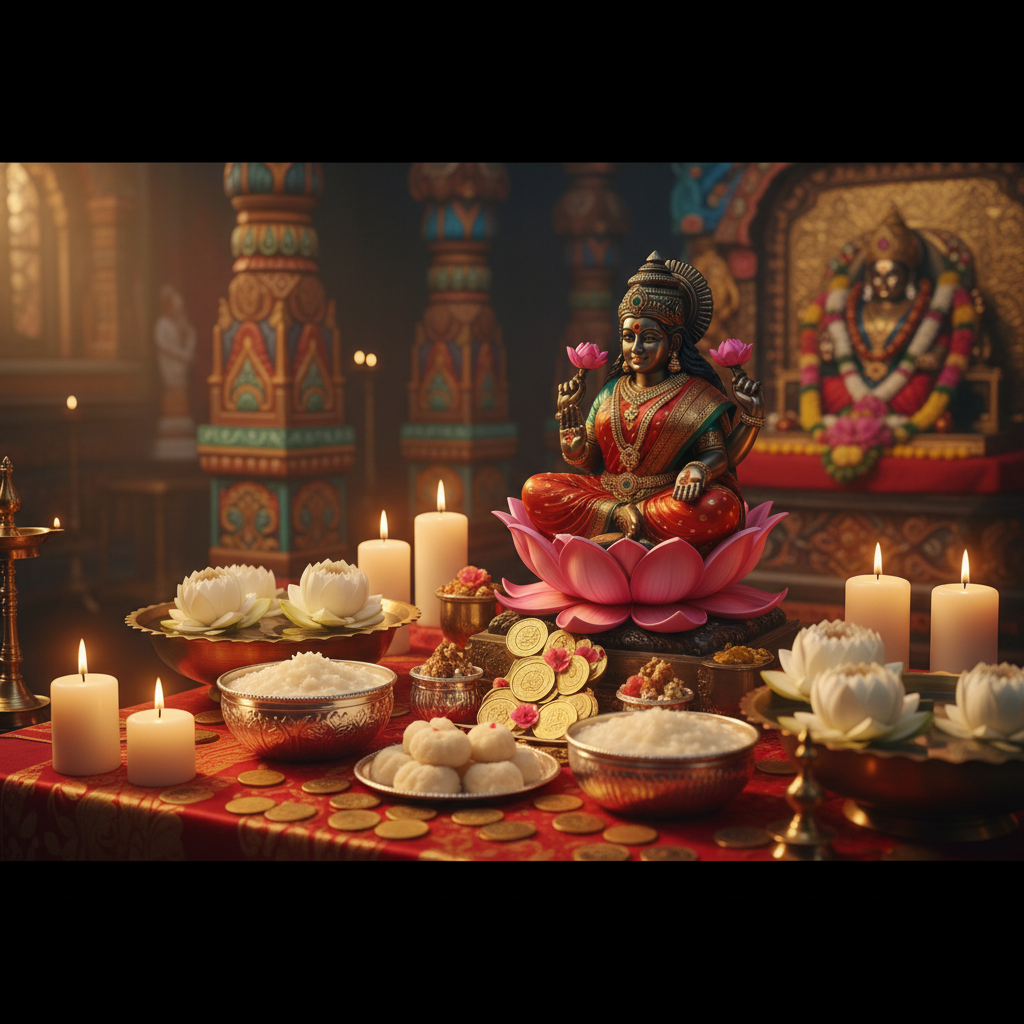
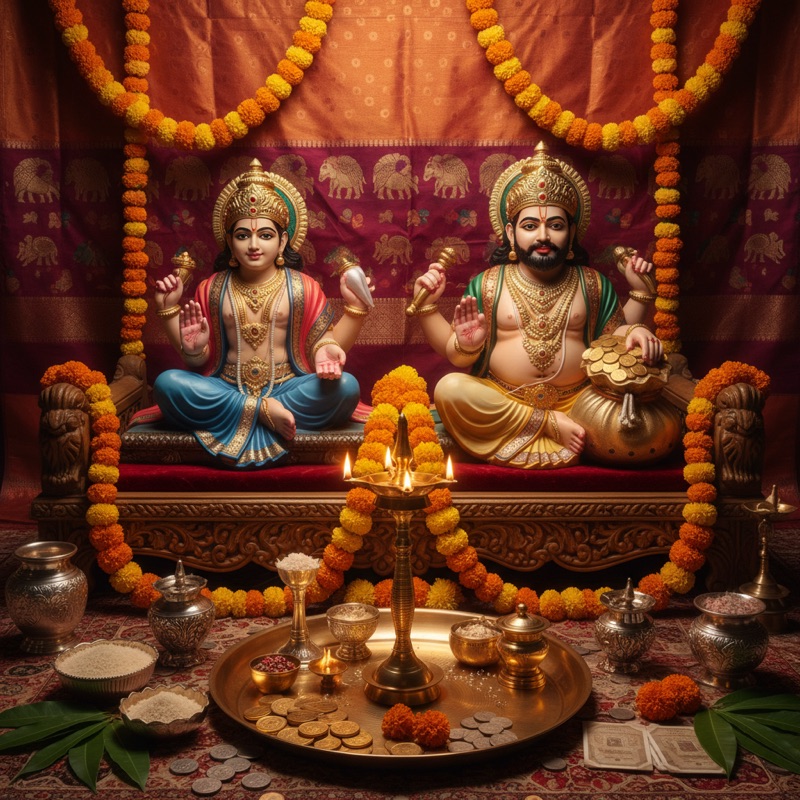
- The day begins with a bath and clean clothes, followed by a simple puja to Lakshmi with flowers, a diya and sweets.
- Many devotees keep a fast through the day, breaking it in the evening after the puja.
- A short katha or the reading of Lakshmi's names may be included, depending on family tradition.
- Some households also perform a small act of charity or feed someone in need, in keeping with the spirit of sharing prosperity.
As with all such vrats, the exact steps vary by family, and following one's own inherited tradition is considered most important.
A Regional and Lesser-Known Tradition
Lakshmi Panchami is a good reminder that Hindu tradition holds far more devotional practices than the widely known festivals suggest. Many such vrats exist quietly within families and villages, carried forward through generations without needing wide recognition.
Devotees who observe such vrats often say that their significance lies precisely in this intimacy, a quiet, personal appointment with the goddess, separate from public celebration.
A Simple Takeaway
Lakshmi Panchami shows that devotion does not need a grand stage to be meaningful. As per tradition, a quiet vrat kept with sincerity is as much an act of faith and love as any large festival, not a transaction.
Reader Questions Answered
Is Lakshmi Panchami the same as Diwali Lakshmi Puja?+
No, they are different observances. Lakshmi Panchami is a quieter, more regionally kept vrat, separate from the widely celebrated Diwali Lakshmi Puja.
Who typically observes Lakshmi Panchami?+
It is often observed by women for family prosperity and marital happiness, though families follow their own inherited traditions on who keeps the vrat.
How is the exact date of Lakshmi Panchami decided?+
Since Panchami tithi occurs twice in a lunar month, families typically follow the specific occurrence passed down in their tradition, best confirmed with a local priest or panchang.
About the author
Pandit Mahesh Trivedi · Festival Traditions & Panchang
Pandit Mahesh leads the festival-date and Panchang content on Vandnaa. He cross-references multiple regional panchangs (Drik, Vaishnava, Bengali, Marathi) for every festival date published on the site.
Meet the Vandnaa editorial team →