Why Lakshmi Is Invoked When a Business Opens
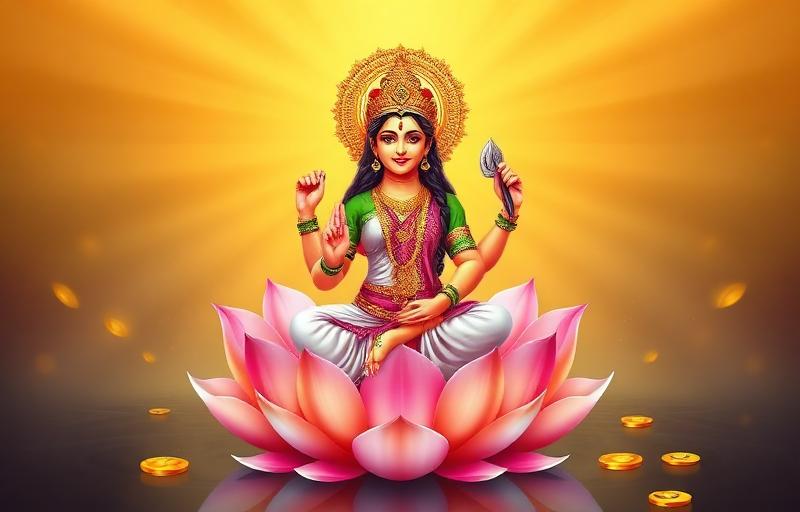
Opening a new shop, office or venture is treated in Hindu tradition as a beginning significant enough to deserve its own puja, and Lakshmi is invoked specifically because her domain is not a single windfall but sustained, steady prosperity. The distinction is worth sitting with for a moment: a business owner is not praying for a lucky first day so much as inviting a quality of abundance that is meant to characterise the enterprise going forward.
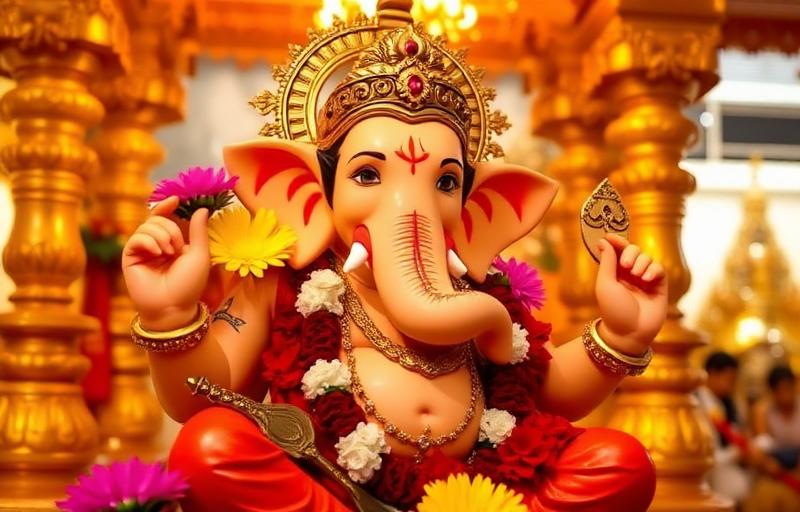
This is why Lakshmi puja at a business opening is almost never performed alone. Ganesha, remover of obstacles, is invoked first, and only after his blessing is sought does the ceremony turn to Lakshmi. The reasoning is practical as much as spiritual: a new business will inevitably meet obstacles - paperwork, difficult clients, slow early sales, equipment that does not work as expected - and tradition holds that inviting prosperity without first clearing the path for it is an incomplete beginning. Together, Ganesh-Lakshmi puja at a business opening asks for both a smooth road and a fruitful one.
There is also a distinctly practical dimension to why this ritual has persisted so strongly in Indian business culture across generations, from small shopkeepers to large enterprises. It marks a clear, formal starting point that everyone involved, family, staff, and the owner, recognises as the moment the venture properly begins, distinct from the weeks of paperwork and setup that precede it. That shared sense of a considered, blessed beginning tends to carry real psychological weight for the people about to spend years of effort on the enterprise, quite apart from whatever is believed about the puja's direct effect on future earnings.
Choosing an Auspicious Muhurat for Opening Day
Muhurat, the auspicious window of time for beginning something significant, is taken seriously for business openings specifically because the date chosen is remembered as the venture's official birthday for as long as it operates. A few broad principles guide how muhurat is traditionally chosen for this occasion:
- Auspicious tithis such as Akshaya Tritiya, Dhanteras, the days around Diwali, or Vasant Panchami are widely favoured, since their names and associations already carry meanings of growth and abundance.
- Avoiding Rahu Kaal, the inauspicious period that shifts daily and is generally avoided for any new beginning, not just business openings.
- Considering the nakshatra and day of the week - Thursdays, associated with Vishnu and Guru, and Fridays, associated with Lakshmi, are commonly preferred over other days for this specific ceremony.
- Personal and family considerations - many families also check that the chosen date does not fall during a period considered inauspicious for the owner specifically, based on family tradition.
Rather than attempting to calculate any of this manually, the most reliable approach is to check a proper panchang for the specific date, location and time you are considering, since muhurat calculations depend on precise regional sunrise times and planetary positions that shift throughout the year.
🪔 The Vandnaa app's daily panchang makes it simple to check upcoming auspicious dates and timings before you finalise your business opening, without needing to work through the calculations by hand.
If a genuinely ideal muhurat is not available within a reasonable window, tradition also recognises that sincerity and preparation matter more than chasing a theoretically perfect moment indefinitely. A good muhurat within a reasonable few weeks, approached with proper vidhi and a clean, prepared space, is considered entirely sufficient.
Samagri Checklist for a Business Opening Puja
Gather these items before the ceremony begins, ideally the evening before opening day:
- Idols or photos of Ganesh and Lakshmi, placed together, along with a small image of Kuber if your family tradition includes him
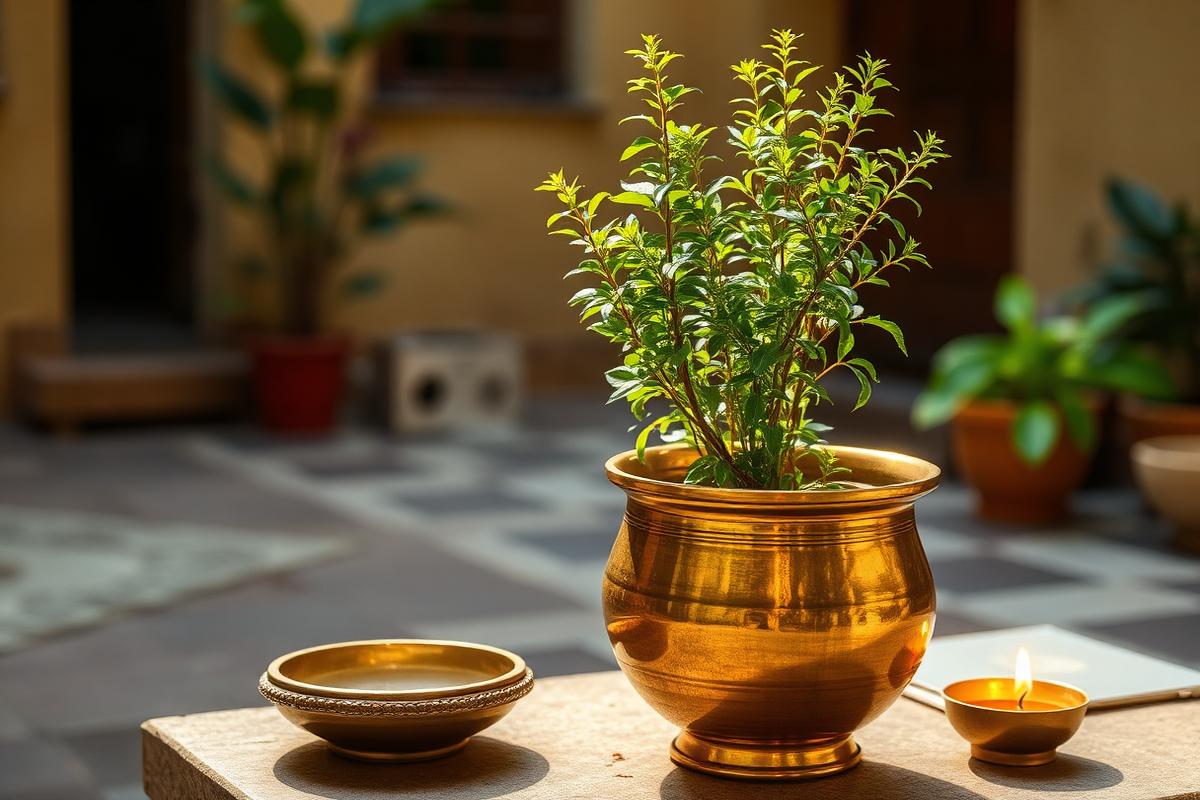
- A kalash (metal pot) filled with water, topped with mango leaves and a coconut
- Red cloth to drape the puja area and cover the kalash
- Roli, kumkum, chandan and akshat (unbroken rice) for tilak and offerings
- A fresh garland and loose flowers, lotus if available
- A new account ledger or the shop's first cash box, kept ready to be blessed as part of the ceremony
- Sweets for naivedya, commonly ladoo or a local specialty, plus panchamrit ingredients
- A diya with ghee, incense sticks and dhoop
- A new lock and key for the shop, if this is the first time it is being opened, to be blessed before use
- Betel leaves, supari, coins and a small amount of cash to be placed in the till as the symbolic first money
- A toran or mango-leaf string to hang across the main entrance
Many business owners also keep a small idol of Ganesh and Lakshmi permanently near the cash counter or entrance after this ceremony, distinct from the items used only on opening day, so that a visible reminder of the puja's intention remains part of the daily workspace going forward.
Step-by-Step Vidhi for Opening Day
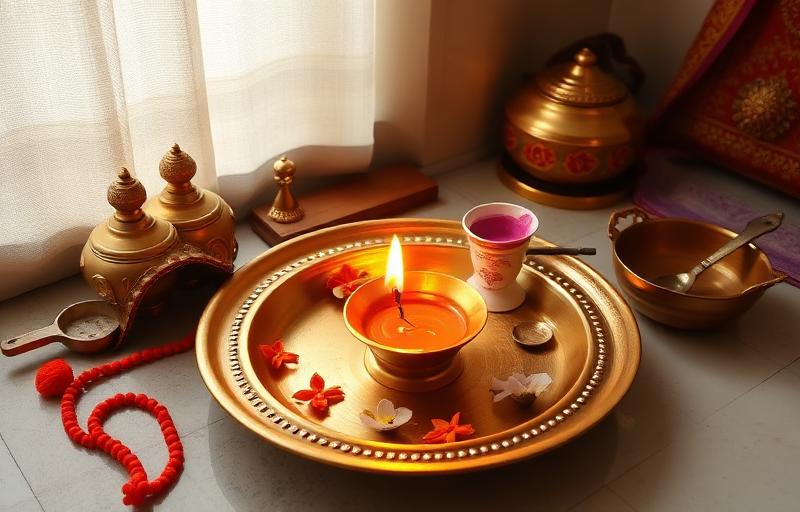
Follow these steps in sequence on the chosen muhurat:
1. Clean thoroughly - sweep and wipe down the entire premises the night before or early that morning, paying particular attention to the entrance and the spot where the cash counter will sit. 2. Set up the puja area near the entrance or the main counter, with the kalash, idols and samagri arranged. 3. Ganesh puja first - light the diya, offer tilak, flowers and modak or ladoo to Ganesh, and recite "Om Gam Ganapataye Namah" to clear obstacles before anything else proceeds. 4. Lakshmi avahan - invite Lakshmi with folded hands, offer tilak, flowers, and panchamrit if using a metal idol, then chant "Om Shreem Mahalakshmiyei Namah" or recite the Lakshmi Chalisa. 5. Bless the ledger and cash box - place them before the idols during the puja, along with the new lock and key if applicable. 6. Hang the toran across the entrance before the shop is formally opened to customers. 7. Aarti - perform aarti together for Ganesh and Lakshmi, ringing a bell, with everyone present joining in. 8. Break the coconut at the threshold, a common practice symbolising the removal of ego and obstacles before stepping into the new venture. 9. Open the lock or shutter at the exact muhurat time, entering the premises with the right foot first. 10. Light the first lamp inside the shop and let it burn for as long as tradition in your family dictates, sometimes the whole first day. 11. Distribute prasad to everyone present, including any early customers or well-wishers who stop by.
A priest is traditionally invited to lead this sequence, though many smaller businesses perform it themselves with sincerity, which tradition holds is equally acceptable.
Rituals for the First Day of Business
A handful of practices specifically govern the first day of trading itself, distinct from the opening puja, believed to set the tone for the venture's ongoing prosperity:
- The till is never opened empty - a small amount of cash, often wrapped in red cloth or accompanied by a coin offered during the puja, is placed in the cash box before the first sale, so the day begins with money already present rather than an empty drawer.
- The first customer is treated with particular care - many shopkeepers offer a small discount, a sweet, or simply extra warmth to the very first paying customer, and traditionally avoid turning away the first customer of the day empty-handed even if the request is a minor inconvenience.
- The shop stays lit through the evening, often with the puja diya kept burning as long as safely possible, or an additional lamp lit at dusk on the first day.
- Accounts are not settled harshly on day one - some traditions hold that the first day's transactions should not involve refunds, returns, or difficult negotiations if it can be avoided, treating the day as a symbolic beginning rather than business as usual.
- A small portion of the first day's earnings is sometimes set aside or donated, as a gesture of gratitude rather than treating every rupee as immediately reinvested capital.
These customs are less about strict rule-following and more about consciously marking the first day as different from the ordinary grind that follows, giving the owner and staff a shared sense of a considered, careful beginning that carries forward into how the business is run in the weeks after.
Sustaining Prosperity Beyond Opening Day
The opening ceremony is a beginning, not a one-time guarantee, and tradition is fairly explicit that Lakshmi's continued presence is understood to depend on how the business is maintained afterward, not only on how well the first day was performed. A few practices help extend the spirit of the opening puja into ongoing operations.
Many shop owners perform a short Friday puja at the same counter where the opening ceremony took place, lighting a diya and offering a brief prayer before the week's business begins, treating it as a small weekly renewal of the original invitation. Keeping the shop, and specifically the entrance and cash counter, clean and well lit every single day is considered a continuous extension of the puja rather than a one-time instruction, since Lakshmi is traditionally believed to avoid spaces that fall into clutter or neglect.
Diwali is treated as an annual re-consecration for an ongoing business, with many shop owners repeating a fuller version of the Ganesh-Lakshmi puja every year on Dhanteras or Diwali night, updating account books and formally closing the old ledger in her presence before starting a fresh one. This yearly repetition reflects the underlying idea driving the entire opening ceremony: prosperity in Hindu tradition is rarely framed as something secured once and then coasted on, but as a relationship that is tended to, gratefully and consistently, for as long as the business continues.
A business that treats its opening day puja as the beginning of an ongoing practice, rather than a box checked once, is following the tradition exactly as it is meant to be followed.
Frequently Asked Questions
Can Lakshmi puja for a new business be done without a priest?+
Yes. While many businesses invite a priest for this occasion, tradition holds that sincere puja performed by the owner or family, following the correct sequence, is equally valid. What matters most is intention and care in following the steps.
What if a good muhurat is not available soon, can I still open the shop?+
Yes. Business realities like lease dates or licensing often do not wait for a perfect muhurat. Choose the best available date within a reasonable window using the app panchang, and focus on performing the vidhi with full sincerity rather than delaying indefinitely for a theoretically ideal moment.
Is a live Ganesh-Lakshmi idol required, or is a photo enough?+
A photo or a small idol both work well for this puja. What matters more than the material is that the images are clean, placed respectfully, and treated with the same devotion regardless of whether they are framed prints or crafted idols.
What should the very first transaction on opening day be?+
There is no strict requirement, but many traditions favour the first transaction being a genuine sale rather than a return or a freebie, and treating the first paying customer with particular warmth, since this moment is considered symbolic of how the business's earnings will flow going forward.
Should Lakshmi puja be repeated later for a business that is already running?+
Yes, this is common and encouraged. Most ongoing businesses repeat a fuller Lakshmi puja annually around Diwali or Dhanteras, alongside smaller weekly practices on Fridays, treating prosperity as something maintained continuously rather than secured only at the start.
Is this vidhi different for an online or home-based business?+
The core vidhi remains the same. For a home-based or online business, the puja is typically performed at the workspace, near the computer or inventory area, with the same samagri and sequence, simply adapted to the physical space actually being used for the work.
About the author
Pandit Mahesh Trivedi · Festival Traditions & Panchang
Pandit Mahesh leads the festival-date and Panchang content on Vandnaa. He cross-references multiple regional panchangs (Drik, Vaishnava, Bengali, Marathi) for every festival date published on the site.
Meet the Vandnaa editorial team →