The Pandal Devotees Wait Hours to Visit
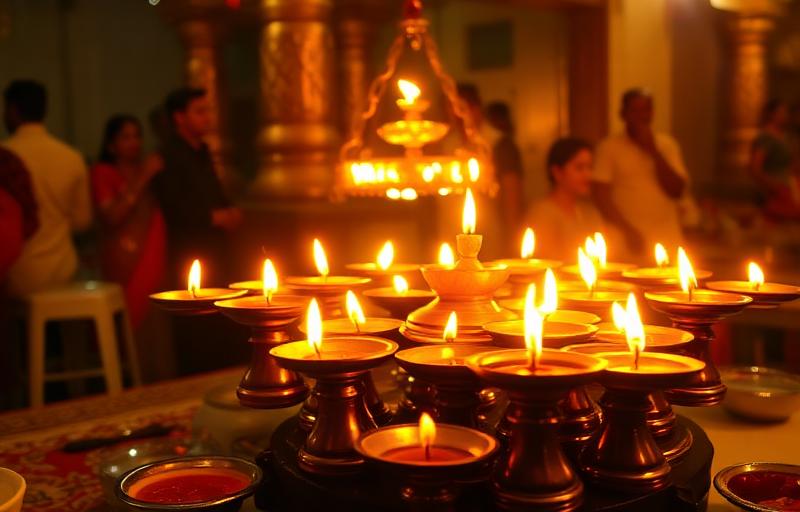
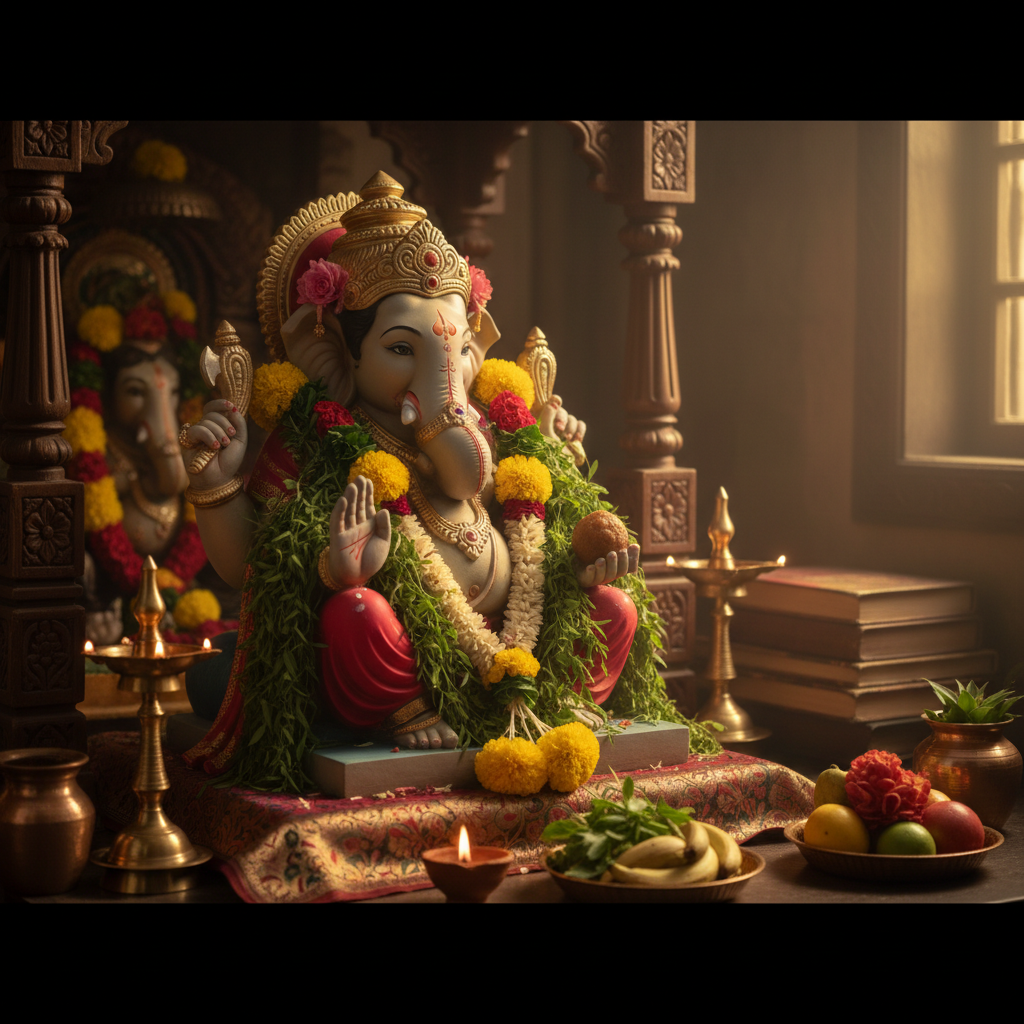
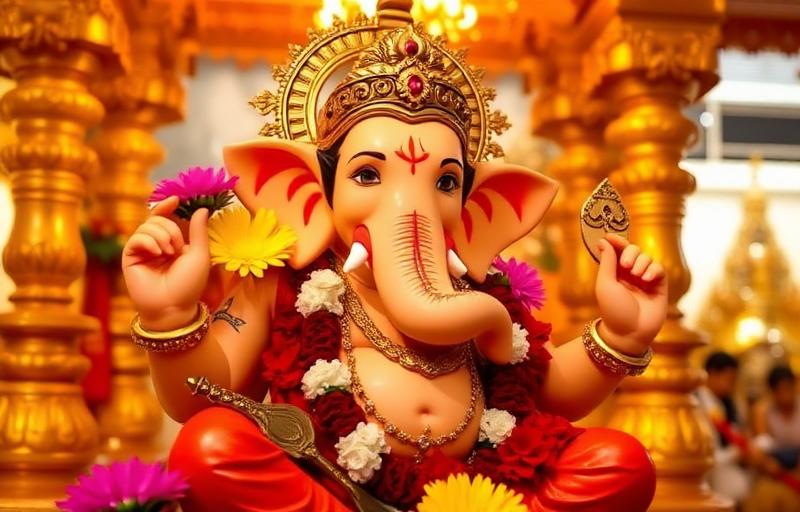
In the Lalbaug area of central Mumbai stands the pandal of Lalbaugcha Raja, meaning 'the King of Lalbaug', one of the most visited Ganesh idols anywhere in the country. Each year, devotees from across Mumbai and beyond arrive in numbers so large that queues can stretch for hours, yet the wait rarely dampens the spirit of those who come.
For many devotees, a visit to Lalbaugcha Raja is not simply one more pandal on their Ganeshotsav rounds. It is regarded as a pilgrimage in its own right, made with the patience and faith that any sacred journey demands.
A Mandal Born from a Local Community's Faith
Lalbaugcha Raja's pandal traces its origins to the local fisherfolk and market vendor community of Lalbaug, who came together generations ago to establish what would become one of Mumbai's oldest continuously running public Ganeshotsav mandals. Their original wish was simple: to have a Ganesha of their own to worship together as one community.
Over the decades, the small local initiative grew steadily into a citywide phenomenon, drawing devotees far beyond its own neighbourhood, while the mandal has continued to be run largely by the same spirit of community ownership with which it began.
Why Devotees Call Him the Navsacha Ganpati
Lalbaugcha Raja is widely known among devotees as the Navsacha Ganpati, the Ganesha who fulfils heartfelt wishes.
- Devotees travel from across India specifically to have their prayers heard by this particular form of Ganesha
- Many return year after year to offer thanks once a wish made here is believed to have been fulfilled
- The mandal is known for undertaking charitable and community welfare activities alongside its religious functions
- The sheer diversity of devotees, from daily wage workers to well-known public figures, standing in the same queue reflects the deity's welcome to all
The Queue, the Wait and the Darshan
Reaching Lalbaugcha Raja often means joining a queue that winds through barricaded lanes for several hours, particularly in the final days before visarjan. Devotees pass the time in prayer, conversation and the shared anticipation of those around them, a wait that many describe as its own form of devotion.
When darshan finally comes, it lasts only a few brief moments before the flow of devotees must move on, yet for those who have waited, that fleeting glimpse is often described as deeply moving, worth every hour spent in line.
A Symbol of Mumbai's Devotion Nationwide
Over time, Lalbaugcha Raja has grown into a cultural icon recognised well beyond Mumbai, with extensive media coverage each year bringing the pandal's atmosphere to television screens and social media feeds across the country. Yet this attention has not changed the essential character of the celebration.
At its heart, Lalbaugcha Raja remains what it always was: a community's shared act of faith, now witnessed and joined by millions who see in it a reflection of their own devotion to Ganesha.
What the Wait Teaches Devotees
The long queues at Lalbaugcha Raja are, for many devotees, a lesson in patience as an expression of faith. In a fast-paced city, choosing to wait hours for a few moments of darshan is itself an offering, a reminder that devotion is not measured by convenience.
As they finally stand before the idol, devotees offer the prayer Om Gam Ganapataye Namah, carrying with them the hope that their patience, like their faith, will be met with grace.
Frequently Asked Questions
Why is Lalbaugcha Raja called the Navsacha Ganpati?+
Devotees believe this form of Ganesha is especially responsive to heartfelt wishes, and many return each year to offer thanks after a prayer made here is believed to have been fulfilled.
Why are the queues at Lalbaugcha Raja so long?+
The pandal draws devotees from across India due to its long-standing reputation and community history, and the sheer number of visitors, especially in the final days of the festival, results in queues that can last several hours.
Who established the Lalbaugcha Raja mandal?+
The mandal traces its origins to the local fisherfolk and market vendor community of Lalbaug, who came together generations ago to worship a shared Ganesha as one community.
About the author
Pandit Mahesh Trivedi · Festival Traditions & Panchang
Pandit Mahesh leads the festival-date and Panchang content on Vandnaa. He cross-references multiple regional panchangs (Drik, Vaishnava, Bengali, Marathi) for every festival date published on the site.
Meet the Vandnaa editorial team →