Ganeshotsav: The Ten Days That Transform Mumbai
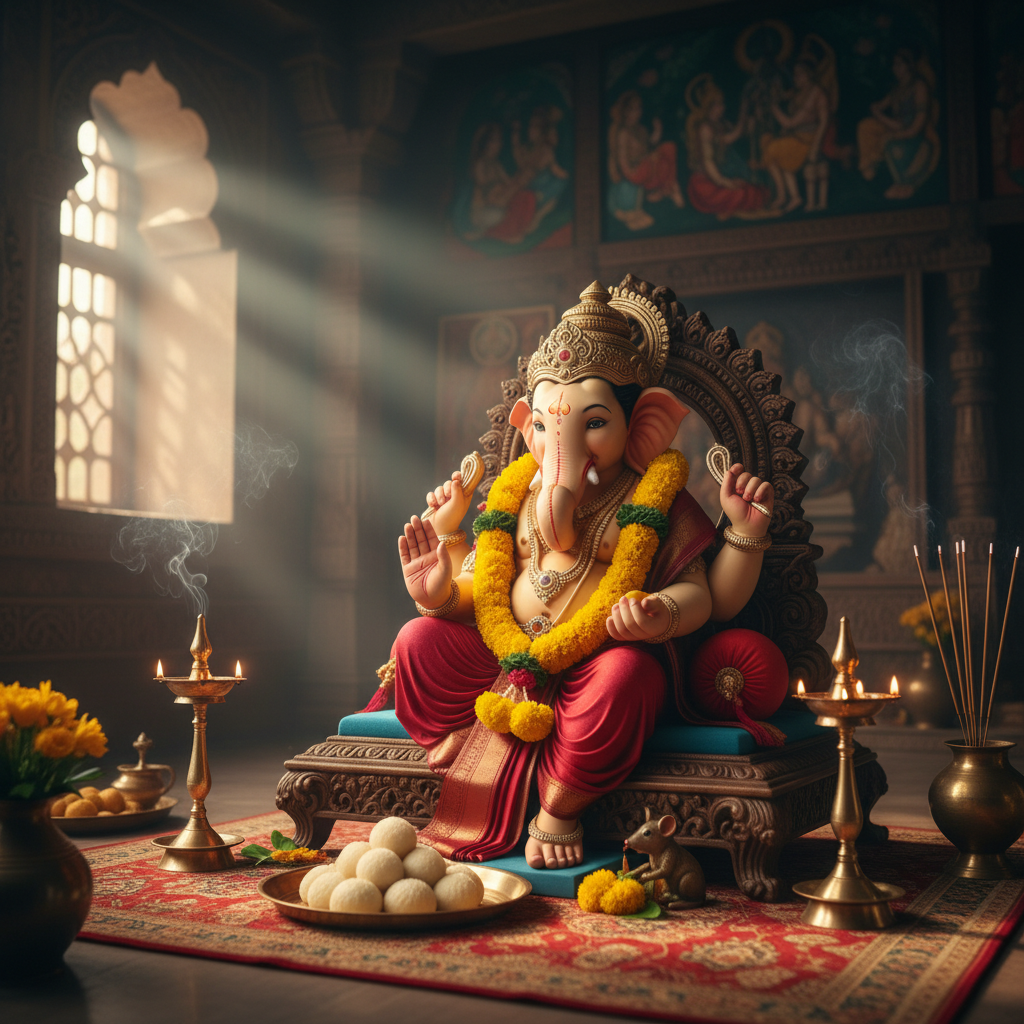
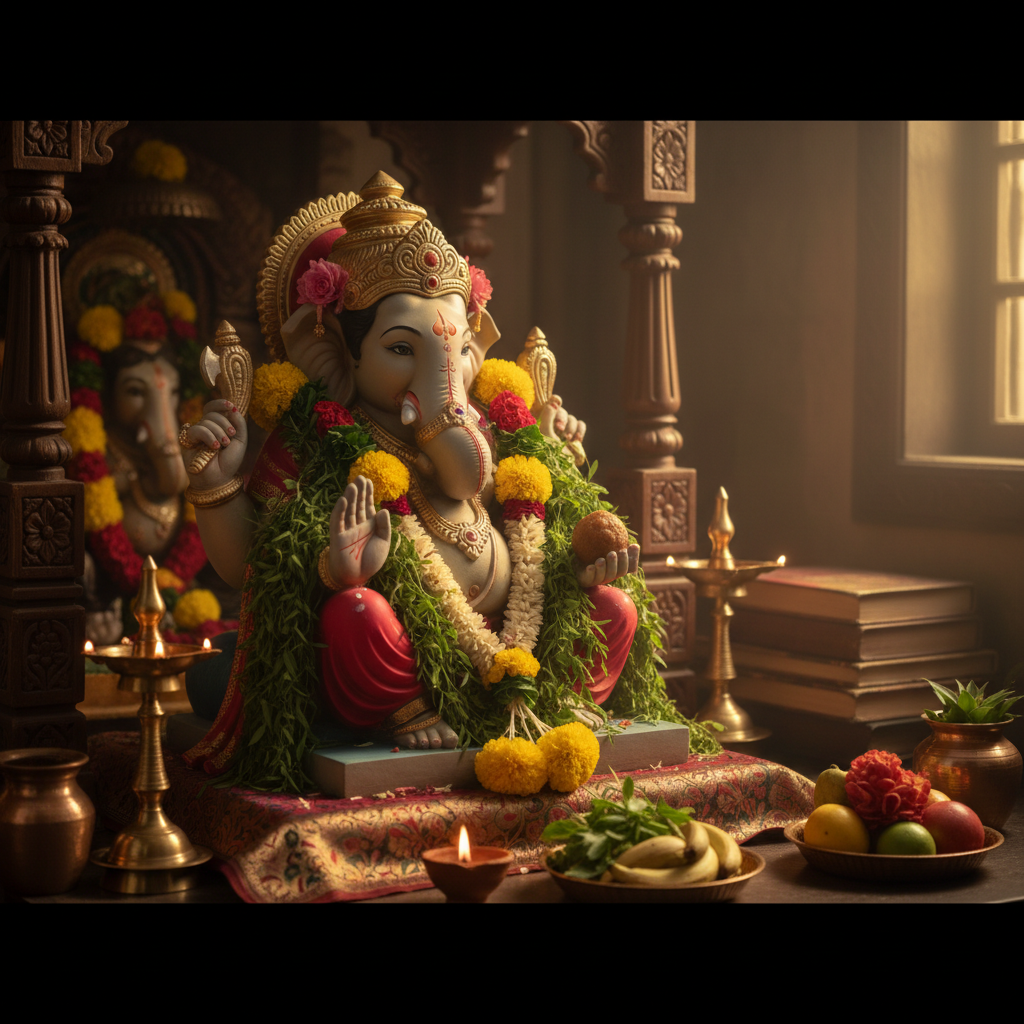
For ten days each year, Mumbai sets aside its usual pace and gives itself over to devotion. Lord Ganesha, the remover of obstacles, is welcomed into homes, housing societies and public squares across the city, and for the length of his stay, the streets fill with music, colour and an unmistakable sense of togetherness.
This festival, known simply as Ganeshotsav, is more than a religious observance for Mumbai. It has become part of how the city understands itself, a season when neighbours become collaborators, strangers become fellow devotees, and an entire metropolis pauses to honour one beloved deity together.
From Home Worship to a City-Wide Movement
Ganesh Chaturthi has long been observed within Maharashtrian households as a quiet, personal festival, with families installing a small idol and worshipping it over a few days before immersion. This home tradition remained the primary way the festival was marked for generations.
The shift toward large public celebrations is closely tied to the efforts of Lokmanya Tilak, a respected public figure from Pune, who encouraged communities to bring the festival out of individual homes and into shared public spaces. From Pune, the idea of community mandals organising public celebrations spread to Mumbai, where it found fertile ground in the city's closely packed neighbourhoods and diverse population, gradually growing into the scale seen today.
Why Ganeshotsav Means So Much to Mumbai
For Mumbai's devotees, Ganeshotsav carries a significance that goes beyond ritual.
- It offers a shared devotional experience that brings together people from every background, community and part of the city
- The ten-day period is seen as an opportunity to seek Ganesha's blessings for the removal of obstacles in the year ahead
- Public celebrations give neighbourhoods a chance to work together, building a sense of belonging that lasts well beyond the festival
- For many families, it is also a time of homecoming, when relatives travel back to be with family for the celebration
The Pandals and Mandals That Define the Season
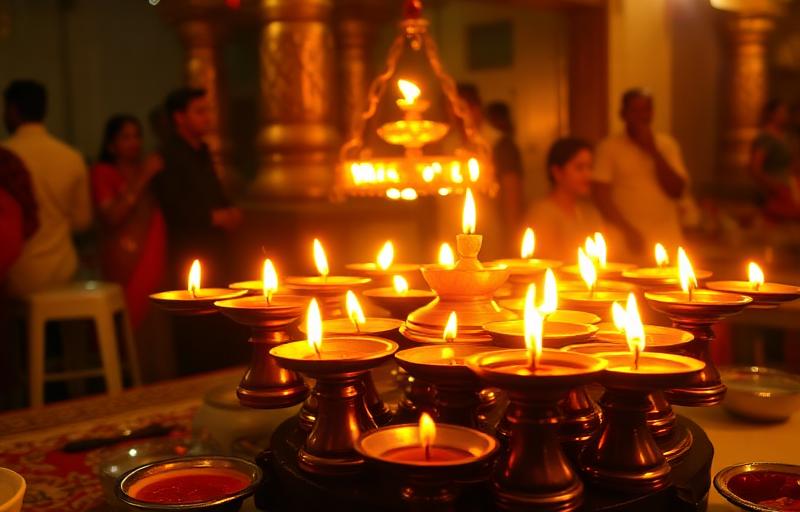
Across Mumbai, thousands of pandals rise in the weeks before the festival, ranging from modest lane-corner setups to elaborate structures that draw crowds from across the city. Each is organised by a local mandal, a community group of volunteers who spend months planning decorations, arranging cultural programmes and managing the flow of devotees.
During the festival, these pandals become centres of neighbourhood life. Devotional songs play through the day, cultural competitions and performances are held in the evenings, and long queues of devotees form patiently for a glimpse of the idol within. The atmosphere is as much about community participation as it is about worship.
Ganeshotsav in Mumbai Today
Today's Ganeshotsav in Mumbai blends deep tradition with modern life. Families balance old rituals passed down through generations with newer concerns, such as choosing eco-friendly idols or supporting mandals that manage crowds and traffic responsibly during the busiest days of the festival.
Television, social media and constant coverage have made events like the visarjan processions of the city's best-known pandals visible far beyond Mumbai, yet at its heart, the festival remains what it has always been: an act of shared devotion carried out block by block, home by home, across the entire city.
What Ganeshotsav Teaches Us
At its core, Mumbai's Ganeshotsav is a reminder that devotion grows stronger when shared. A festival that began quietly within homes has, over generations, become an occasion where an entire city turns its attention toward one another and toward the divine at the same time.
Devotees across the city greet Ganesha's arrival each year with the joyful chant Ganpati Bappa Morya, and offer him the simple prayer Om Gam Ganapataye Namah, seeking his blessings not just for themselves, but for the wellbeing of the whole community around them.
What People Ask Most
Why did Ganesh Chaturthi become a public festival in Mumbai?+
Ganesh Chaturthi grew into a public celebration following the efforts of Lokmanya Tilak, who encouraged communities to celebrate together in shared public spaces, and the idea spread strongly to Mumbai where local mandals took it forward.
How long does Ganeshotsav last?+
Ganeshotsav traditionally runs for ten days, from Ganesh Chaturthi to Anant Chaturdashi, though many households observe shorter durations of a day and a half, five or seven days according to family tradition.
What makes Mumbai's Ganeshotsav unique?+
The scale and density of Mumbai's public celebrations, with thousands of pandals across the city and enormous community participation, make its Ganeshotsav one of the most vibrant expressions of the festival anywhere in India.
About the author
Pandit Mahesh Trivedi · Festival Traditions & Panchang
Pandit Mahesh leads the festival-date and Panchang content on Vandnaa. He cross-references multiple regional panchangs (Drik, Vaishnava, Bengali, Marathi) for every festival date published on the site.
Meet the Vandnaa editorial team →