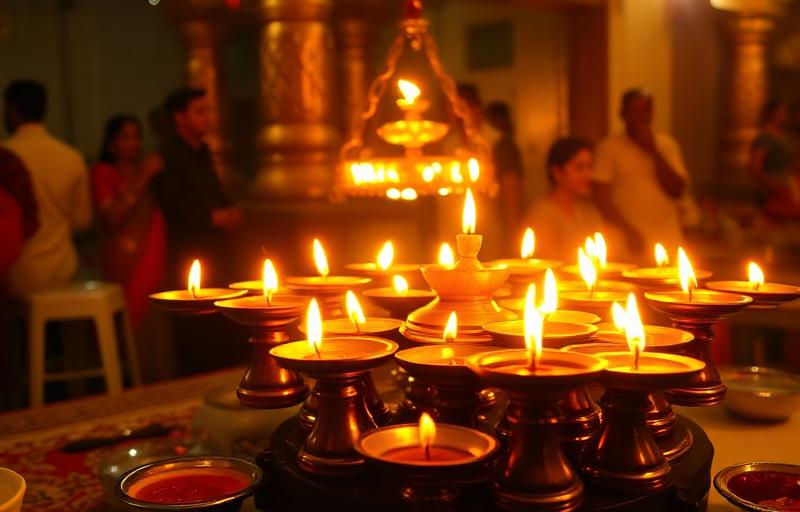
What Is Magh Maas
Magh Maas is the eleventh month of the Hindu lunar calendar and falls roughly across January and February. It is celebrated as the great month of holy snan (bathing) and daan (charity), when the early-winter waters are considered especially purifying. Devotees take ritual baths at sacred rivers - above all at the Sangam in Prayagraj - and dedicate the month to bathing, fasting, charity and worship of Lord Vishnu and the Sun.
Significance of Magh Maas
Scriptures hold that in Magh the sacred rivers carry the essence of all holy waters, so a simple bath at dawn earns the merit of many pilgrimages. The month is associated with purification of body and mind and with letting go of past faults. Many devotees undertake Kalpvas - living simply near the Sangam for the full month in prayer and restraint - making Magh one of the most spiritually intense months of the year.
Magh Snan at the Sangam
Magh snan is the heart of the month. Each morning before sunrise, devotees bathe in a holy river while chanting the names of Vishnu and Surya, then offer water (arghya) to the rising Sun. The grandest gathering is the Magh Mela at the Sangam in Prayagraj, where the Ganga, Yamuna and unseen Saraswati meet. Those who cannot travel may bathe at home with a few drops of holy water and the same devotion, which is believed to carry equal grace.
Mauni Amavasya and Key Days
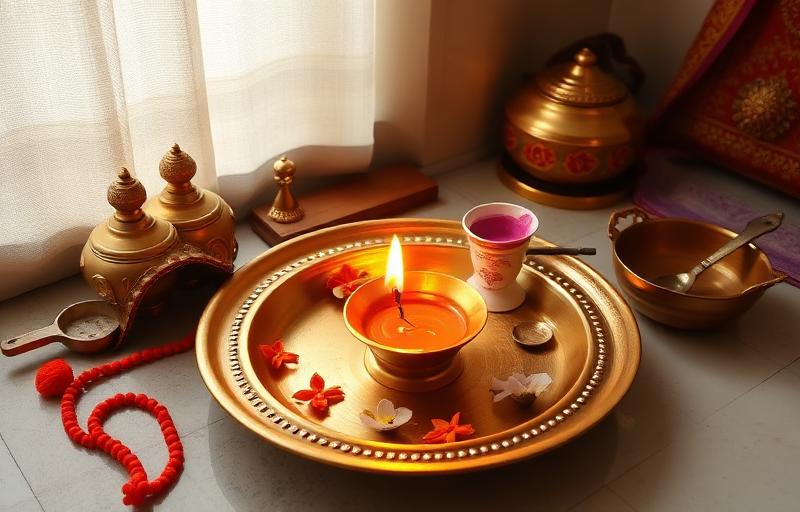
Magh holds several sacred days: 1. Mauni Amavasya - the great day of silence (maun) and the most auspicious bath of the month. 2. Vasant Panchami - worship of Maa Saraswati and the welcome of spring. 3. Magha Saptami (Ratha Saptami) - dedicated to Surya, the Sun god. 4. Bhishma Ashtami and Magh Purnima - days of charity and the close of Kalpvas. Please confirm exact dates with a current Panchang, as they change each year with the lunar calendar.
Daan and Surya Worship
Charity is as central to Magh as bathing. Devotees commonly donate sesame (til), blankets, warm clothes, food grains, jaggery and money to the needy in the cold season. Offering arghya to the Sun with water mixed with a little roli and red flowers, while chanting Om Suryaya Namah, is a cherished daily practice. Til and gud (jaggery) are eaten and given in Magh as symbols of warmth, health and shared blessing.
Magh Niyam - Do's and Don'ts
Do: bathe early each day, offer arghya to the Sun, chant Vishnu and Surya names, eat simple satvik food, give til, warm clothes and food in charity, and keep silence where you can, especially on Mauni Amavasya.
Don't: indulge in non-vegetarian food, alcohol, anger or harsh speech, and do not let the morning bath lapse. The spirit of Magh is purity, restraint and generous giving.
Benefits of Magh Worship
Magh snan, daan and worship are believed to wash away past sins, purify the mind, and bring health, peace and divine grace. The discipline of early bathing, charity and silence steadies the mind and cultivates humility and gratitude. For those who keep the niyam sincerely, Magh is said to grant merit equal to long pilgrimages and to bless the home with harmony through the year.
Reader Questions Answered
Which months does Magh Maas fall in?+
Magh is the eleventh Hindu lunar month and falls roughly across January and February in the Gregorian calendar. Exact dates change each year, so confirm them with a current Panchang.
What is Magh snan?+
Magh snan is the holy bath taken each morning before sunrise in a sacred river, above all at the Sangam in Prayagraj, while chanting Vishnu and Surya names. It is believed to earn the merit of many pilgrimages.
What is Mauni Amavasya?+
Mauni Amavasya is the new-moon day in Magh observed in silence (maun). It is the most auspicious bathing day of the month, when devotees take a holy dip, stay silent and give generously in charity.
What should be donated in Magh Maas?+
In the cold season devotees donate sesame (til), blankets, warm clothes, food grains, jaggery and money to the needy. Til and jaggery are especially given as symbols of warmth, health and shared blessing.
Why is Surya worshipped in Magh?+
Magh is linked to the Sun's growing strength after winter, marked by Ratha Saptami. Offering arghya to the rising Sun with water, roli and red flowers while chanting 'Om Suryaya Namah' is a cherished daily practice.
What are the benefits of Magh worship?+
Magh snan, daan and worship are believed to wash away past sins, purify the mind, and bring health, peace and divine grace. Keeping the niyam sincerely is said to grant merit equal to long pilgrimages.
About the author
Pandit Mahesh Trivedi · Festival Traditions & Panchang
Pandit Mahesh leads the festival-date and Panchang content on Vandnaa. He cross-references multiple regional panchangs (Drik, Vaishnava, Bengali, Marathi) for every festival date published on the site.
Meet the Vandnaa editorial team →Explore on Vandnaa
Related Articles
Vishnu Aarti Lyrics - Om Jai Jagdish Hare in Hindi & English
8 min read
Gayatri Mantra Meaning, Benefits & How to Chant (गायत्री मंत्र)
12 min read
Vishnu Sahasranama: The 1000 Names of Vishnu - Meaning, Benefits & Daily Recitation Vidhi
12 min read

Paush Maas - Significance, Surya Puja & Niyam
8 min read
Kartik Maas - Significance, Puja Niyam & Benefits
9 min read
Sawan (Shravan) Month - Significance, Puja & Rules
9 min read