Who is Manakamana Devi
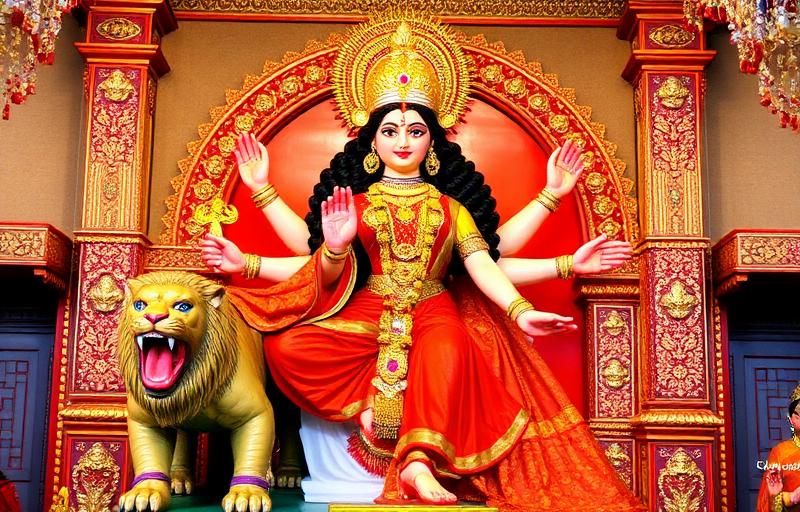
Manakamana literally means "wish" (mana) and "fulfilling" (kamana), and the temple is dedicated to the Goddess in her form as Bhagwati, an aspect of Devi. Situated atop a hill in the Gorkha district of Nepal, the temple is one of the most visited Shakti shrines in the country, believed by devotees to grant the sincere wishes of those who come with a pure heart and unwavering faith.
The deity is worshipped here not as a distant power but as a compassionate mother who listens closely to her children's prayers, whether for family wellbeing, prosperity, or resolution of life's difficulties.
History and the Legend
According to local tradition, the temple's origin is connected to a queen of the Gorkha royal family who, after her passing, is believed to have manifested her divine nature as the Goddess. A local farmer is said to have later discovered a stone from which milk and blood flowed, which villagers understood as a sign of the Goddess's presence, and a shrine was established at the site.
The temple, built in the traditional pagoda style, has since become one of the most beloved pilgrimage destinations in Nepal, with devotees making the journey both for personal prayers and as part of long-held family tradition.
Significance and What Devotees Pray For
Devotees travel to Manakamana with heartfelt wishes, often related to family happiness, health, prosperity or the birth of children, and it is customary for many to return afterward to offer thanks once their prayer, as they believe, has been answered.
Common prayers offered at Manakamana include:
- Fulfilment of sincere personal or family wishes
- Blessings for a happy married life and children
- Protection and prosperity for the household
- Gratitude offerings on a return visit after a wish is believed fulfilled
As tradition reminds devotees, it is the sincerity of the wish and the purity of intent, not any transaction, that the Goddess is believed to honour.
Darshan Guide - Timings and Festivals
The temple opens early in the morning and remains open through the day for darshan, following timings typical of major Devi shrines in the region. It is especially crowded during Dashain, the major Nepali festival honouring the Goddess, when devotees travel from across the country to seek her blessings.
The temple also sees a steady flow of visitors throughout the year, many combining darshan with the scenic cable car journey that has made Manakamana more accessible in recent decades.
How to Reach Manakamana
Manakamana is located in the Gorkha district of Nepal, along the Prithvi Highway between Kathmandu and Pokhara. The most popular way to reach the temple is by cable car from the base station at Cheres, which offers scenic views of the surrounding hills and rivers. Devotees who prefer can also make the traditional trek on foot, a route long favoured by pilgrims before the cable car was built.
The base station is easily reached by road from both Kathmandu and Pokhara, making it a convenient stop for travellers moving between the two cities.
Mantra to Chant and the Takeaway
Devotees at Manakamana often chant Om Aim Hreem Kleem Chamundaye Vichche, a mantra associated with the Devi, or simply offer heartfelt prayers to Bhagwati with folded hands.
Manakamana teaches devotees that faith and sincerity, more than grandeur, are what the Goddess responds to. A humble prayer offered with a true heart is, as tradition holds, never overlooked.
Frequently Asked Questions
What does Manakamana mean and why is the goddess worshipped here?+
Manakamana means 'wish fulfilling'. The Goddess, worshipped here as Bhagwati, is believed by devotees to grant sincere wishes offered with faith, which is why devotees often return after their prayers are answered to offer thanks.
How do devotees usually travel to Manakamana Temple?+
Most devotees travel by cable car from the base station at Cheres, located along the highway between Kathmandu and Pokhara, though some still choose the traditional trek on foot as pilgrims did for generations.
When is the best time to visit Manakamana?+
The temple can be visited throughout the year, but it is especially significant and crowded during Dashain, Nepal's major festival honouring the Goddess.
About the author
Pandit Ravindra Sharma · Vedic Rituals & Bhakti, 22+ years
Pandit Ravindra is the Vandnaa editorial team's resident specialist on aarti, chalisa, and daily devotion. He has performed home and temple pujas across Varanasi and Delhi for over two decades and contributes the bhakti-focused articles on this site.
Meet the Vandnaa editorial team →