Who is Worshipped at Manibandh
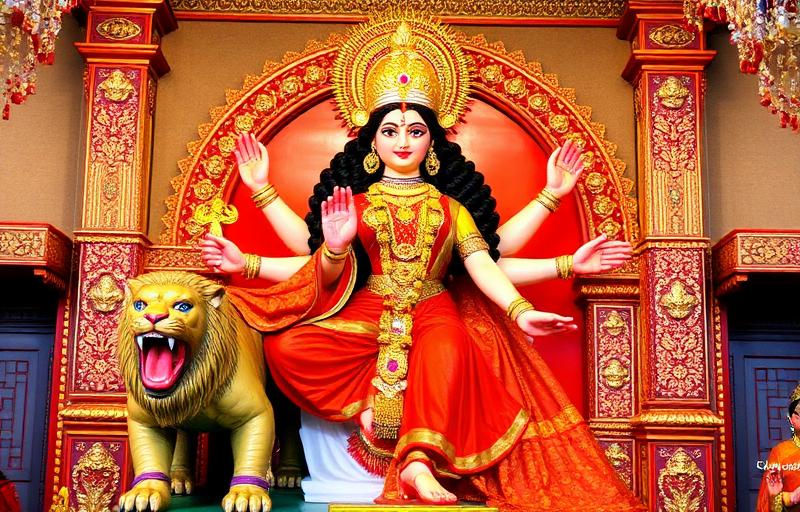
Manibandh Shakti Peeth stands quietly on the Gayatri hills near the sacred town of Pushkar in Rajasthan, close to the famous Gayatri Mata temple that crowns the same hill. Here, the Devi is worshipped as Gayatri or Chandrabhaga, in keeping with local temple tradition.
Though often visited alongside the more famous Pushkar pilgrimage circuit, Manibandh holds its own distinct place as one of the 51 Shakti Peethas of the Devi.
The Legend Behind the Shrine
As per Shakti Peeth tradition, it is believed that the wrist (manibandh, meaning 'the binding of the wrist bangle') of Sati fell at this spot, following the events of Daksha's yagna and Lord Vishnu's intervention that ended Shiva's grief-stricken wandering with her body. The very name of the shrine is drawn directly from this sacred association.
The Bhairava worshipped alongside the Devi here is known as Sarvanand, continuing the pairing found across every Shakti Peeth in the tradition.
Significance and What Devotees Seek
Devotees visiting Manibandh seek the Devi's blessings for marital harmony and the well-being of their families, given the shrine's association with the wrist, traditionally linked in Hindu custom to bangles worn by married women as a symbol of marital blessing.
As per tradition:
- Devotees pray for marital harmony and family well-being
- The shrine's name and legend are directly tied to Sati's wrist
- A visit here is often combined with the wider Pushkar pilgrimage
Worship here, as at every Shakti Peeth, is an act of faith and love, not a transaction.
Darshan Guide and Festivals

Manibandh sees devotees throughout the year, with a noticeable rise during Navratri and when pilgrims visit Pushkar for its famous lake and the Brahma temple, extending their journey up the Gayatri hills for darshan here as well.
The climb up the hill offers not just a spiritual visit but also a scenic view over Pushkar town and its lake below, making it a peaceful stop on the pilgrimage circuit.
How to Reach
The shrine is located atop the Gayatri hills on the outskirts of Pushkar, a short climb from the town center. Pushkar itself is well connected by road to Ajmer, with Ajmer serving as the nearest railway station and having its own domestic airport nearby.
Most pilgrims combine their visit to Manibandh with the broader Pushkar pilgrimage, which includes the Brahma temple and the sacred Pushkar lake.
Mantra to Chant and a Closing Thought
Devotees offer their prayers with the simple invocation: "Om Chandrabhagayai Namah" (Salutations to Goddess Chandrabhaga)
This mantra is chanted seeking the goddess's blessings for a harmonious and protected household.
Manibandh reminds devotees that even a small, quiet shrine on a hillside carries within it the same sacred weight as the grandest of temples, for the Devi's presence is complete wherever true devotion seeks her.
What People Ask Most
Why is this shrine called Manibandh?+
The name Manibandh, meaning 'the binding of the wrist bangle', comes from the tradition that Sati's wrist fell at this spot, making it one of the 51 Shakti Peethas.
How is Manibandh connected to Pushkar's pilgrimage circuit?+
Manibandh is located on the Gayatri hills on the outskirts of Pushkar, and most pilgrims combine their visit here with the wider Pushkar circuit, including the Brahma temple and the sacred lake.
What do devotees pray for at Manibandh?+
Devotees pray for marital harmony and family well-being, drawing on the shrine's association with the wrist and the bangles traditionally worn by married women.
About the author
Acharya Vinaya Kapoor · M.A. Sanskrit, Mantra & Stotra Studies
Acharya Vinaya holds an M.A. in Sanskrit from Banaras Hindu University and writes the mantra and stotra commentary on Vandnaa. Her focus is on accurate pronunciation, traditional context, and helping modern readers connect with classical texts.
Meet the Vandnaa editorial team →