Why a Mantra Before Travel
Every journey carries some uncertainty - roads, weather, vehicles and unknown places. In Hindu tradition, beginning travel with a mantra is a way to place the journey in the hands of the divine and steady the mind with faith. Lord Krishna, the eternal sarathi (charioteer), and Hanuman, the swift remover of obstacles, are the deities most lovingly invoked before setting out for safe passage and a peaceful return.
Krishna Mantras for Safe Travel
Lord Krishna is the divine charioteer who guided Arjuna safely through the greatest of struggles, so devotees invoke him for protection on every road. Chant before leaving:
Om Sri Krishnaya Namah
Om Namo Bhagavate Vasudevaya
The second is the powerful dwadashakshara (twelve-syllable) mantra. Recite either 108 times on a tulsi mala, ideally facing east, surrendering the journey to him with the prayer that he be your unseen sarathi.
Hanuman Mantras Before a Journey
Hanuman, who crossed the ocean in a single leap, is the great protector of travellers from danger, fear and obstacles. Many devotees recite the Hanuman Chalisa or chant before stepping out:
Om Hanumate Namah
Om Han Hanumate Namah
Reciting one Hanuman Chalisa or the mantra 11 or 108 times before a journey is a much-loved tradition for courage and safety. Tuesday and Saturday are especially dear to Hanuman.
Step-by-Step Jap Vidhi
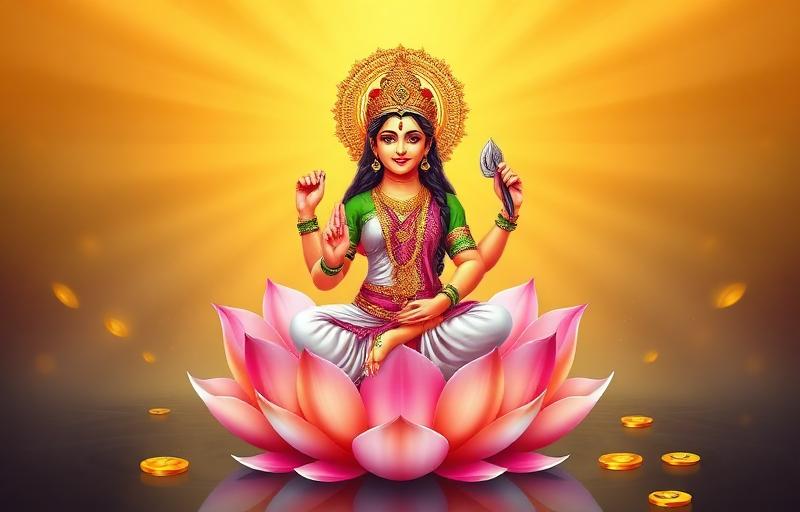
1. Before leaving, bathe or wash your hands and face, and stand before your home shrine. 2. Light a small ghee lamp or an incense stick and fold your hands. 3. Take a sankalp (intent) - silently name your destination and pray for safe travel and return. 4. Chant your chosen mantra 108 times on a mala, or recite one Hanuman Chalisa. 5. Touch the feet of elders for their blessing and seek the blessing of your ishta devata. 6. Step out with the right foot first, carrying the mantra quietly in your mind on the way.
Supporting Practices for the Road
Beyond the mantra, simple acts deepen the protection of faith. Keep a small image of your ishta devata or a Hanuman yantra in your vehicle. Offer a coconut or sweets at a temple before a long trip, and feed the needy or animals on the morning of travel. Many families recite Om Namo Bhagavate Vasudevaya together once before a long road or pilgrimage, turning the journey itself into a shared prayer.
Travel with Faith, Not Fear
A mantra is not a charm that removes all care - it is a way to travel with a calm, surrendered heart, and it always goes hand in hand with worldly caution. Wear your seatbelt, rest when tired and follow every safety rule. The mantra steadies your mind so you act wisely, while you trust the divine to guide the rest of the way.
Frequently Asked Questions
Which mantra is best for safe travel?+
'Om Sri Krishnaya Namah' and 'Om Namo Bhagavate Vasudevaya' for Lord Krishna, and 'Om Hanumate Namah' or the Hanuman Chalisa for Hanuman, are all loved for journey protection. Choose the one closest to your heart.
How many times should I chant before a journey?+
Chanting 108 times on a mala is the traditional count. If time is short, even 11 repetitions or one Hanuman Chalisa with sincere faith before leaving is considered enough.
Why is Hanuman invoked before travel?+
Hanuman crossed the ocean in a single leap and removes obstacles, fear and danger. He is the swift protector of travellers, so devotees seek his blessing for courage and a safe road, especially on Tuesdays and Saturdays.
Can I chant the travel mantra in my mind on the way?+
Yes. Silent mental chanting (manas jap) while travelling is encouraged and keeps the mind calm and focused. It needs no mala or set place and can be done at any moment of the journey.
Does a mantra guarantee a safe journey?+
A mantra is an act of faith and surrender, not a guarantee. It steadies the mind and invites divine grace, but it must always go with sensible caution like seatbelts, rest and following safety rules.
What should I keep in my vehicle for protection?+
A small image of your ishta devata or a Hanuman yantra is commonly kept. Many also offer a coconut at a temple before long trips and feed animals or the needy on the morning of travel.
About the author
Acharya Vinaya Kapoor · M.A. Sanskrit, Mantra & Stotra Studies
Acharya Vinaya holds an M.A. in Sanskrit from Banaras Hindu University and writes the mantra and stotra commentary on Vandnaa. Her focus is on accurate pronunciation, traditional context, and helping modern readers connect with classical texts.
Meet the Vandnaa editorial team →Explore on Vandnaa
Related Articles
Hanuman Chalisa Lyrics in Hindi & English (हनुमान चालीसा)
12 min read
Hanuman Aarti Lyrics in Hindi & English - Aarti Kije Hanuman Lala Ki
9 min read
Krishna Aarti Lyrics in Hindi & English - Aarti Kunj Bihari Ki
9 min read
108 Names of Lord Krishna: Complete List with Meaning, Benefits & How to Chant Daily
12 min read

Mantra to Remove Black Magic & Negative Energy - Vidhi
9 min read
Mantra for Family Harmony & Peace at Home - Vidhi & Meaning
9 min read