What Is Margashirsha Maas and When Does It Fall in 2026
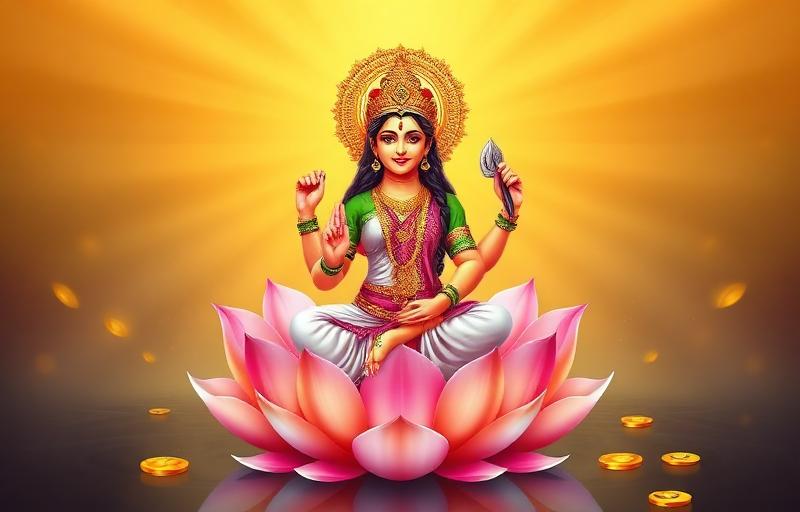
Margashirsha, called Agahan in much of North India, is the ninth month of the Hindu lunar calendar, and in 2026 it falls roughly across November and December. The name comes from the Mrigashira nakshatra, near which the full moon of this month rises. Winter settles in, the air turns crisp before dawn, and the tradition holds that this is the finest season of the year for early morning sadhana. Margashirsha carries Utpanna Ekadashi, Vivah Panchami, Champa Shashti, Gita Jayanti with Mokshada Ekadashi, Dattatreya Jayanti and Annapurna Jayanti. As always, these follow lunar tithis that shift each year, so confirm every date on the Vandnaa Panchang before planning your vrats. Across India it is remembered as a quiet, clear-skied stretch made for discipline - the field work of the year largely done, the nights long, and the heart free to turn inward toward the Lord who calls this month his own.
'Of Months I Am Margashirsha' - Krishna's Own Words
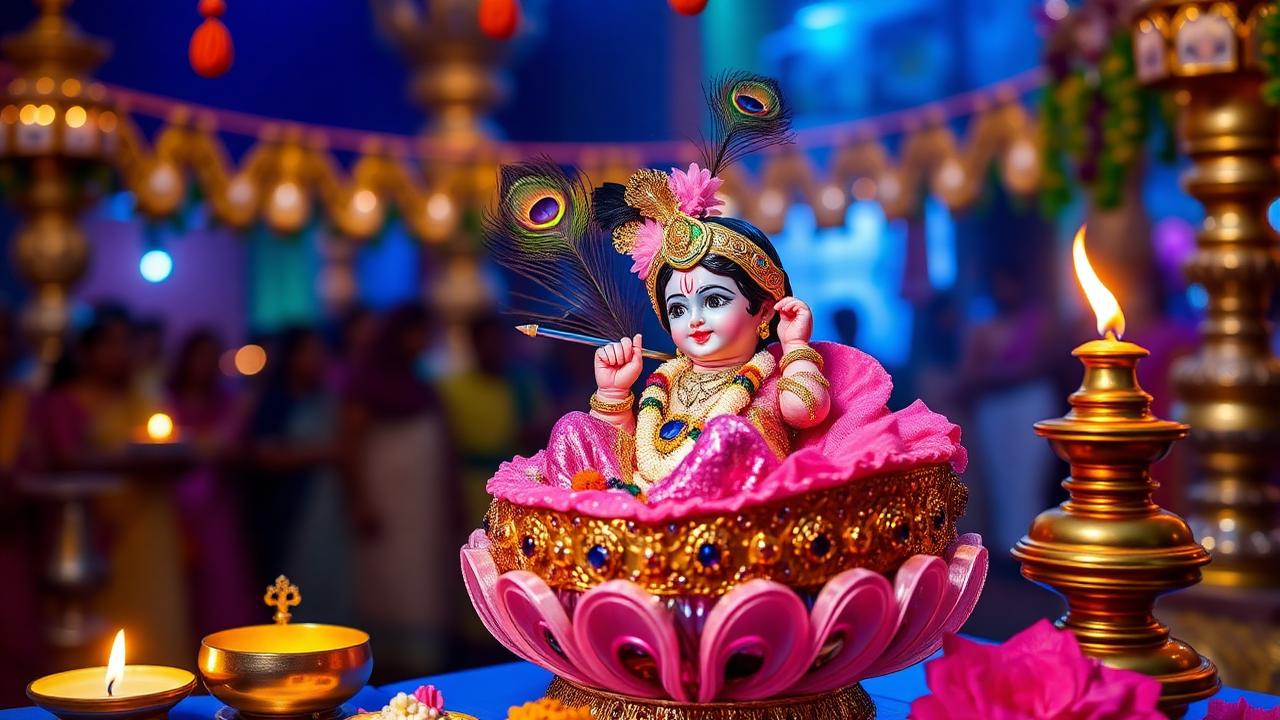
Margashirsha is the only month the Lord names as himself. In the Vibhuti Yoga of the Bhagavad Gita (10.35), Shri Krishna declares: 'maasanam margashirsho 'ham ritunam kusumakarah' - 'Of months I am Margashirsha; of seasons, the flower-bearing spring.' When Krishna lists his glories - the Ganga among rivers, Om among words, the Himalaya among the immovable - he chooses this month as his presence in time itself. The Shrimad Bhagavata adds that the gopis of Vraja performed the Katyayani vrat in Margashirsha, bathing in the Yamuna before sunrise and praying for Krishna, which is why early morning snan in this month is treasured. To live Margashirsha devotionally is, quite literally, to live inside a form of Krishna. The temples of Vrindavan and Braj treat the whole month as special seva of Krishna, holding Gita discourses and early morning darshans through these cold, clear weeks.
Major Festivals and Vrats of Margashirsha 2026
The sacred days of Margashirsha, in the order they arrive: 1. Utpanna Ekadashi (Krishna Paksha) - the day Ekadashi Devi herself is said to have appeared from Lord Vishnu to destroy the demon Mura; a powerful fast for new beginnings in devotion. 2. Vivah Panchami (Shukla Panchami) - the wedding anniversary of Lord Rama and Mata Sita, celebrated grandly in Ayodhya and Janakpur. 3. Champa Shashti (Shukla Shashti) - dedicated to Khandoba (Martanda Bhairava), a form of Shiva, especially in Maharashtra and Karnataka. 4. Gita Jayanti / Mokshada Ekadashi (Shukla Ekadashi) - the day Krishna spoke the Bhagavad Gita to Arjuna at Kurukshetra. 5. Dattatreya Jayanti (Purnima) - appearance of Bhagavan Dattatreya, the combined form of Brahma, Vishnu and Shiva. 6. Annapurna Jayanti (Purnima) - gratitude to the Goddess who feeds all. Confirm each tithi on the Vandnaa Panchang. Regional traditions add their own observances, so ask your family purohit what your lineage keeps.
Gita Jayanti - The Month's Crown
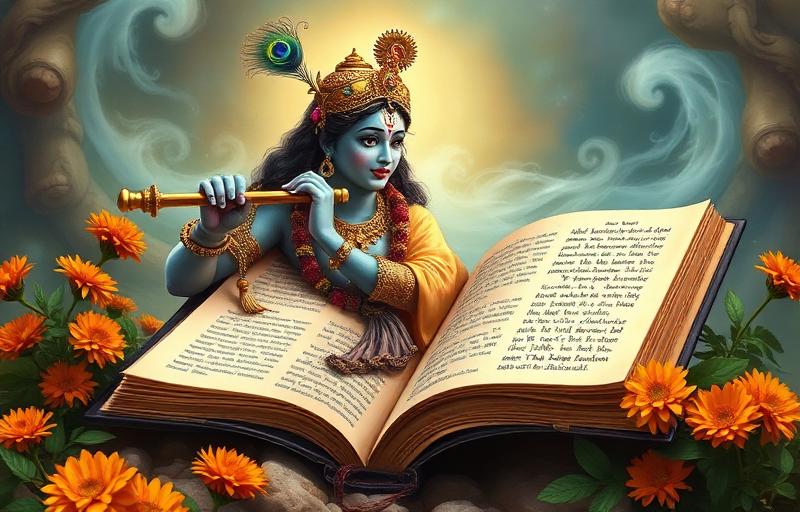
On Mokshada Ekadashi, tradition holds, Shri Krishna spoke the Bhagavad Gita to Arjuna on the field of Kurukshetra. It is the only scripture in the world with a birthday, and Margashirsha is its month. The most fitting observance is simple: begin a Gita path in Margashirsha. Read one chapter a day and the eighteen chapters complete within the month; or read the whole Gita on Gita Jayanti itself, alone or in a group recitation. Those new to it can start with Chapter 12 (Bhakti Yoga), just twenty verses on the path of love. Keep the Mokshada Ekadashi fast alongside, and gift a copy of the Gita to someone - the shastras count Gita daan among the highest gifts of knowledge. If reading alone feels dry, join a Gita Jayanti group recitation at a nearby temple or online; hearing the eighteen chapters rise in many voices together is an experience that stays for life.
Daily Practices - Early Snan, Gita Path and Krishna Japa
Margashirsha's niyam centre on the early morning: 1. Brahma muhurat snan - rise before dawn and bathe early, as the gopis did for the Katyayani vrat; remember the Yamuna and Ganga as you pour the first water. 2. Gita path - one chapter daily, completing the Gita within the month. 3. Japa - chant Om Namo Bhagavate Vasudevaya, the Hare Krishna mahamantra, or 108 names of Krishna daily; Vishnu Sahasranama on Ekadashi is especially praised. 4. Daan - winter giving is dearest now: blankets, warm clothing, food and ghee for lamps. 5. Vrat - keep Utpanna and Mokshada Ekadashi with a light, satvik diet. 6. Deity focus - Krishna and Vishnu above all, with Rama-Sita remembered on Vivah Panchami and Dattatreya on Purnima. 7. Tulsi seva - daily watering and an evening diya beside Tulsi. In the winter cold, even rising fifteen minutes earlier than usual is tapasya - begin there, and let the month deepen it.
What to Avoid in Margashirsha
Restraint keeps the month's sweetness intact: 1. Avoid late rising - the month's special merit lies in the pre-dawn hours, and sleeping through them wastes its greatest gift. 2. Avoid tamasic food - meat, alcohol, onion and garlic for vrat keepers - and avoid rice on the two Ekadashis, as the shastras specifically advise. 3. Do not let the Gita path become mechanical; a single verse understood is better than a chapter rushed. 4. Avoid harsh speech and quarrels, for a month identified with the Lord himself should not carry bitterness. 5. Avoid wasting food - in the month of Annapurna Jayanti, every grain is sacred prasad. 6. With Chaturmas over, weddings resume, but still confirm muhurats with your purohit and the Vandnaa Panchang rather than assuming any date. Kept gently, these restraints stop feeling like rules and begin to feel like Krishna's own company through the month.
Living Margashirsha Devotionally
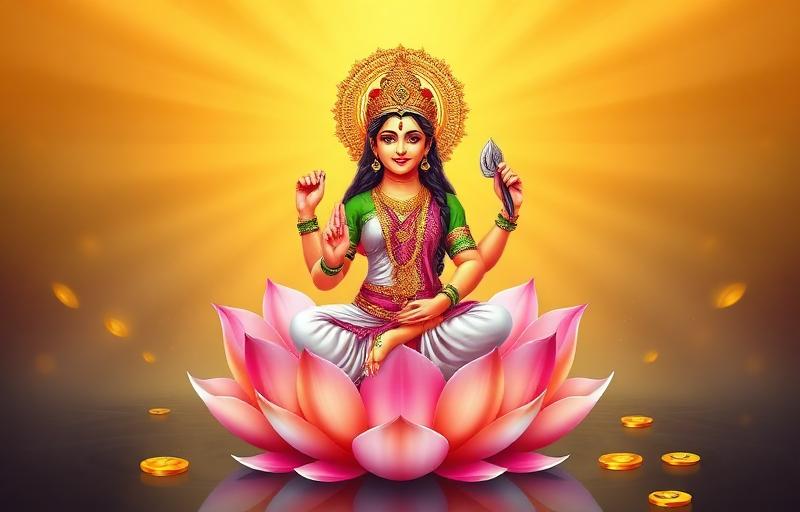
If Krishna says 'I am Margashirsha', then every dawn of this month is darshan. Build the month around three small constancies: the early bath, one Gita chapter, one mala of Krishna japa. Let Utpanna Ekadashi mark a fresh sankalpa, sing of Rama and Sita's wedding on Vivah Panchami, and on Gita Jayanti sit with the scripture as if Kurukshetra were your own heart's field - because it is. Close the month on Dattatreya and Annapurna Jayanti with gratitude for guru and for food. No grand pilgrimage is required; the month itself has come to you. The Vandnaa app offers Krishna mantras, aarti and the Panchang so each tithi of his own month is kept with care. If you keep only one practice this Margashirsha, keep the daily chapter of the Gita; by the month's end you will have heard the Lord speak the whole of his heart to you, in his own favourite month.
Common Questions From Devotees
When does Margashirsha Maas 2026 fall?+
Margashirsha, also called Agahan, is the ninth Hindu lunar month and in 2026 falls roughly across November and December. As with all lunar months, its exact boundaries and festival days follow tithis that shift each year and differ slightly between Purnimanta and Amanta calendars, so confirm every date on the Vandnaa Panchang.
Where does Krishna call Margashirsha his favourite month?+
In Bhagavad Gita 10.35, in the Vibhuti Yoga chapter, Krishna says 'maasanam margashirsho 'ham ritunam kusumakarah' - 'Of months I am Margashirsha; of seasons, the flower-bearing spring.' He names this month among his own divine manifestations, alongside the Ganga among rivers and Om among words, making it uniquely sacred in the Hindu year.
How should I do the Gita path in Margashirsha?+
The simplest method is one chapter a day, which completes all eighteen chapters within the month. Read after your morning bath, with a short Krishna japa before and after. On Gita Jayanti (Mokshada Ekadashi), many devotees recite the entire Gita or join group recitations. Beginners can start with Chapter 12, Bhakti Yoga, and a good Hindi translation. Taking a small sankalpa on Utpanna Ekadashi to complete the path within the month gives the reading a vow's steadiness.
What is Utpanna Ekadashi and why is it special?+
Utpanna Ekadashi falls in the Krishna Paksha of Margashirsha and marks the appearance of Ekadashi Devi herself, who emerged from Lord Vishnu to destroy the demon Mura. Tradition treats it as the origin of all Ekadashi vrats, so many devotees who wish to begin keeping Ekadashi for the first time start from this very day.
What is Vivah Panchami?+
Vivah Panchami, on Margashirsha Shukla Panchami, celebrates the divine wedding of Lord Rama and Mata Sita. Ayodhya and Janakpur in Nepal hold grand celebrations, and devotees read the wedding episode from the Ramcharitmanas or sing wedding kirtans at home. It is observed as a day of prayer for harmony and dharma in married life.
Which japa is best in Margashirsha?+
Since the month belongs to Krishna, the best japa is Om Namo Bhagavate Vasudevaya or the Hare Krishna mahamantra, 108 times daily after the early morning bath. Chanting Krishna's 108 names, or the Vishnu Sahasranama on Ekadashi days, multiplies the month's merit. The Vandnaa app provides these mantras with audio and a japa counter. Whichever mantra you choose, keep the same one through the month; steadiness of one name goes deeper than variety of many.
About the author
Pandit Mahesh Trivedi · Festival Traditions & Panchang
Pandit Mahesh leads the festival-date and Panchang content on Vandnaa. He cross-references multiple regional panchangs (Drik, Vaishnava, Bengali, Marathi) for every festival date published on the site.
Meet the Vandnaa editorial team →