Who is Mundeshwari Devi
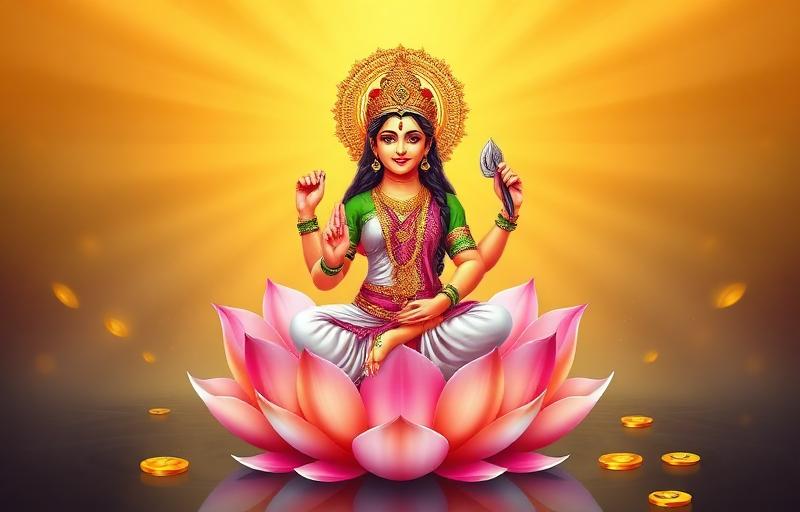
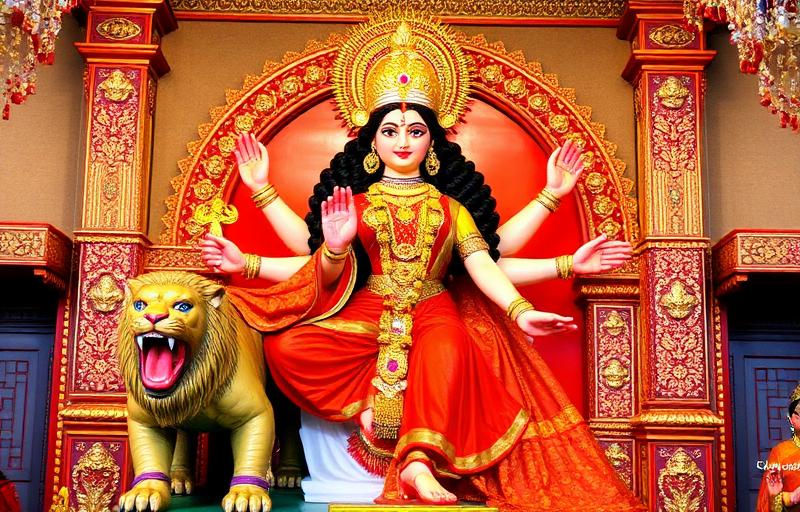
On a quiet hill called Pawra, overlooking the Kaimur range in Bihar, stands the Mundeshwari Devi Temple, one of the oldest living temples of India still in active worship. The presiding deity is worshipped as a form of the Devi, often identified with Chandi or Bhairavi, the fierce yet compassionate mother who protects her devotees.
What makes this shrine distinctive is its octagonal shape, rare among ancient Indian temples, and the presence of a four-faced Shivling installed alongside the Devi's image. This coexistence reflects a temple tradition where Shakti and Shiva are worshipped together, each incomplete without the other.
History and Katha
Tradition holds Mundeshwari among the oldest surviving temples in the country, with inscriptions and architectural style pointing to a history of many centuries, long predating most standing shrines in the region. Archaeologists and devotees alike have long marvelled at how the structure has withstood time on this modest hillock.
Local katha connects the site to the Mahishasura legend, the buffalo demon who, according to belief, was pursued and subdued by the Devi in this very region, with the hill itself considered a witness to that cosmic battle. Villagers also recall an old custom of animal sacrifice at the shrine, which in recent decades has been gently transformed by devotees and courts into an offering of pumpkin or fruit, so devotion continues in a gentler form.
Significance and What Devotees Pray For
Devotees visit Mundeshwari seeking the Devi's blessings for protection from hardship, good health and peace within the family. As a form associated with both fierce protection and motherly care, she is approached with the belief that she shields her children from unseen dangers.
Many also come simply to experience the rare stillness of a temple that has stood through so many centuries, treating the visit itself as a meditation on time, faith and the endurance of devotion across generations. As tradition holds, worship here is an act of faith and love, not a transaction.
Darshan Guide: Timings and Festivals

The temple generally follows a simple daily rhythm, opening early in the morning for the first aarti and closing after the evening aarti, with a short afternoon break in between, as is customary at most hill shrines. Devotees are advised to check locally for the exact schedule before planning a visit.
The most auspicious time to visit is during Navratri, both the Chaitra and Sharad Navratri, when the hill comes alive with chanting, decorations and a steady stream of pilgrims. Mornings and early evenings, away from the peak summer heat, are considered the most pleasant time for darshan.
How to Reach
Mundeshwari Devi Temple is located in Kaimur district of Bihar, near the town of Bhabua, and is well connected by road from both Bihar and neighbouring Uttar Pradesh. The nearest railway stations are in the Bhabua-Mohania area, from where local transport takes visitors closer to the hill.
The nearest major airports are at Varanasi and Patna, both a comfortable road journey away, making the temple accessible as part of a wider pilgrimage circuit through the region.
Puja, Mantra and Takeaway
Devotees offer simple items at Mundeshwari, flowers, fruit, a red chunri and a diya, keeping the ritual humble in keeping with the shrine's understated character. Many chant the universal Devi mantra Om Aim Hreem Kleem Chamundaye Vichche while seeking her blessings, or simply offer folded hands in silence.
Standing before a shrine that has watched over its hill for centuries is a reminder that faith does not need grandeur to endure. What matters, as tradition teaches, is the sincerity of the heart that bows before the mother.
Common Questions From Devotees
How old is Mundeshwari Devi Temple?+
According to tradition and archaeological study, Mundeshwari Devi Temple is considered one of the oldest surviving temples in India, with a history stretching back many centuries.
Which deity is worshipped at Mundeshwari?+
The temple honours a form of the Devi, often identified with Chandi or Bhairavi, worshipped alongside a four-faced Shivling.
What is the best time to visit Mundeshwari Devi Temple?+
Navratri, both Chaitra and Sharad, is considered the most auspicious time, while early mornings and evenings offer the most pleasant hours for darshan through the year.
About the author
Pandit Ravindra Sharma · Vedic Rituals & Bhakti, 22+ years
Pandit Ravindra is the Vandnaa editorial team's resident specialist on aarti, chalisa, and daily devotion. He has performed home and temple pujas across Varanasi and Delhi for over two decades and contributes the bhakti-focused articles on this site.
Meet the Vandnaa editorial team →