Who Are the Nagas in Hindu Tradition?
In Hindu tradition, nagas are revered semi-divine serpent beings, often depicted as part-human and part-snake, dwelling in a realm called Naga Loka beneath the earth or the waters. Far from being feared merely as creatures, snakes occupy a place of genuine sanctity across Hindu worship, appearing beside some of the tradition's most significant deities.
Lord Shiva wears a serpent, traditionally identified as Vasuki, coiled around his neck as an ornament of fearlessness, while Lord Vishnu reclines eternally upon Ananta Shesha, the thousand-headed cosmic serpent who supports all creation. This presence beside the greatest of gods elevates the snake from a mere animal to a profound spiritual symbol.
Nagas in Scripture and Story
Puranic tradition holds that the nagas descend from sage Kashyapa and his wife Kadru, making them kin to Garuda, Vishnu's eagle vahana, through their shared father, which explains the traditional rivalry between the two. The naga king Vasuki famously served as the churning rope during the Samudra Manthan, offering himself in service to the great churning of the cosmic ocean.
Another beloved episode is Krishna's Kaliya Daman, in which the young Krishna danced upon the hood of the venomous serpent Kaliya in the Yamuna, subduing his pride without killing him and commanding him to leave and cause no further harm. Devotees read this not as cruelty to the snake but as a lesson in transforming poison, or ego, through the touch of grace.
What the Naga Symbolizes
The snake's ability to shed its skin and emerge renewed has made it a natural symbol of time, cyclical rebirth, and the eternal nature of the soul across Hindu thought. As Ananta Shesha, meaning endless, the serpent beneath Vishnu also represents infinity itself, the boundless foundation upon which all creation rests between cycles.
The coiled serpent is likewise associated with kundalini shakti, the dormant spiritual energy that yogic tradition describes as lying coiled at the base of the spine, awaiting awakening. In this sense, the naga is not only an external deity to be worshipped but also an inward symbol of latent divine energy within every seeker.
How Devotees Worship the Naga
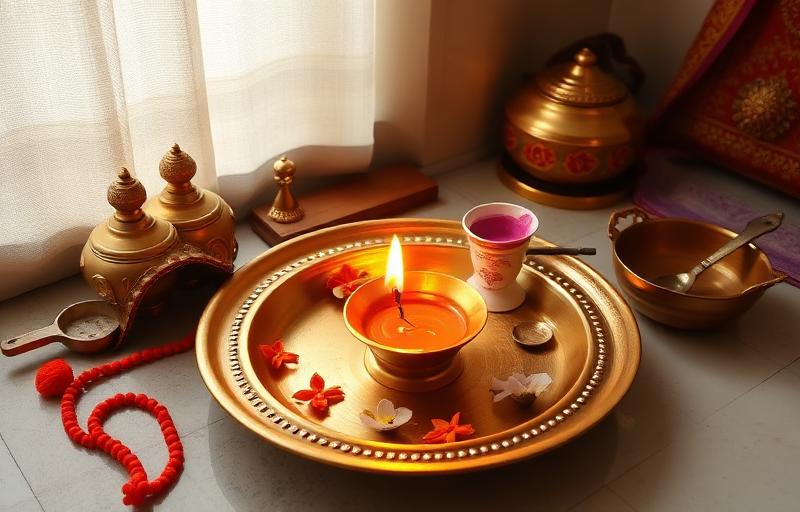
The festival of Nag Panchami, observed during the monsoon month of Shravan, is the most widespread occasion for naga worship, when devotees offer milk, flowers and prayers at snake idols, anthills, or naga temples, seeking protection from snakebite and the removal of obstacles. In many regions, stone images of intertwined nagas, called naga pratimas, are installed under sacred trees and worshipped especially by those seeking blessings for marriage or progeny.
Some devotees also perform Sarpa Dosha related prayers at temples associated with serpent worship, approaching this purely as a matter of traditional faith and ancestral reverence, rather than fear.
Significance and the Takeaway
As per tradition, devotees believe that honouring the naga brings protection from harm, removes obstacles related to fear and negativity, and invites the blessings associated with fertility and continuity of family. The snake's presence beside Shiva and Vishnu also reminds devotees that even that which is feared in the world can be transformed into an ornament of grace when placed in right relationship with the divine.
Worship of the naga, observed with reverence during Nag Panchami and throughout the year, is like all Hindu devotion an act of faith and love, not a transaction, inviting devotees to see the sacred even in creatures the world often misunderstands.
Reader Questions Answered
Why is Nag Panchami celebrated?+
Nag Panchami is celebrated to honour nagas, seek protection from snakebite and negativity, and offer gratitude to serpent deities associated with Shiva and Vishnu.
What is the significance of Ananta Shesha?+
Ananta Shesha is the thousand-headed cosmic serpent upon whom Lord Vishnu reclines, symbolizing infinity and the eternal foundation of creation.
What does the Kaliya Daman katha teach?+
The katha of Krishna subduing the serpent Kaliya without killing him teaches devotees that pride and poison, whether within others or oneself, can be transformed through grace rather than destruction.
About the author
Anjali Mehta · Editor, M.A. Religious Studies
Anjali is the managing editor for Vandnaa and oversees the festival and vrat coverage. She holds an M.A. in Religious Studies and reviews every published article for accuracy, accessibility, and tradition-fidelity.
Meet the Vandnaa editorial team →