Nagesh: Shiva as Lord of the Nagas
The Shri Nagesh Temple stands in Bandora (Bandoda) village, Ponda taluka, dedicated to Lord Shiva in his Nagesh form, the lord connected with Naga, or serpent, worship, a tradition that runs deep across coastal India where snakes are honoured as guardians of the land and its prosperity.
The temple complex also includes shrines to Devi Parvati and Lord Ganesha, along with a temple tank that adds to the sense of an ancient, continuously living place of worship.
The Legend: A Temple That Endured in Place
Unlike many of Goa's temples, which devotees remember being carried inland for safety during the Portuguese colonial era, tradition holds that Nagesh Temple remained close to its original site through the centuries, likely owing to Ponda taluka's long history of protection under Hindu rule. This makes it one of the rarer shrines in Goa where the setting itself carries an unbroken thread back through generations of worship.
The temple is also home to an ancient stone inscription, among the oldest such inscriptions found in Goa, which devotees and historians alike regard as living testimony to how long this ground has been considered sacred.
Why Nagesh Is Sacred to Devotees Today
Nagesh is approached by devotees as a protector deity, one whose serpent associations carry deep symbolism of guarded prosperity and quiet strength.
- Devotees pray for protection from harm and for relief from fears associated with snakes and hidden dangers
- Nag Panchami is observed here with particular devotion, honouring the temple's serpent associations
- The temple's antiquity and its ancient inscription make it a site of pride for the wider Ponda community
- Many pilgrims combine darshan here with visits to the temple's subsidiary shrines to Parvati and Ganesha
Darshan Guide: The Sanctum and Temple Tank
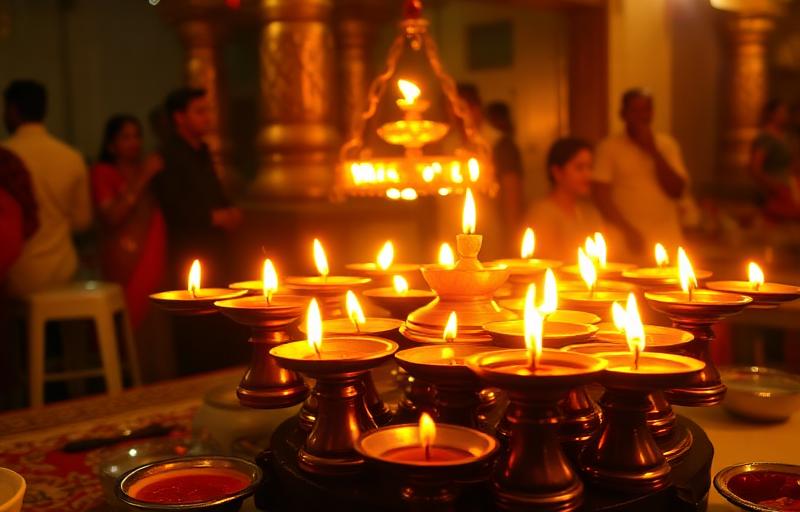
The temple is generally open from early morning until night, with a customary midday closing observed as is typical of Goan temples. The main sanctum, the subsidiary shrines and the temple tank together form a compact but deeply atmospheric complex.
Nag Panchami and Maha Shivratri are the occasions when Nagesh Temple sees its largest gathering of devotees, though the temple's quiet daily rhythm draws steady visitors throughout the year.
How to Reach Shri Nagesh Temple, Bandora
Bandora lies in Ponda taluka, close to several of Goa's other major temples, and is easily reached by road from Panaji and Margao. The nearest railway station is Karmali, and Goa's airport offers convenient onward road access.
A Simple Prayer and the Takeaway
Devotees visiting Nagesh often chant Om Namah Shivaya, offering their reverence to this ancient and enduring form of Shiva.
Nagesh reminds devotees that some forms of sacredness are found not in grandeur but in quiet endurance, the same ground honoured by the same faith across countless generations. Worship at such shrines is an act of faith and love, not a transaction.
Common Questions From Devotees
What makes Nagesh Temple unusual among Goa's shrines?+
Unlike many Goan temples that were moved inland during the Portuguese colonial era, tradition holds that Nagesh Temple remained close to its original site through the centuries.
What is significant about the temple's inscription?+
The temple houses an ancient stone inscription, among the oldest found in Goa, regarded by devotees and historians as evidence of the antiquity of worship at this site.
Which festival is especially significant at Nagesh Temple?+
Nag Panchami is observed here with particular devotion, honouring the temple's association with serpent worship.
About the author
Pandit Ravindra Sharma · Vedic Rituals & Bhakti, 22+ years
Pandit Ravindra is the Vandnaa editorial team's resident specialist on aarti, chalisa, and daily devotion. He has performed home and temple pujas across Varanasi and Delhi for over two decades and contributes the bhakti-focused articles on this site.
Meet the Vandnaa editorial team →