What Is Navadha Bhakti
Navadha Bhakti means the nine forms (or nine ways) of devotion through which a soul can love and reach the divine. It teaches that bhakti is not a single rigid practice but a wide path with many doors, so that every kind of heart can find its own way to God. The nine forms move gently from simple acts like listening and singing toward the highest step of complete self-surrender.
Source in the Scriptures
The classic list of Navadha Bhakti comes from the Bhagavata Purana, spoken by Prahlada, the child devotee of Lord Vishnu, to his father. The same nine forms are beautifully retold in Tulsidas's Ramcharitmanas, where Lord Rama himself teaches them to the tribal devotee Shabari. Because they appear in both great texts, the nine forms are honoured across all traditions of bhakti as a complete map of the loving path.
Shravana, Kirtana and Smarana
The first three forms begin the journey: 1. Shravana - listening to the names, glories and stories of God, as in katha and the Bhagavata. 2. Kirtana - singing and chanting the Lord's names and praises, alone or in sangat. 3. Smarana - remembering God constantly, keeping the divine name in the mind through the day. These simple practices fill the heart with the divine and naturally draw it away from worldly noise.
Pada-sevana, Archana and Vandana
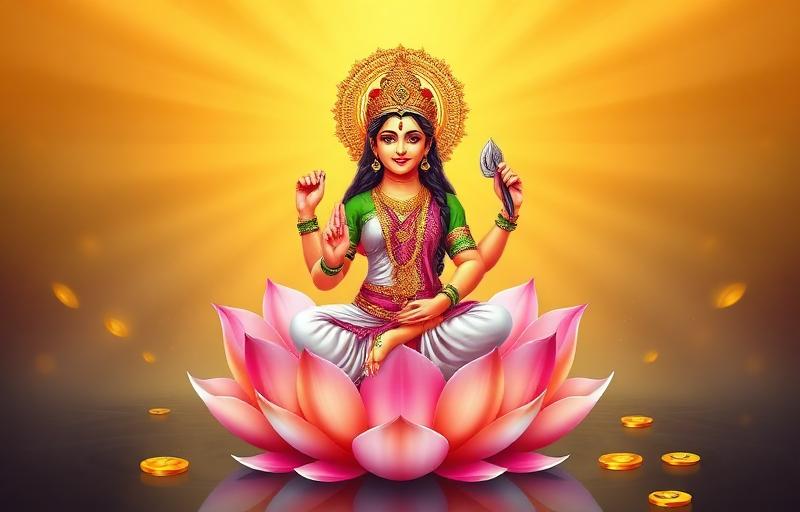
The next three deepen devotion through service and worship: 4. Pada-sevana - serving the Lord's feet, including service to saints, devotees and all beings as forms of God. 5. Archana - ritual worship with flowers, lamps, incense and offerings, as in daily puja. 6. Vandana - bowing and prayer, offering humble salutations to the Lord with body, speech and mind. Here love becomes action, turning daily worship and service into devotion.
Dasya, Sakhya and Atma-nivedana
The final three carry the devotee into the closest union: 7. Dasya - loving God as a servant loves the master, as Hanuman serves Rama. 8. Sakhya - loving God as a dear friend, as Arjuna and Sudama loved Krishna. 9. Atma-nivedana - total self-surrender, offering one's entire being, will and life to God without holding anything back. This last form is the crown of all bhakti.
Practising Navadha Bhakti Today
Navadha Bhakti is wonderfully practical for modern life, since no special qualification is needed - only sincere love. One can listen to katha while commuting, chant a name softly during the day, do a short daily puja, serve family and the needy, and end the day by surrendering worries to God. Choosing even one or two forms that suit your nature and practising them steadily is enough to grow in devotion.
Reader Questions Answered
What is Navadha Bhakti?+
Navadha Bhakti means the nine forms or ways of devotion through which a soul can love and reach God. It shows that bhakti is a wide path with many doors, suited to every kind of heart.
Where does Navadha Bhakti come from?+
The classic list comes from the Bhagavata Purana, spoken by the child devotee Prahlada. The same nine forms are retold in Tulsidas's Ramcharitmanas, where Rama teaches them to Shabari.
What are the nine forms of devotion?+
They are Shravana (listening), Kirtana (chanting), Smarana (remembering), Pada-sevana (serving), Archana (worship), Vandana (prayer), Dasya (servitude), Sakhya (friendship) and Atma-nivedana (self-surrender).
Which is the highest form of Navadha Bhakti?+
Atma-nivedana, total self-surrender, is the highest form. It means offering one's entire being, will and life to God without holding anything back, and is considered the crown of all bhakti.
Do I need special qualifications for Navadha Bhakti?+
No. Navadha Bhakti needs no special qualification, caste or learning, only sincere love. Anyone can practise one or more of the nine forms according to their nature and circumstances.
How can I practise Navadha Bhakti in daily life?+
Listen to katha, chant a divine name softly through the day, do a short daily puja, serve family and the needy, and surrender your worries to God each night. Even one or two forms practised steadily is enough.
About the author
Pandit Ravindra Sharma · Vedic Rituals & Bhakti, 22+ years
Pandit Ravindra is the Vandnaa editorial team's resident specialist on aarti, chalisa, and daily devotion. He has performed home and temple pujas across Varanasi and Delhi for over two decades and contributes the bhakti-focused articles on this site.
Meet the Vandnaa editorial team →Explore on Vandnaa
Related Articles

Saptarishi - The Seven Sages, Names & Significance
9 min read

The 18 Mahapuranas - Introduction & Significance
10 min read

Hare Krishna Maha Mantra – Lyrics, Meaning & Benefits
9 min read
Krishna's Life Lessons - Teachings for Modern Life
10 min read
Bhagavad Gita - All 18 Chapters Summary & Key Teachings
10 min read
Vishnu Sahasranama: The 1000 Names of Vishnu - Meaning, Benefits & Daily Recitation Vidhi
12 min read