The Short Version

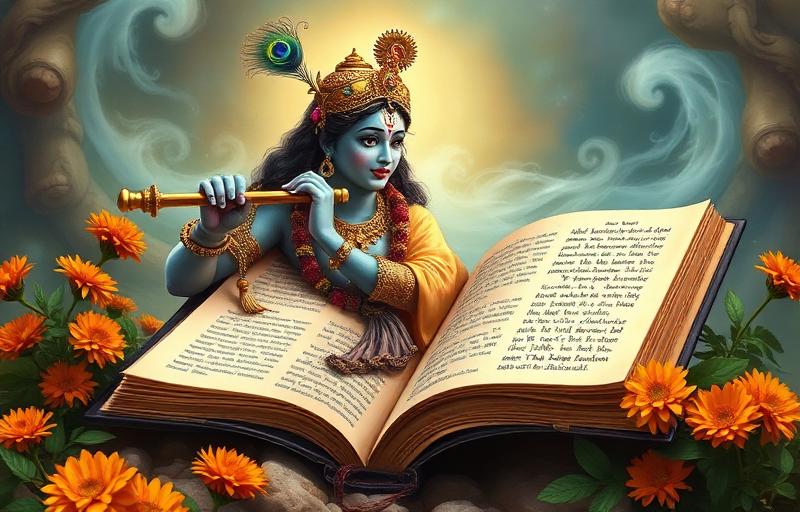
The book: the Navnath Bhaktisar, also the Navnath Grantha and Navnath Katha Sar, a Marathi verse work in forty adhyayas collecting the lives of the nine Naths and their disciples, by Malu Narhari, also given as Dhundisut Malu, usually dated around 1800. The figures in it belong to roughly the eighth to thirteenth centuries and the book is from the beginning of the nineteenth, so it is a compilation at a distance of five hundred to a thousand years, organised into continuous narrative by somebody working at the end of that process. It is not a historical source for the Naths and does not present itself as one: it is a devotional narrative work, the miracles are the genre, and it is genuinely good as narrative.
Its place: it sits alongside the Jnaneshwari, the Tukaram and Namdev gathas, the Eknathi Bhagavat and the Gurucharitra in the Marathi religious library, and it and the Gurucharitra are the two read as parayanas, with almost identical practices.
What a parayana is: a complete reading of a text, start to finish, within a set period, as a practice rather than as study. The usual forms are the saptaha over seven days with the chapters divided across them, the ekahik in a single day, and a chapter a day completing in forty. Thursday is the associated day, being guruvar, the day of the teacher. In practice: bathe first, read in a clean place, light a lamp, keep a picture, read aloud, keep the same time each day, keep food simple during the week, and on completion make an offering, share a meal and feed people.
Read aloud: it is slower so the text cannot be skimmed, it uses the body so attention has something to hold, and it can be heard by others in the house including people who cannot read, which is how these texts were transmitted for most of their existence. An older person reading aloud to a family is the actual traditional form, and it is worth arranging while there is still somebody who can do it.
On the phalashruti: read the book, which is free and good and where reading something completely with attention is a real practice with real effects on the reader, and do not expect the specific outcomes or organise your life around them. Three things follow: do not pay anybody to do a parayana for you, since the practice consists of you reading the book and a paid reading by a stranger is not the practice; do not substitute it for treatment, since an ill person needs a doctor and no text in this tradition claims to replace one; and do not read it for a result and then conclude that you failed, which is where the real harm in phalashruti material lies.
On the rules: parayana practice attracts rules about food, interruption, losing your place, menstruation and missed days, and in some households the rules become the practice and the reading becomes a source of anxiety. If you miss a day, continue; if you are interrupted, continue; if you lose your place, find it and continue; nothing bad happens. On menstruation, this app's position throughout is that it is not impurity and no woman needs to accept exclusion in her own practice. And if religious practice is producing anxiety rather than relieving it, scrupulosity is a recognised pattern closely related to obsessive compulsive disorder, it is common in every tradition and it is treatable: Tele MANAS 14416.
What People Ask Most
What is the Navnath Bhaktisar?+
A Marathi verse work in forty adhyayas or chapters, also called the Navnath Grantha and the Navnath Katha Sar, collecting the lives and deeds of the nine Naths and their disciples. It is by Malu Narhari, also given as Dhundisut Malu and Narahari Malu, and is usually dated to around 1800. The figures in it belong to roughly the eighth to thirteenth centuries while the book is from the beginning of the nineteenth, so it is a compilation at a distance of five hundred to a thousand years, of material that had been circulating orally and in earlier texts, organised into a continuous narrative. It is not a historical source for the Naths and does not present itself as one: it is a devotional narrative work in a tradition of such works, the miracles are the genre, and it is genuinely good as narrative.
How is a parayana done?+
A parayana is a complete reading of a text, start to finish, within a set period, undertaken as a practice rather than as study, with the completeness and continuity being what makes it one. The usual forms are the saptaha over seven days with the forty chapters divided across them, the ekahik in a single day, and a chapter a day completing in forty days, which is what many people actually do. Thursday is the associated day, being guruvar, the day of the teacher. In practice: bathe before reading and read in a clean place, light a lamp for the duration of each day's reading, keep a picture or image, read aloud, keep the same time each day, keep food simple during the week, and on completion make an offering, share a meal and often feed people.
Why read aloud rather than silently?+
Because of what it does that silent reading does not. It is slower, so the text cannot be skimmed. It uses the body, so attention has something to hold on to. And it can be heard by other people in the house, including people who cannot read, which is how these texts were transmitted for most of their existence. An older person reading aloud to a family is the actual traditional form of this practice, and it is worth arranging while there is still somebody who can do it.
Should I pay somebody to do a parayana for me?+
No. This is a service that is sold at scale and it should not be, because the practice consists of you reading the book, and a paid reading by a stranger on your behalf is not the practice, and the people selling it know that. Read the book yourself: it is free, it is good, and reading something completely with attention is a real practice with real effects on the person doing it. Two related things: do not substitute it for treatment, since an ill person needs a doctor and no text in this tradition claims to replace one, though you can read the book as well; and do not read it for a specific result and then conclude that you failed when the result does not come, which is where the real harm in phalashruti material lies and which is not usually noticed.
What if I miss a day or get interrupted?+
Continue. If you miss a day, continue. If you are interrupted, continue. If you lose your place, find it and continue. Nothing bad happens. Parayana practice attracts rules about what you may eat, whether the reading can be interrupted, what happens if you lose your place, whether a menstruating woman may read, whether a death in the family stops it and what to do if you miss a day, and in some households the rules become the practice, the reading becomes a source of anxiety rather than of anything else, and a person ends up frightened of doing it wrong. On menstruation, this app's position throughout is that it is not impurity, that exclusion from reading, worship and kitchens is a custom rather than a devotional necessity, and that no woman needs to accept it in her own practice.
What if religious practice is making me anxious?+
That is worth taking seriously rather than pushing through. Scrupulosity, the compulsive fear of having performed a religious act incorrectly, is a recognised pattern, it is common in every religious tradition, it is closely related to obsessive compulsive disorder, and it is treatable. The signs are repeating an act because it might not have counted; being unable to finish because of doubt about whether an earlier part was correct; distress out of proportion to the error; and the practice taking more and more time while producing less and less peace. If that is familiar, it is a health matter and not a spiritual failure, and Tele MANAS 14416 is free and available twenty four hours in many Indian languages. And the tradition's own position is on your side here: every figure in this batch is a Nath, and the Naths are the least ritually anxious tradition in India. They walked, they sang, and they did not fill in forms.
About the author
Pandit Ravindra Sharma · Vedic Rituals & Bhakti, 22+ years
Pandit Ravindra is the Vandnaa editorial team's resident specialist on aarti, chalisa, and daily devotion. He has performed home and temple pujas across Varanasi and Delhi for over two decades and contributes the bhakti-focused articles on this site.
Meet the Vandnaa editorial team →