Who Was Neem Karoli Baba - The Saint in a Blanket
Neem Karoli Baba, known to his devotees simply as Maharaj-ji, was one of the most extraordinary saints of twentieth-century Bharat. Born as Lakshmi Narayan Sharma in a village in Uttar Pradesh around the turn of the century, he left home young and wandered for decades under many names - Lakshman Das, Handi Wale Baba, Tikonia Wale Baba - before the name of the village Neeb Karori stuck to him forever. He wore a plain checked blanket, sat on a wooden takhat, gave no formal discourses, taught no techniques and initiated no formal disciples. Yet those who sat near him describe an ocean of unconditional love, an uncanny knowing of their unspoken thoughts and a constant, playful insistence on feeding everyone in sight. He took mahasamadhi in Vrindavan on 11 September 1973, but for his devotees Maharaj-ji never left - they say his blanket still covers anyone who calls on him sincerely.
Hanuman Bhakti and the Simplest Teachings - Love, Serve, Remember
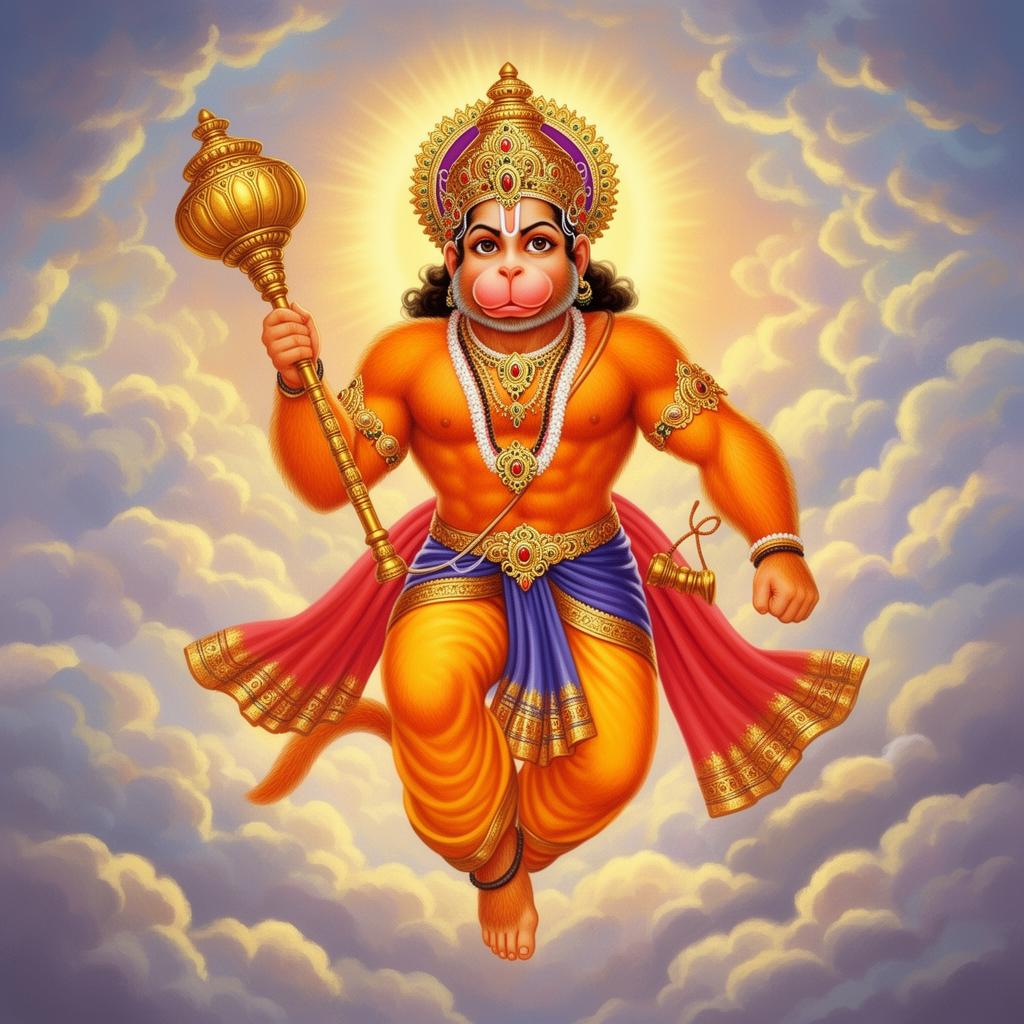
Maharaj-ji's entire spiritual world revolved around Hanuman ji. Many devotees regarded him as saturated with Hanuman's presence, and he established or inspired numerous Hanuman temples across North India, including the beloved Hanuman Setu Mandir in Lucknow. Yet when people asked for teachings, he gave no philosophy - only a handful of sentences that have since travelled the world: 'Love everyone, serve everyone, remember God' (sab se prem karo, sab ki seva karo, bhagwan ka smaran karo) and his constant refrain, 'Feed everyone'. He told devotees that the best form to worship is the hungry person before you, and that Ram naam - simple remembrance of God's name - is the practice for this age. He discouraged spiritual showmanship, deflected questions about his miracles, and turned seekers' attention back to kindness in daily life. In that simplicity lies his power: there is nothing to master, only love to practice.
Kainchi Dham - The Ashram in the Kumaon Hills
Kainchi Dham, established by Maharaj-ji in 1962, sits in a narrow green valley on the Nainital-Almora road in Uttarakhand, where a cold mountain river rushes past the temples. The name Kainchi - 'scissors' - comes from the two sharp hairpin bends of the road that cross here like scissor blades. What began as a small platform beside the path grew into a serene complex of shrines: temples of Hanuman ji, Vindhyavasini Devi, Vaishnavi Devi, Sita-Ram and Lakshmi-Narayan, and later a temple housing Maharaj-ji's own murti, seated with his blanket just as devotees remember him. Every year, June 15 is observed as the pratishtha divas, commemorating the consecration of the temple deities - the dham's biggest day, drawing enormous crowds from across the country. The room (kuti) where Maharaj-ji stayed is preserved with his takhat and blanket, and many visitors say its silence is the heart of the entire dham.
The Famous Bhandara - Prasad as a Path to God
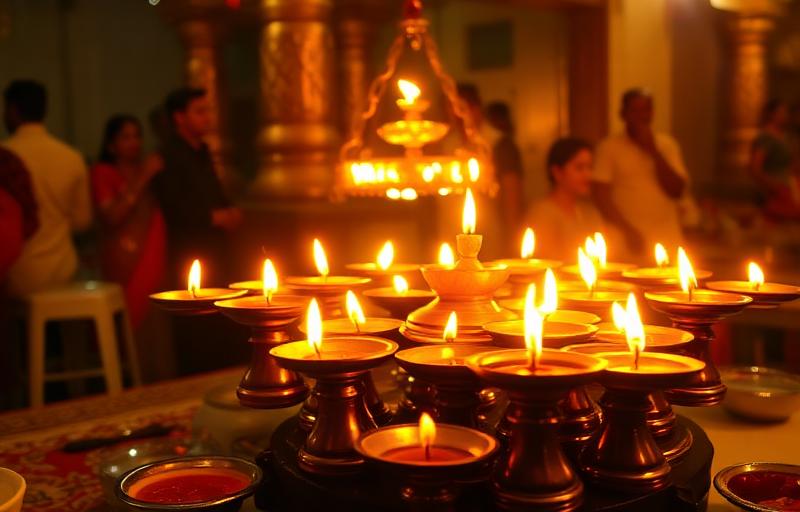
No story captures Maharaj-ji better than the bhandara - the free community feast he made the soul of Kainchi. He fed everyone, constantly and extravagantly: pilgrims, labourers, officials, children, sceptics. Devotee tradition lovingly recounts that during one great bhandara the ghee ran out, and Maharaj-ji instructed that water be brought from the river below and used in its place - and the prasad emerged perfect, the water having served as ghee. Whatever one makes of the account, the teaching inside it is unmistakable: when food is offered as seva, the divine supplies what is lacking. The grandest bhandara takes place on June 15 each year, when volunteers cook through the night and lakhs of devotees receive prasad - often the dham's famous malpua - in an operation run almost entirely on seva. Even on ordinary days, accepting a little prasad at Kainchi is considered receiving Maharaj-ji's own welcome.
Visiting Kainchi Dham - Darshan Flow and Ashram Etiquette
A visit to Kainchi is short in kilometres and long in stillness. You cross a small bridge over the river, deposit footwear, and enter the temple courtyard. The customary flow is darshan of Hanuman ji and the Devi temples, then Maharaj-ji's temple and a quiet pause near his preserved kuti. After darshan, most devotees simply sit - on the steps, by the river - and let the valley's silence work on them; rushing through Kainchi rather misses the point. Keep these courtesies: 1. Dress modestly and keep voices low; this is a living ashram, not a tourist stop. 2. Photography is restricted inside - follow the posted rules and staff guidance. 3. Mobile phones should stay silent and pocketed. 4. Accept prasad gratefully; offerings are simple - flowers, prasad, seva. 5. Overnight stay at the ashram requires prior written permission from the management; most visitors stay in Bhowali, Nainital or nearby. 6. Check official ashram sources for current darshan timings and seasonal arrangements before travelling.
Why Devotees Worldwide Are Drawn to Maharaj-ji
Maharaj-ji never travelled outside Bharat, wrote no books and sought no followers - yet his love crossed oceans. The American teacher Ram Dass (Richard Alpert) met him in 1967, and his book Be Here Now carried Maharaj-ji's presence to millions; the kirtan singer Krishna Das and humanitarian Larry Brilliant likewise trace their life's work to his feet. The story is often told that Steve Jobs travelled to India in 1974 hoping to meet him, arriving only after the mahasamadhi - yet the journey marked him, and decades later he reportedly suggested that Mark Zuckerberg visit Kainchi Dham, which he did. Actor Julia Roberts has also spoken of being touched by Maharaj-ji's image. It is worth saying tastefully: the dham is not a celebrity trail. The famous came for the same reason a village grandmother comes - unconditional love, and the feeling devotees describe of being completely known and completely accepted.
How to Reach Kainchi Dham and Maharaj-ji's Other Ashrams
Kainchi Dham lies on the Nainital-Almora road, about 17 km from Nainital and 9 km from Bhowali. The nearest railhead is Kathgodam (roughly 38 km), well connected to Delhi; from there, shared jeeps, buses and taxis climb into the hills. The nearest airport is Pantnagar (about 70 km), with Delhi (around 300 km) the major hub - many devotees drive up in 7 to 8 hours. The hill road is winding, so those prone to motion sickness should prepare. Around June 15, traffic is regulated and crowds are immense; if you seek quiet darshan, choose any other time, ideally March-June or September-November. Maharaj-ji's presence is not confined to Kainchi: his Vrindavan ashram, where he took mahasamadhi, houses his samadhi mandir and murti, and ashrams at Rishikesh and elsewhere continue his seva, as does the Taos ashram in the USA. Wherever you go, the practice is the same one he gave: love, serve, remember.
What People Ask Most
Can visitors stay overnight at Kainchi Dham?+
Only with prior written permission from the ashram management, which is granted sparingly and chiefly to long-standing devotees. Most visitors stay in Bhowali (9 km), Nainital (17 km) or nearby hill towns and come for day darshan. Contact the ashram through official channels well in advance if you wish to request a stay.
What happens at Kainchi Dham on June 15?+
June 15 is the annual pratishtha divas, commemorating the consecration of the temple deities. A massive bhandara is held, with lakhs of devotees receiving prasad, often the dham's famous malpua. Roads are regulated and queues are long, so arrive very early, travel light, and follow volunteers' instructions patiently.
What was Neem Karoli Baba's main teaching?+
His teaching fits in one breath: 'Love everyone, serve everyone, remember God' - with the constant addition, 'Feed everyone.' He gave no complicated techniques, pointing instead to Ram naam, kindness in daily conduct and seeing God in the person in front of you, especially the hungry and the suffering.
Did Steve Jobs and Mark Zuckerberg really visit Kainchi Dham?+
Steve Jobs travelled to India in 1974 hoping to meet Maharaj-ji but arrived after the mahasamadhi of 1973; the journey still influenced him deeply. Years later, Mark Zuckerberg visited Kainchi Dham, by his own account on Jobs' suggestion. Devotees mention this gently - the dham's draw is Maharaj-ji's love, not famous names.
Where is Neem Karoli Baba's samadhi?+
Maharaj-ji took mahasamadhi in Vrindavan on 11 September 1973, and his samadhi mandir stands at his Vrindavan ashram, where his murti is worshipped daily. Many devotees pair a Kainchi Dham yatra with a Vrindavan visit, offering pranam at the samadhi and sitting in the ashram's quiet courtyard.
What are the darshan timings at Kainchi Dham?+
The ashram generally opens for darshan through the day, but timings vary by season and on special occasions, and winter arrangements differ. Rather than rely on fixed listings, check the official ashram sources for current darshan timings before you travel, especially around June 15 when special schedules apply.
About the author
Pandit Ravindra Sharma · Vedic Rituals & Bhakti, 22+ years
Pandit Ravindra is the Vandnaa editorial team's resident specialist on aarti, chalisa, and daily devotion. He has performed home and temple pujas across Varanasi and Delhi for over two decades and contributes the bhakti-focused articles on this site.
Meet the Vandnaa editorial team →