Rishikesh - The City of Hrishikesha
Rishikesh takes its name from Hrishikesha, the Lord of the senses, a name of Vishnu. Tradition holds that the sage Raibhya Rishi performed intense tapasya on the banks of the Ganga here, and Vishnu, pleased, appeared before him as Hrishikesha. The name carries the city's deepest teaching: this is a place to bring the restless senses home. Set in the Himalayan foothills of Uttarakhand, Rishikesh is where the Ganga, still young and emerald green, rushes through a final mountain stretch before Haridwar. Sages have meditated in its caves and forests since Vedic times, and in the modern era it has become the yoga capital of the world, drawing seekers from every continent. It is also the practical and spiritual gateway to the Char Dham Yatra: journeys to Yamunotri, Gangotri, Kedarnath and Badrinath all begin from here.
Triveni Ghat - The Evening Maha Aarti
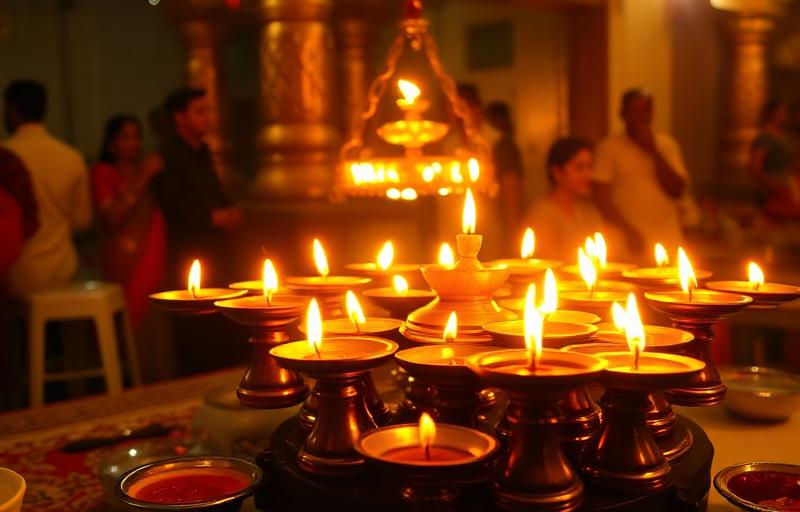
Triveni Ghat is the principal bathing ghat of Rishikesh, named for the belief that the energies of the Ganga, Yamuna and Saraswati symbolically meet here. Local tradition also holds that Lord Krishna rested at this ghat after being struck by the hunter Jara's arrow. Every evening the ghat hosts the Ganga Maha Aarti: priests with tall flame lamps, conch blasts, drums and the collective voice of hundreds of devotees singing to Maa Ganga. It is more intimate than Haridwar's aarti, and many pilgrims find it easier here to sit close to the water and participate rather than merely watch. Come at dawn for a quieter experience, when devotees offer surya arghya and float diyas in the half-light. A morning snan at Triveni Ghat followed by darshan at the ancient Bharat Mandir nearby is a cherished way to begin the day. Aarti timings shift with sunset, so check locally or via official sources.
Lakshman Jhula and Ram Jhula - Bridges of Legend
Two iconic suspension bridges sway above the Ganga at Rishikesh. Lakshman Jhula marks the spot where, by tradition, Lakshman crossed the river on a rope of jute during the exile years; later bridges honoured the legend, and the suspension structure has carried generations of pilgrims across. Beside it rises the thirteen-storey Tera Manzil temple (Trayambakeshwar), whose tiers hold shrines to many deities. A short distance downstream, Ram Jhula connects the Sivananda Ashram side to Swargashram, the serene ashram quarter on the east bank. Crossing either bridge on foot, with the green Ganga rushing below and temple bells in the air, is itself a small pilgrimage. Note that access arrangements on these bridges change from time to time as structures are renewed, so check locally about which crossings are open for pedestrians when you visit.
Neelkanth Mahadev - Where Shiva Drank the Poison

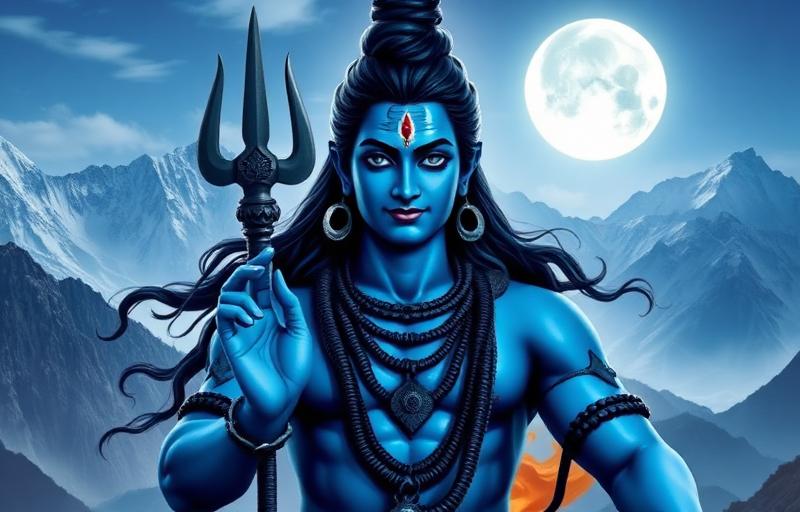
About 30 km uphill from Rishikesh, cradled between the Manikoot, Brahmakoot and Vishnukoot hills, stands the Neelkanth Mahadev temple. The legend returns us to the Samudra Manthan: when the churning of the ocean threw up the terrible poison halahala, threatening all creation, Shiva drank it to save the worlds. Parvati pressed his throat so the poison would not descend, and it lodged there, turning his throat blue and giving him the name Neelkanth, the blue-throated one. Tradition holds that Shiva then sat in meditation at this very spot to absorb the poison's burning heat. The drive up through forested hills is beautiful, and many devotees trek the forest route as an act of devotion. During Sawan and on Maha Shivratri, the temple draws enormous crowds of kanwariyas; on ordinary mornings it is peaceful and deeply charged.
Ashram Culture - Parmarth Niketan, Sivananda and Beyond
Rishikesh's soul lives in its ashrams. Parmarth Niketan, on the Swargashram bank, is famous for its evening Ganga aarti led by young rishikumars beside a great Shiva statue, and for hosting the International Yoga Festival every March. The Sivananda Ashram (Divine Life Society), founded by Swami Sivananda, has offered spiritual teaching, a renowned library and daily satsang for decades. Many ashrams welcome sincere visitors for short stays built around early rising, yoga, seva and simple sattvic food; write ahead and respect each ashram's discipline. History lovers seek out the Beatles Ashram (Chaurasi Kutia), where the Beatles stayed in 1968 to learn meditation with Maharishi Mahesh Yogi; its meditation domes now lie within the Rajaji reserve area, with entry managed by the forest department - check official sources for current arrangements. Even a single evening of satsang can change the texture of your entire yatra.
Ganga Snan and the Best Time to Visit Rishikesh
A Ganga snan at Rishikesh has its own character: the water is colder, faster and clearer than downstream, having just left the mountains. Triveni Ghat is the main snan ghat, with railings and gentler steps; avoid bathing at unmarked points, as the current is genuinely powerful. The best months to visit are October to November and February to April, when days are crisp and the river is a luminous green. Winter (December-January) is cold but wonderfully quiet for sadhana. The monsoon (July-September) swells the river and snan becomes risky at most points, while Sawan brings vast kanwariya crowds en route to Neelkanth. If your purpose is yoga and satsang, March combines pleasant weather with the International Yoga Festival; if your purpose is silent devotion, the weeks after Diwali are hard to better.
How to Reach Rishikesh and Practical Tips

By air: Jolly Grant airport, Dehradun, is about 20 km away, with frequent flights from Delhi and other metros. By train: Yog Nagari Rishikesh and the older Rishikesh station connect via Haridwar, which is only about 25 km away and has far more trains; taxis and buses cover the last stretch. By road: Rishikesh is roughly 240 km from Delhi. Within town, the ghats and market are walkable, and shared autos run between Rishikesh town, Ram Jhula and Lakshman Jhula areas; note that vehicles cannot cross the jhulas, so plan walking time. Practical tips: dress modestly, especially in ashram areas; Rishikesh is a holy town where meat and alcohol are traditionally absent, so respect this; carry a water bottle and avoid single-use plastic near the river; and confirm aarti, temple and forest-entry details through official sources rather than hearsay.
Reader Questions Answered
Why is Rishikesh called Rishikesh?+
The name comes from Hrishikesha, the Lord of the senses, a name of Vishnu. Tradition says Vishnu appeared in this form to the sage Raibhya Rishi, who performed tapasya on the banks of the Ganga here. The city's identity as a place of yoga and inner mastery flows directly from this name.
What is the difference between Lakshman Jhula and Ram Jhula?+
Both are suspension footbridges over the Ganga. Lakshman Jhula, upstream, marks where Lakshman is believed to have crossed the river on a jute rope, with the Tera Manzil temple beside it. Ram Jhula, downstream, links the Sivananda Ashram area to Swargashram. Check locally which crossings are open, as arrangements change during renovations.
How do I visit Neelkanth Mahadev from Rishikesh?+
Neelkanth Mahadev is about 30 km uphill from Rishikesh by road, with taxis and shared jeeps available; many devotees also trek the forest route as an act of devotion. Start early for a peaceful darshan, and expect very heavy crowds during Sawan and Maha Shivratri.
What is the best time to visit Rishikesh?+
October-November and February-April offer the best weather and a luminous green Ganga. March adds the International Yoga Festival at Parmarth Niketan. Winters are cold but quiet and ideal for sadhana, while the monsoon swells the river and makes snan unsafe at most points.
Can a first-time visitor stay in a Rishikesh ashram?+
Yes, several ashrams such as Parmarth Niketan welcome sincere visitors for short stays centred on yoga, satsang and simple sattvic living. Write or apply in advance, follow each ashram's discipline regarding timings, dress and conduct, and treat the stay as sadhana rather than tourism.
Is Rishikesh the starting point of the Char Dham Yatra?+
Yes. Rishikesh is traditionally regarded as the gateway to the Uttarakhand Char Dham: Yamunotri, Gangotri, Kedarnath and Badrinath. Road routes to all four dhams begin here, and most yatris take Maa Ganga's blessings at Triveni Ghat before setting out on the yatra.
About the author
Pandit Ravindra Sharma · Vedic Rituals & Bhakti, 22+ years
Pandit Ravindra is the Vandnaa editorial team's resident specialist on aarti, chalisa, and daily devotion. He has performed home and temple pujas across Varanasi and Delhi for over two decades and contributes the bhakti-focused articles on this site.
Meet the Vandnaa editorial team →