A Region Devoted to the Divine Mother
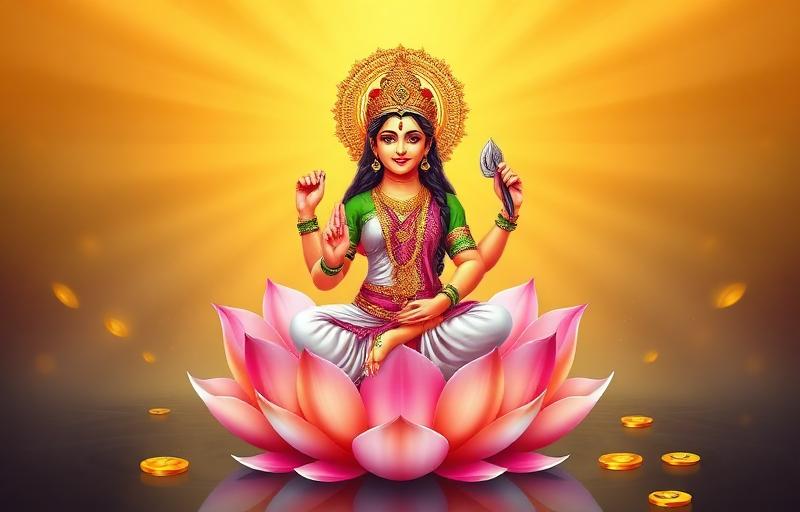
Across Northeast India, few devotional threads run as deep or as consistently as the worship of Shakti, the divine feminine energy honored across Hindu tradition. From the Brahmaputra valley to the hills of Tripura, this region holds some of India's most significant centers of Devi worship, each shaped by its own local history while sharing a common reverence for the Goddess.
This overview brings together the region's major strands of Shakti worship, offering devotees a sense of how deeply this tradition runs across Northeast India's Hindu heritage.
Assam: Kamakhya and the Heart of Tantra
Assam stands at the very center of this tradition, home to Kamakhya, one of the most revered of the 51 Shakti Peethas, worshipped on Nilachal Hill overlooking Guwahati. Around this ancient shrine grew a wider Shakta and tantric tradition unique to the region, one that continues to shape daily worship, seasonal festivals like Ambubachi Mela, and the devotional life of the entire Brahmaputra valley.
Tripura and Manipur's Own Devotional Threads
In Tripura, Tripura Sundari, worshipped at the Matabari temple, holds a place among the 51 Shakti Peethas, drawing devotees who consider her one of the region's most powerful forms of the Goddess. Tripura's royal Manikya dynasty further wove Shakta worship into the wider fabric of state devotion alongside their patronage of other Hindu traditions.
Manipur's devotional landscape, while shaped predominantly by Vaishnavism through temples like Govindaji, also carries its own reverence for the divine feminine within its broader Hindu practice, reflecting the diversity of worship traditions across the Northeast.
Why This Tradition Runs So Deep

Devotees often observe that Northeast India's landscape itself, defined by great rivers, dense hills and fertile valleys, has long lent itself to a devotional imagination centered on the divine feminine as the source of creation and sustenance. This natural backdrop, combined with centuries of royal patronage and sustained local practice, helped Shakta worship take particularly deep root here.
Across the region, devotees describe this reverence for the Goddess not as a separate tradition but as one deeply woven into the everyday texture of Hindu faith in the Northeast.
A Devotee's Takeaway
From Kamakhya's ancient tantric heritage to Tripura Sundari's Shakti Peeth and the quieter devotional currents of Manipur, Northeast India offers devotees a rich and varied picture of how the worship of the Divine Mother has flourished across this part of India.
For devotees, tracing these threads across the region is a reminder that Shakti worship, in all its regional forms, remains one of the most enduring and heartfelt expressions of Hindu devotion.
What People Ask Most
Which are the major Shakti worship sites in Northeast India?+
Kamakhya in Assam and Tripura Sundari in Tripura are among the most significant, both counted among the 51 Shakti Peethas of Hindu tradition, alongside broader Shakta devotion practiced across the region.
Why is Assam considered central to Shakti worship?+
Assam is home to Kamakhya, one of the most revered Shakti Peethas, and a wider Shakta and tantric tradition grew around this shrine that continues to shape daily worship and festivals across the Brahmaputra valley.
Is Manipur also part of Northeast India's Shakti tradition?+
While Manipur's Hindu devotion is shaped predominantly by Vaishnavism, it also carries its own reverence for the divine feminine within its broader Hindu practice, reflecting the diversity of worship traditions across the Northeast.
About the author
Pandit Ravindra Sharma · Vedic Rituals & Bhakti, 22+ years
Pandit Ravindra is the Vandnaa editorial team's resident specialist on aarti, chalisa, and daily devotion. He has performed home and temple pujas across Varanasi and Delhi for over two decades and contributes the bhakti-focused articles on this site.
Meet the Vandnaa editorial team →