Assam, a Historic Home of Shakta Worship
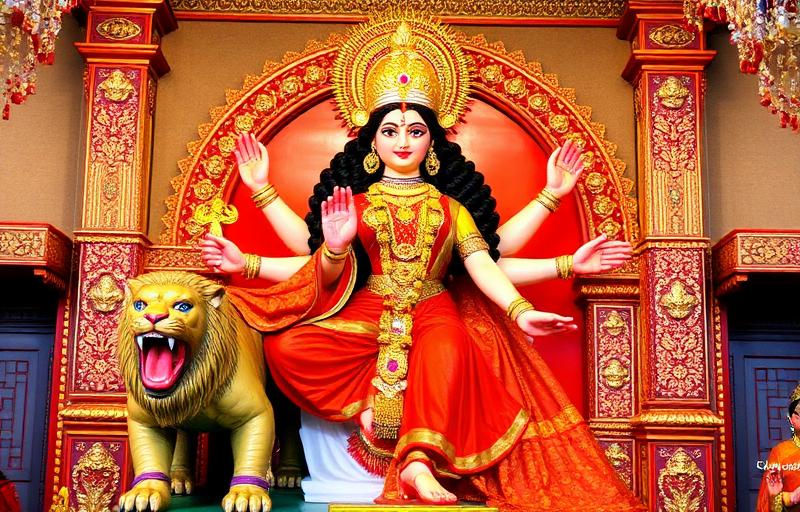
Perched on Nilachal Hill overlooking Guwahati, the Kamakhya temple is counted among the most sacred of the 51 Shakti Peethas, sites of Devi worship described in Hindu tradition. But Kamakhya's presence has shaped something larger than a single shrine, it has made Assam one of the historic heartlands of Shakta worship, the devotional tradition centered on the Divine Mother, in the whole of India.
Across the Brahmaputra valley, this reverence for the goddess as the source of creation and cosmic energy continues to shape temple worship, seasonal festivals and everyday devotion.
The Tantra Tradition in Assam
Assam, historically known in Sanskrit texts by names associated with the region, has long been remembered in Hindu tradition as a significant center of tantra, a body of scripture and practice devoted to realizing the divine through the worship of Shakti, the feminine cosmic energy. Kamakhya, worshipped in her form as the source of creation, sits at the very heart of this tradition.
Over centuries, this current of Shakta and tantric worship at Kamakhya developed its own body of ritual, chant and scripture, practiced by dedicated sadhaks and priests, and passed down within the temple's own lineage.
Devotional Significance
For devotees, Kamakhya and Assam's wider Shakta tradition represent a form of worship that honors the divine feminine as the very source of life and fertility of the earth. This is most visibly expressed each year during the Ambubachi Mela, when the temple celebrates the goddess's own generative power, drawing devotees and sadhaks from across India.
Far from being an obscure practice, this tradition is understood by devotees as one of the oldest and most direct expressions of reverence for Shakti described anywhere in Hindu scripture.
A Living Tradition Today
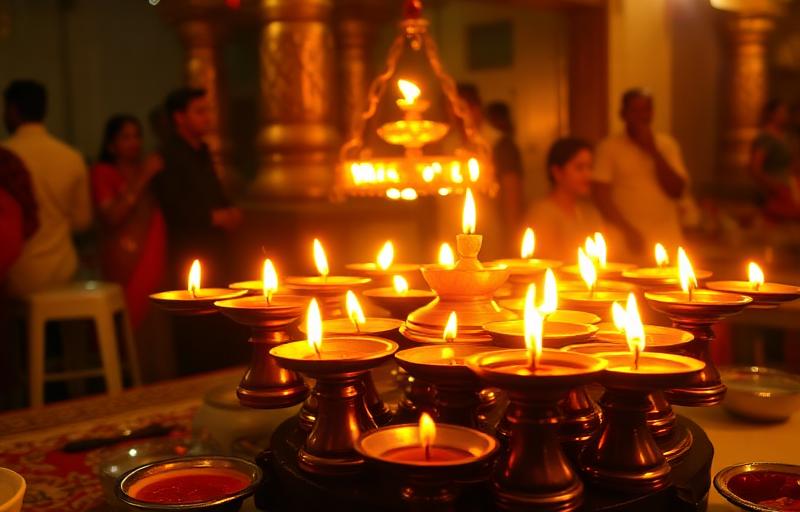
Today, Kamakhya remains an active center of daily worship, with priests conducting rituals passed down within their own families for generations. Beyond the main temple, the Nilachal Hill complex includes shrines to the ten Mahavidyas, further forms of the Devi, making the hill itself a place devotees describe as saturated with Shakta devotion.
Pilgrims from across India and abroad continue to visit not only for darshan but to connect with a tradition of Devi worship that has remained continuously practiced for centuries.
A Devotee's Takeaway
Kamakhya's place within Assam's Shakta and tantra tradition is a reminder of how deeply the worship of the Divine Mother runs through this part of India, a devotion older than memory, still alive in daily ritual.
For devotees, understanding this wider tradition adds meaning to a visit to Kamakhya, transforming it from a single darshan into an encounter with one of Hindu faith's most enduring currents of devotion.
Frequently Asked Questions
Why is Assam considered an important center of tantra tradition?+
Assam has long been remembered in Hindu tradition as a significant seat of tantra, a body of scripture and practice centered on realizing the divine through the worship of Shakti, with Kamakhya at the heart of this tradition.
What is the Ambubachi Mela and how does it relate to this tradition?+
The Ambubachi Mela is an annual festival at Kamakhya celebrating the goddess's generative power, and it draws devotees and sadhaks from across India as one of the most visible expressions of Assam's Shakta tradition.
What are the Mahavidya shrines near Kamakhya?+
The Nilachal Hill complex around Kamakhya includes shrines to the ten Mahavidyas, further forms of the Devi, making the entire hill a significant site of Shakta devotion beyond the main temple.
About the author
Pandit Ravindra Sharma · Vedic Rituals & Bhakti, 22+ years
Pandit Ravindra is the Vandnaa editorial team's resident specialist on aarti, chalisa, and daily devotion. He has performed home and temple pujas across Varanasi and Delhi for over two decades and contributes the bhakti-focused articles on this site.
Meet the Vandnaa editorial team →