What is Ambubachi Mela
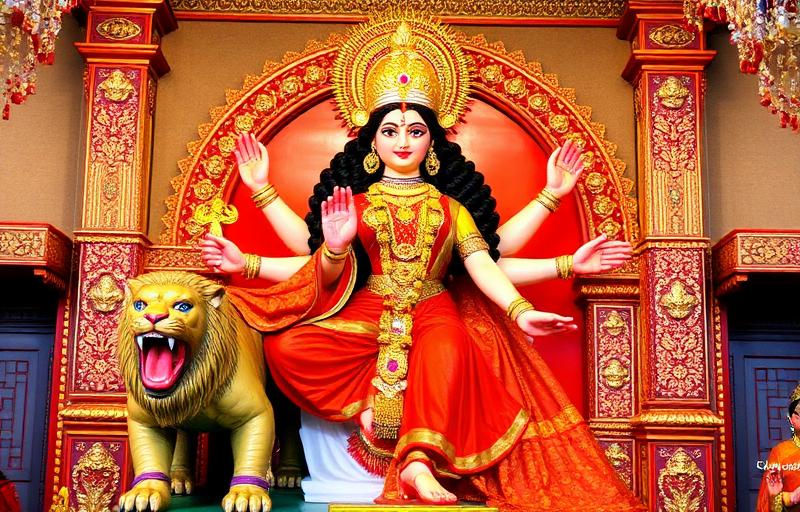
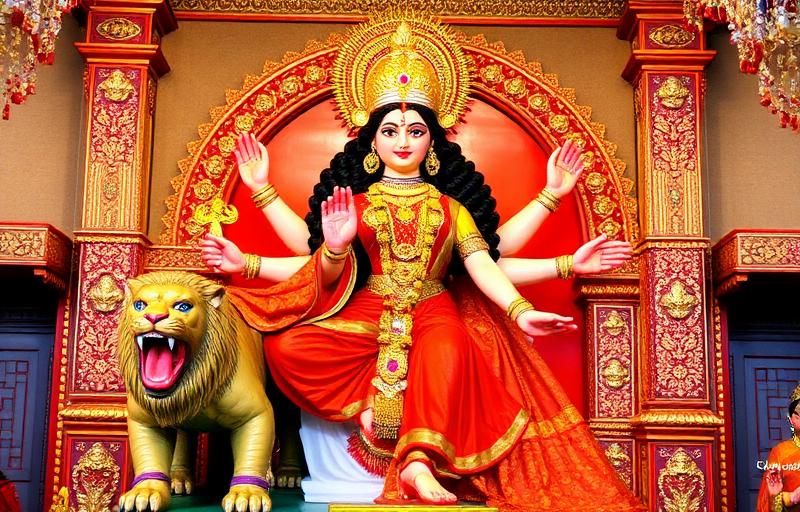
Ambubachi Mela is a unique annual festival held at the Kamakhya Temple atop Nilachal Hill in Guwahati, Assam, one of the most revered Shakti Peethas in Hindu tradition. It falls during the monsoon month of Ashadha, typically in June, over four days, and draws devotees, sadhus and pilgrims from across India and beyond.
Unlike most temple festivals built around a deity's procession, Ambubachi centres on a period of quiet, when the temple's inner sanctum is closed to the public for three days before reopening to enormous crowds on the fourth.
The Devotional Meaning Behind the Mela
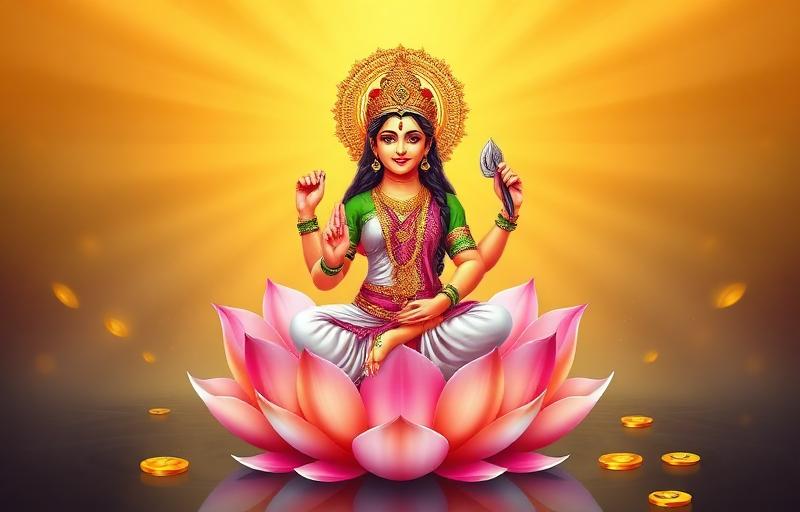
Kamakhya is worshipped not through an idol but through a natural rock formation representing the yoni, the symbol of the Devi's creative and generative power, making the temple one of the most important centres of Shakti worship in India. According to tradition, during Ambubachi, the goddess is believed to go through her own yearly cycle, mirroring the earth's own fertility during the monsoon when the soil becomes fit for sowing.
This belief is rooted in the ancient Indian understanding of the earth (Prithvi) as a living, feminine, generative force, and Kamakhya's worship, therefore, becomes a devotional acknowledgement of nature's power to create and sustain life, honoured with reverence rather than treated as anything other than sacred.
Rituals of the Mela
During the three days the sanctum remains closed, the temple observes silence around normal worship, and no farming or auspicious activities are traditionally begun in the region during this period, out of respect for the Devi's rest. On the fourth day, the temple reopens with grand rituals, and devotees receive prasad along with a piece of red cloth, believed to have been in contact with the sanctum, which many keep as a sacred remembrance.
Thousands of sadhus, including Naga and Aghori ascetics who otherwise remain in remote retreats, gather at Kamakhya during the mela, adding to its unique atmosphere as one of the most distinctive pilgrimages in eastern India.
- Sanctum closed for three days in quiet observance
- Temple reopening on the fourth day with grand rituals
- Prasad and sacred red cloth distributed to devotees
- Gathering of sadhus and ascetics from across India
Kamakhya's Place Among the Shakti Peethas
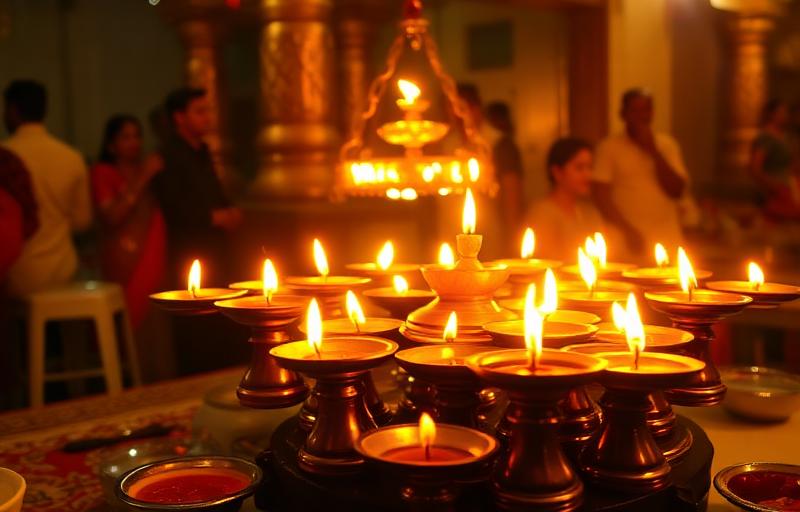
Kamakhya holds a special place among the 51 Shakti Peethas, sacred sites believed to mark where parts of Sati's body fell as Shiva carried her across the cosmos in grief. Assam's devotion to the Devi runs deep, and Ambubachi Mela is, for many in the Northeast, as significant a pilgrimage as the Kumbh Mela is elsewhere in India, drawing comparisons for its scale and the diversity of devotees it attracts.
For local Assamese families, the mela is also a time of community gathering, with markets, food stalls and cultural programmes springing up around the temple complex during the festival period.
Prayer and the Meaning of Devotion Here
Devotees at Kamakhya often chant the simple invocation:
"Om Kamakhyayai Namah" - salutations to Goddess Kamakhya, the embodiment of creative power and grace.
Ambubachi Mela teaches devotees to see the earth's own cycles, and by extension the natural cycles of life itself, as sacred rather than something to be treated with discomfort or shame. Worship at Kamakhya is, above all, an act of faith and reverence for the divine feminine as the source of all life, not a transaction but a heartfelt offering of respect.
Quick Answers
When is Ambubachi Mela held?+
It is held over four days in the monsoon month of Ashadha, typically in June, at the Kamakhya Temple in Guwahati, Assam.
Why does the Kamakhya temple close during Ambubachi?+
Tradition holds that the goddess undergoes her own yearly cycle during this period, mirroring the earth's fertility, and the sanctum is kept closed in quiet observance before reopening on the fourth day.
What is Kamakhya Temple known for?+
Kamakhya is one of the most revered Shakti Peethas, where the Devi is worshipped through a natural rock formation representing the yoni, symbolising her creative and generative power.
About the author
Pandit Mahesh Trivedi · Festival Traditions & Panchang
Pandit Mahesh leads the festival-date and Panchang content on Vandnaa. He cross-references multiple regional panchangs (Drik, Vaishnava, Bengali, Marathi) for every festival date published on the site.
Meet the Vandnaa editorial team →