
What This Mantra Is
Om Namo Bhagavate Vasudevaya is one of the most revered mantras of Lord Vishnu and Krishna. It is called the Dwadakshari mantra because it has twelve syllables, and it is also known as the Mukti mantra - the mantra of liberation. It is for anyone seeking refuge in the divine, whether to deepen devotion, find peace, or surrender the burdens of life at the feet of Vasudeva, the all-pervading Lord who dwells in every heart.
Origin and Importance
This mantra appears in the Srimad Bhagavatam and other Puranas and is one of the most important of all Vaishnava mantras. It was the mantra by which the boy-sage Dhruva attained the Lord's vision after intense penance. Vasudeva means the son of Vasudeva (Krishna) and also the one who dwells (vasati) in all beings. Because it directly invokes the supreme Lord by his most intimate name, it is considered a complete mantra needing no elaborate ritual to begin.
The Mantra and Its Twelve Syllables
The mantra in transliteration and Devanagari:
Om Namo Bhagavate Vasudevaya ॐ नमो भगवते वासुदेवाय
The twelve syllables are counted as: Om - Na - mo - Bha - ga - va - te - Va - su - de - va - ya. The opening Om is the primordial sound, and Namo Bhagavate Vasudevaya means I bow to the Lord Vasudeva. It is often chanted on a tulsi mala in repetitions of 108.
Word-by-Word Meaning
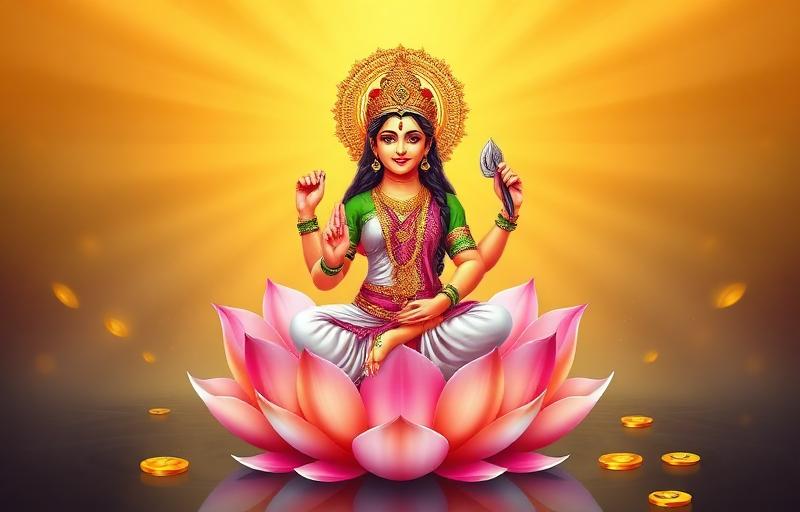
Om is the sacred sound of the absolute. Namo means I bow, I offer my salutations. Bhagavate means to the Lord who is full of all glories - majesty, strength, fame, beauty, knowledge and renunciation. Vasudevaya means to Vasudeva, Krishna the son of Vasudeva, who also pervades and dwells within all that exists. Together the mantra is a complete act of loving surrender: Om, I bow to the all-pervading Lord Vasudeva.
Jap Vidhi - How to Chant
1. Bathe and sit on a clean mat facing east or north in a quiet place. 2. Keep an image of Vishnu or Krishna and light a ghee lamp and incense. 3. Hold a tulsi or sandalwood mala and chant Om Namo Bhagavate Vasudevaya slowly. 4. Begin with at least one mala (108 times); many devotees do 3 or 11 malas. 5. Keep the mind on the meaning and on Krishna's form as you chant. 6. End by sitting silently for a minute, then bow in gratitude. Ekadashi, Vaishnava festivals and the early morning brahma muhurta are especially auspicious for this jap.
Benefits of the Mantra
Regular chanting of this dwadakshari mantra is believed to purify the mind, dissolve fear and ego, and fill the heart with devotion and peace. As the Mukti mantra, it is said to lead toward liberation and the Lord's grace, while also bringing protection, steadiness and inner strength in daily life. Above all, it is a simple, complete way to keep the name of Vasudeva alive on the tongue and in the heart.
Quick Answers
What does Om Namo Bhagavate Vasudevaya mean?+
It means 'Om, I bow to the all-pervading Lord Vasudeva'. Vasudeva is Krishna, son of Vasudeva, and also the divine who dwells within all beings.
Why is it called the dwadakshari mantra?+
Dwadakshari means 'twelve-syllabled'. The mantra Om Namo Bhagavate Vasudevaya has exactly twelve syllables, which is why it carries this name.
How many times should the mantra be chanted?+
Begin with at least one mala of 108 repetitions on a tulsi or sandalwood mala. Many devotees chant 3 or 11 malas daily, keeping the mind on Krishna's form.
Which sage attained the Lord through this mantra?+
The boy-sage Dhruva attained the Lord's vision through this mantra after intense penance, as told in the Srimad Bhagavatam. It is one of the most important Vaishnava mantras.
Can anyone chant this mantra?+
Yes. This is a simple, complete mantra of surrender that anyone with faith can chant, without elaborate ritual. Sincere devotion and a clean, peaceful mind are what matter most.
When is the best time to chant it?+
The early morning brahma muhurta, Ekadashi and Vaishnava festivals are especially auspicious, but the mantra can be chanted any time with devotion and a calm mind.
About the author
Acharya Vinaya Kapoor · M.A. Sanskrit, Mantra & Stotra Studies
Acharya Vinaya holds an M.A. in Sanskrit from Banaras Hindu University and writes the mantra and stotra commentary on Vandnaa. Her focus is on accurate pronunciation, traditional context, and helping modern readers connect with classical texts.
Meet the Vandnaa editorial team →Explore on Vandnaa
Related Articles

Hare Krishna Maha Mantra – Lyrics, Meaning & Benefits
9 min read
Gayatri Mantra Meaning, Benefits & How to Chant (गायत्री मंत्र)
12 min read
Vishnu Sahasranama: The 1000 Names of Vishnu - Meaning, Benefits & Daily Recitation Vidhi
12 min read
108 Names of Lord Krishna: Complete List with Meaning, Benefits & How to Chant Daily
12 min read
Achyutam Keshavam - Krishna Bhajan Lyrics & Meaning
8 min read
Dashavatar - 10 Avatars of Lord Vishnu: Names, Order, Meaning, Significance
11 min read