What Are the Panch Tatva
The Panch Tatva (also Pancha Bhuta) are the five great elements from which all creation is made: Prithvi (earth), Jal (water), Agni (fire), Vayu (air) and Akash (ether or space). According to the Vedas and Upanishads, the body, the universe and every object are combinations of these five. Each element is linked to a sense and a quality, and a worship that engages all five is considered complete and deeply harmonising.
The Five Elements and Their Qualities
Each tatva governs a sense organ and a quality: 1. Prithvi (Earth) - smell; solidity, stability and form. 2. Jal (Water) - taste; fluidity, purity and life. 3. Agni (Fire) - sight; heat, light and transformation. 4. Vayu (Air) - touch; movement, breath and energy. 5. Akash (Ether/Space) - sound; vastness, openness and the medium in which all exists. In the human body these correspond to flesh and bone, blood and fluids, body heat, breath, and the inner spaces - showing that we ourselves are made of the same five elements as the cosmos.
How the Five Elements Appear in Puja
Every traditional puja honours all five tatva through its offerings: 1. Prithvi (Earth) - the flower and gandha (sandalwood paste), offered for fragrance and form. 2. Jal (Water) - the water for achaman, abhishek and arghya. 3. Agni (Fire) - the ghee diya and camphor flame that we light and circle. 4. Vayu (Air) - the incense and dhoop, whose fragrant smoke moves with the air. 5. Akash (Ether) - the sound of the bell, conch, mantra and aarti that fills space. This is why a complete puja includes flower, water, lamp, incense and sound - it offers the whole creation back to the divine.
Elements, Deities and Sacred Places
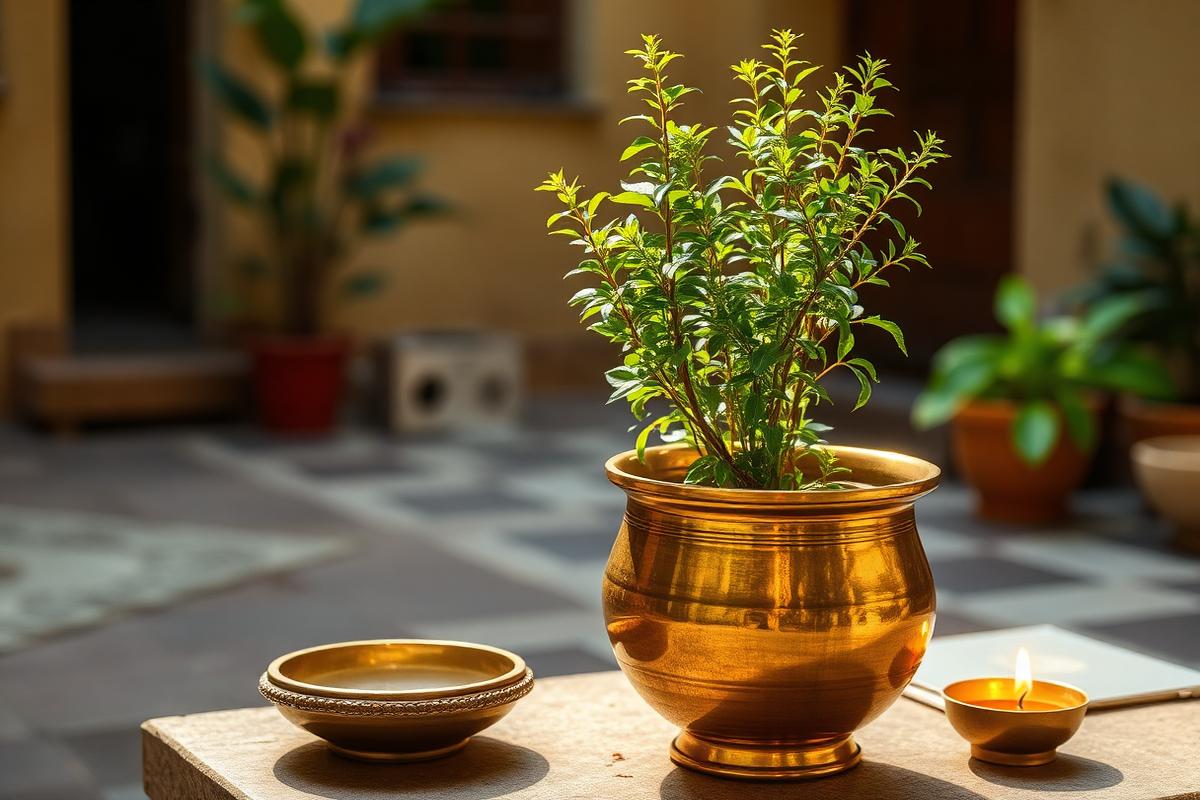
The five elements are embodied in sacred geography and worship. The famous Pancha Bhuta Sthalams are five South Indian Shiva temples, each representing one element - Kanchipuram (earth), Tiruvanaikaval (water), Tiruvannamalai (fire), Kalahasti (air) and Chidambaram (ether). Each tatva is also linked to a presiding deity and direction in many traditions, reminding the devotee that the divine pervades and sustains all five elements at once.
Balancing the Elements Within
Ayurveda and yoga teach that health and peace come from balancing the five elements within the body and mind. Pure water, sunlight (fire), fresh air, grounding contact with the earth, and quiet, spacious awareness (ether) all nourish their respective tatva. Worship, with its lamp, water, flower, incense and sound, is itself a gentle daily rebalancing of the elements that compose us.
The Spiritual Meaning
The deepest teaching of the Panch Tatva is unity - the same five elements form the deity, the worshipper, the offerings and the whole universe. To worship through the five elements is to recognise that there is no separation between the divine and creation. At death, the body dissolves back into the five elements, and the practice reminds us to live lightly, gratefully and in harmony with the forces that hold all life together.
Bringing It Into Daily Practice

Bring awareness of the five elements into your daily puja and life. As you light the diya, feel gratitude for fire and light; as you offer water, for life and purity; as the incense rises, for the breath and air; as the flower is offered, for the earth; and as the bell sounds, for the space that holds everything. This simple mindfulness turns a routine puja into a living meditation on the elements within and around you.
Frequently Asked Questions
What are the Panch Tatva?+
The Panch Tatva are the five great elements - earth (prithvi), water (jal), fire (agni), air (vayu) and ether or space (akash) - from which the body, the universe and all creation are made.
How are the five elements present in puja?+
Earth is the flower and sandal paste, water is for achaman and arghya, fire is the ghee diya and camphor, air is the incense smoke, and ether is the sound of the bell, conch and mantra.
Which sense is linked to each element?+
Earth is linked to smell, water to taste, fire to sight, air to touch and ether to sound. Each element governs one of the five senses through which we experience the world.
What are the Pancha Bhuta Sthalams?+
They are five South Indian Shiva temples, each representing one element - Kanchipuram (earth), Tiruvanaikaval (water), Tiruvannamalai (fire), Kalahasti (air) and Chidambaram (ether).
Why is a complete puja said to use all five elements?+
Offering flower, water, lamp, incense and sound engages all five elements, symbolically returning the whole of creation to the divine. This makes the worship complete and deeply harmonising.
What is the spiritual meaning of the Panch Tatva?+
The deepest teaching is unity - the same five elements form the deity, the worshipper and the universe. Worshipping through them shows there is no separation between the divine and creation.
About the author
Pandit Mahesh Trivedi · Festival Traditions & Panchang
Pandit Mahesh leads the festival-date and Panchang content on Vandnaa. He cross-references multiple regional panchangs (Drik, Vaishnava, Bengali, Marathi) for every festival date published on the site.
Meet the Vandnaa editorial team →Explore on Vandnaa
Related Articles
Satyanarayan Puja Vidhi, Samagri & Prasad - Step by Step Guide
10 min read
Sandhya Vandana - Evening Puja Vidhi & Daily Practice
9 min read
Home Mandir Setup - Direction, Vastu Rules, Dos and Don'ts
9 min read
Panchamrit - Meaning, 5 Ingredients, Significance & Puja Vidhi
8 min read
Temple Etiquette - Dos, Don'ts & Rules for Mandir Darshan
8 min read
Gayatri Mantra Meaning, Benefits & How to Chant (गायत्री मंत्र)
12 min read