What Is Satyanarayan Puja
Satyanarayan Puja is the worship of Lord Vishnu in his form as Satyanarayan - the embodiment of truth (satya) and the lord (narayan) of all. It is one of the simplest yet most cherished household pujas, performed on Purnima (full moon), Ekadashi, festivals, housewarmings, weddings and to give thanks for any blessing. The puja centres on listening to the Satyanarayan Vrat Katha, a set of five stories that teach the rewards of faith and keeping one's word.
Puja Samagri - What You Need
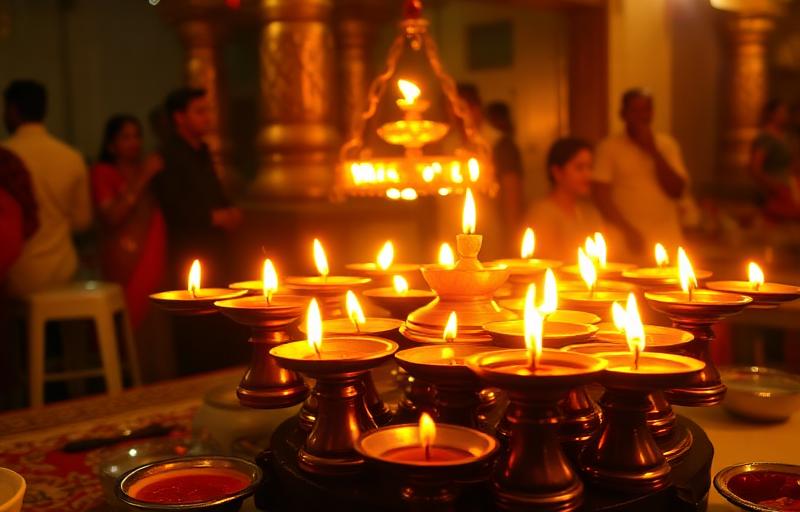
Arrange the items in advance so the puja flows smoothly: 1. A kalash (copper or brass pot), filled with water, topped with mango leaves and a coconut. 2. An image or idol of Lord Satyanarayan / Vishnu and of Lord Ganesh. 3. Banana leaves and banana stems to decorate the chowki (wooden platform). 4. Panchamrit (milk, curd, ghee, honey, sugar) and Ganga jal. 5. Roli, kumkum, haldi, akshat (rice), chandan, janeu (sacred thread), flowers and tulsi leaves. 6. Incense, dhoop, a ghee diya, camphor, betel leaves, betel nut and dakshina coins. 7. Prasad: sheera (sapatha) made of suji, plus fruits, panjiri and sweets.
Step-by-Step Puja Vidhi
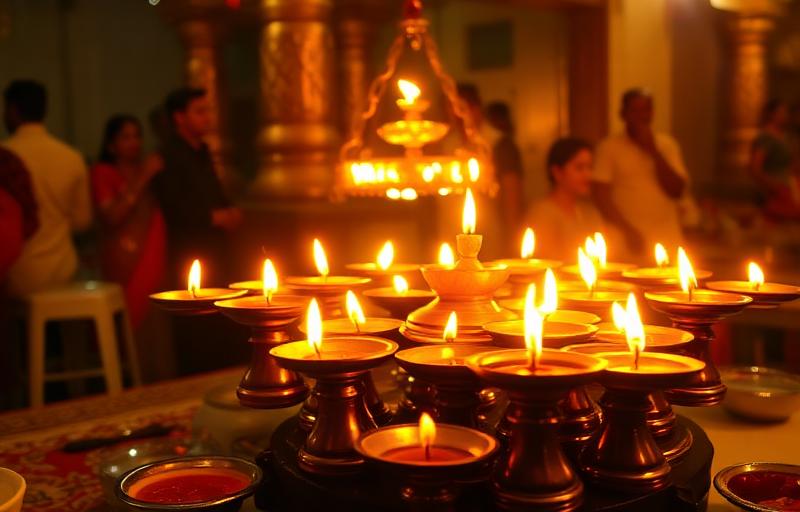
Perform the puja, ideally in the evening, after a bath and wearing clean clothes: 1. Clean the space, lay a red cloth on the chowki and place the deities facing east; the worshipper faces east or north. 2. Do achaman and sankalp (state your intention and the reason for the puja). 3. Worship Lord Ganesh first to remove obstacles, then install the kalash. 4. Invoke the Navagraha and the panch dev, then worship Lord Satyanarayan with roli, akshat, flowers, tulsi and the janeu. 5. Offer panchamrit, then incense, the diya and the sheera bhog. 6. Read or listen to the five chapters of the katha without a break. 7. Conclude with the aarti, distribute prasad and give dakshina.
The Five Chapters of the Katha
The Satyanarayan Vrat Katha has five chapters (adhyaya), narrated from the Skanda Purana: 1. Chapter 1 - Narada asks Vishnu how humans can be relieved of suffering, and the vrat is revealed. 2. Chapter 2 - A poor brahmin and a woodcutter prosper after performing the puja. 3. Chapter 3 - A merchant named Sadhu forgets his promise and faces hardship. 4. Chapter 4 - His daughter Kalavati and the family suffer until the vrat is honoured again. 5. Chapter 5 - King Tungadhwaj disrespects the prasad and is humbled, then restored by faith. Each story teaches that keeping one's word and honouring the prasad bring lasting grace.
Sheera Prasad (Sapatha) Recipe
The traditional Satyanarayan prasad is sheera (also called sapatha or prasad ka halwa), made in equal measures: 1. Take equal parts of suji (semolina), sugar, ghee and milk/water - one cup each is a common ratio. 2. Roast the suji in ghee on low heat until golden and fragrant. 3. Add warm milk or water slowly, stirring to avoid lumps. 4. Add sugar, cardamom, and a few tulsi leaves, plus chopped banana, raisins and cashews. 5. Cook until thick, then offer it as bhog before reading the katha. Tulsi is essential, as it is dear to Lord Vishnu; never offer the bhog without it.
Significance and Benefits
Satyanarayan Puja is believed to bring prosperity, peace, good health and the fulfilment of sincere wishes. Above all, it is a vow of truth - those who perform it promise to live honestly and keep their word, just as the katha teaches. Families perform it after a wedding, a new home, a child's birth or recovery from illness, and on Purnima to invite steady blessings into the home.
Common Mistakes to Avoid
Do not break the katha midway or step away once it begins, as all five chapters are read in one sitting. Never offer the bhog without tulsi, and do not disrespect or waste the prasad - the katha of King Tungadhwaj warns against exactly this. Keep your sankalp sincere, distribute prasad to everyone present, and avoid performing the puja in a hurry or with an unclean space.
What People Ask Most
When should Satyanarayan Puja be performed?+
It is best performed on Purnima (full moon) and Ekadashi, but it can be done on any auspicious day, festival, housewarming, wedding or to give thanks for a blessing. Evening is the most common time.
What prasad is offered in Satyanarayan Puja?+
The traditional prasad is sheera (sapatha) made of equal parts suji, sugar, ghee and milk, with cardamom, banana and tulsi. Fruits and panjiri are also offered. Tulsi is essential.
How many chapters are in the Satyanarayan Katha?+
The katha has five chapters from the Skanda Purana. They are read in one sitting without a break, ending before the aarti, and teach the rewards of faith and keeping one's word.
Which deities are worshipped in this puja?+
Lord Ganesh is worshipped first to remove obstacles, followed by the kalash, the Navagraha and the panch dev, and then Lord Satyanarayan (Vishnu) as the main deity of the puja.
Can Satyanarayan Puja be done at home without a priest?+
Yes. With a clean space, the right samagri and sincere devotion, a family can perform it themselves by following the vidhi and reading the katha. A priest helps with mantras but is not strictly required.
Why is tulsi essential in the bhog?+
Tulsi is dear to Lord Vishnu, and an offering to him is considered incomplete without it. Placing a few tulsi leaves on the sheera prasad is what makes the bhog acceptable in this puja.
About the author
Pandit Mahesh Trivedi · Festival Traditions & Panchang
Pandit Mahesh leads the festival-date and Panchang content on Vandnaa. He cross-references multiple regional panchangs (Drik, Vaishnava, Bengali, Marathi) for every festival date published on the site.
Meet the Vandnaa editorial team →Explore on Vandnaa
Related Articles

Panchamrit - Meaning, 5 Ingredients, Significance & Puja Vidhi
8 min read
Vishnu Aarti Lyrics - Om Jai Jagdish Hare in Hindi & English
8 min read
Vishnu Sahasranama: The 1000 Names of Vishnu - Meaning, Benefits & Daily Recitation Vidhi
12 min read
Home Mandir Setup - Direction, Vastu Rules, Dos and Don'ts
9 min read
Panch Tatva - The Five Elements in Worship & Life
9 min read
Temple Etiquette - Dos, Don'ts & Rules for Mandir Darshan
8 min read