What Is Panchayatana Puja?
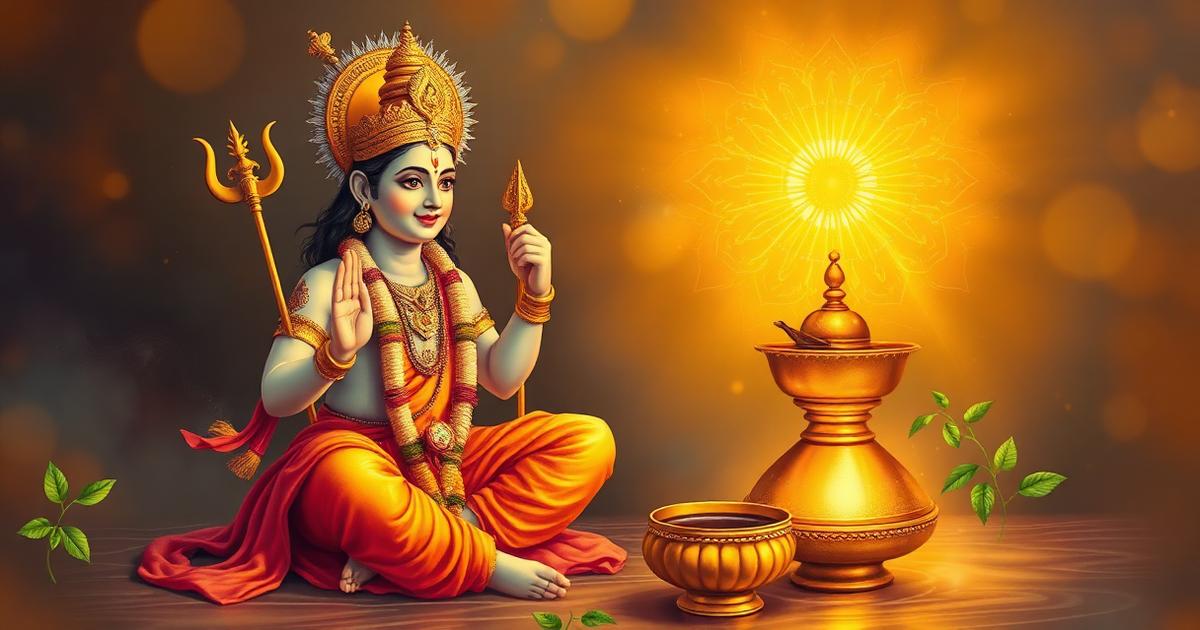
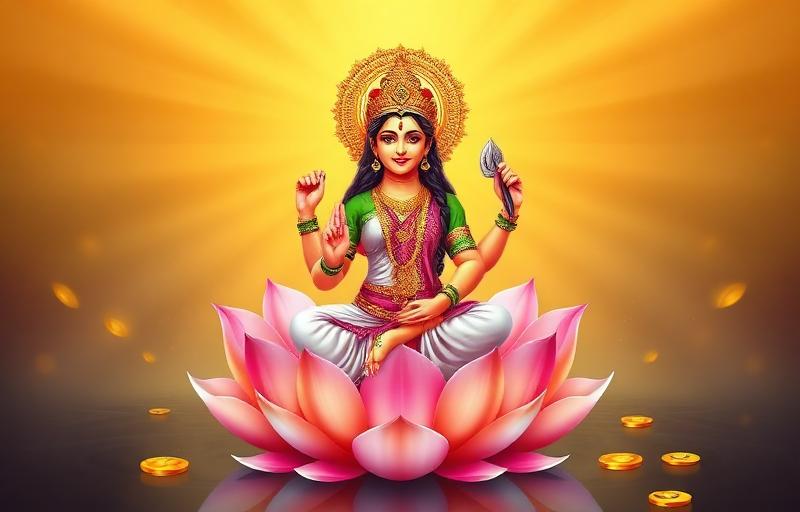
Panchayatana Puja is a traditional method of household worship in which five deities are honoured together: Vishnu, Shiva, Devi (the Divine Mother), Surya and Ganesha. One deity, chosen according to family tradition or personal devotion, is placed at the centre as the ishta devata, while the other four are arranged around, often in the four directions.
This approach allows a devotee to hold a primary devotion while still honouring the wider divine family, rather than seeing worship of one form as excluding the others.
The Origin of This Tradition
Tradition widely credits the great teacher Adi Shankaracharya with systematizing Panchayatana Puja, at a time when various regional and sectarian streams of Hindu worship existed somewhat separately. By placing five major deities together in one respectful practice, he offered devotees a way to honour their chosen ishta devata without dismissing other sampradayas.
Over centuries, this simple, inclusive structure spread across households in many regions of India, becoming a quiet expression of harmony among different devotional paths within the same faith.
What Panchayatana Puja Teaches
At its heart, Panchayatana Puja teaches that the same formless, supreme reality is approached through many names and forms, and that devotion to one does not diminish the others. It gently discourages rivalry between devotees of different deities, framing all worship as paths toward the same divine truth.
For many families, it also becomes a way of honouring different aspects of life together in one practice, Vishnu's sustaining grace, Shiva's transformation, the Devi's nurturing strength, Surya's life-giving light and Ganesha's removal of obstacles.
How Panchayatana Puja Is Performed
In many households, natural symbolic objects represent each deity, a Shaligram stone for Vishnu, a Banalinga for Shiva, a piece of coral or crystal for the Devi, a Surya crystal for the sun, and a small red stone for Ganesha, arranged together on a small altar or plate.
Devotees offer a simple arati, light a diya, and recite prayers to each deity in turn, before closing with a shared prayer honouring the unity underlying all five forms.
Benefits and the Takeaway
As per tradition, devotees who follow Panchayatana Puja believe it brings balance and completeness to household worship, ensuring that gratitude is extended across the different blessings of life, protection, transformation, strength, vitality and the clearing of obstacles.
The wider takeaway of this practice is a lesson in humility and inclusivity, that devotion need not be narrow to be deep. Worship is an act of faith and love, not a transaction, and honouring the divine in its many forms only strengthens a devotee's own faith.
Reader Questions Answered
Which five deities are worshipped in Panchayatana Puja?+
Vishnu, Shiva, Devi, Surya and Ganesha are the five deities honoured together, with one chosen as the central ishta devata according to family or personal devotion.
Who is credited with systematizing Panchayatana Puja?+
Tradition widely credits the philosopher-saint Adi Shankaracharya with organizing this five-deity worship as a way to bring harmony among different devotional streams of Hindu practice.
Can a devotee choose a different deity as the central ishta devata?+
Yes, the central deity is traditionally chosen based on family lineage or personal devotion, while the remaining four are still honoured together as part of the same practice.
About the author
Pandit Mahesh Trivedi · Festival Traditions & Panchang
Pandit Mahesh leads the festival-date and Panchang content on Vandnaa. He cross-references multiple regional panchangs (Drik, Vaishnava, Bengali, Marathi) for every festival date published on the site.
Meet the Vandnaa editorial team →