Pashupatinath - Shiva as the Lord of All Beings
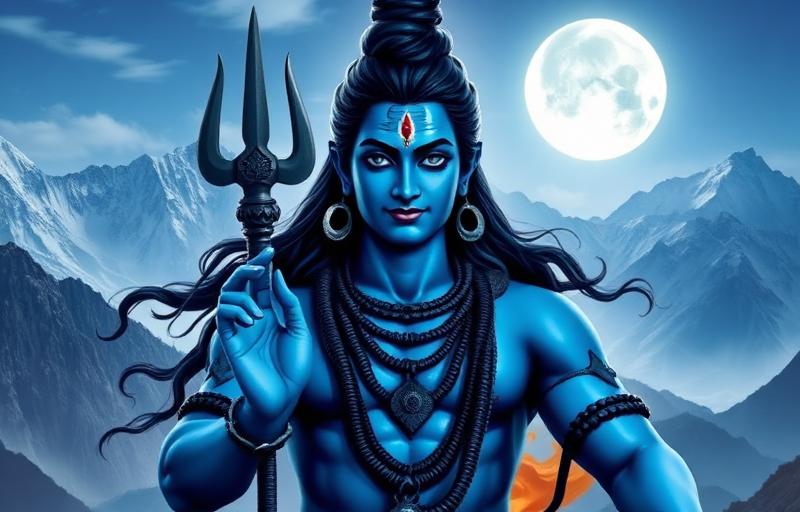
On the banks of the Bagmati river in Kathmandu stands Pashupatinath, one of the holiest Shiva temples in the world and the guardian deity of Nepal. The name unfolds the theology: pashu means every bound living being, and pati means lord - Shiva as Pashupati is the master and liberator of all creatures, from insects to kings. The bound soul (pashu), the noose of worldly attachment (pasha) and the Lord (pati) form one of Shaivism's oldest teachings, and this temple is its living home. The present pagoda-style temple with its gilded roofs and silver doors stands amid a vast sacred complex of hundreds of shrines, recognised as a UNESCO World Heritage Site. Mentions of Pashupati go back many centuries, and for Hindus across India and Nepal, darshan here ranks with the greatest tirthas. Sadhus, householders and royalty have all bowed at the same threshold.
The Panch-Mukhi Shivling - Five Faces of Mahadev
The sanctum of Pashupatinath holds a form rare among the great Shiva shrines: a panch-mukhi (five-faced) shivling of jyotirlinga-class sanctity, about a metre tall, with four carved faces turned to the four directions and a fifth, formless face conceived as gazing upward. Each face carries a name and a cosmic function: Sadyojata facing west, Vamadeva facing north, Tatpurusha facing east, Aghora facing south, and Ishana, the upward zenith face, representing the transcendent Shiva beyond form. Together they embody the five elements and the five activities of the Lord - creation, preservation, dissolution, concealment and grace. By long custom, only the temple's appointed Bhatta priests, traditionally drawn from southern India, may touch the linga during worship, a centuries-old arrangement that itself tells the story of Bharat and Nepal's shared spiritual bloodstream. Devotees take darshan of the faces from the sanctum doors on each side.
The Legend - When Shiva Roamed as a Deer
The founding legend of Pashupatinath is tender and telling. Weary of celestial duties, Shiva slipped away from Kailash and, enchanted by the beauty of the Sleshmantak forest on the Bagmati's banks, took the form of a graceful deer and wandered free among the herds. The worlds, deprived of their Lord, fell into disorder, and the gods came searching. Discovering him, Brahma, Vishnu and Indra caught hold of his antler to bring him back; the antler broke, and Shiva, choosing to remain in this beloved land in essence, manifested as the linga of Pashupati. The broken antler itself is said to have been worshipped as the first linga here. A later legend adds that the site was forgotten until a cow named Kamadhenu kept pouring her milk on a mound; when herders dug there, the radiant linga emerged. Even today the forested hill across the Bagmati shelters deer, living echoes of the Lord's leela.
The Head of the Jyotirlingas
Devotional tradition gives Pashupatinath a unique place in the geography of Shiva worship. While India venerates the twelve jyotirlingas - from Somnath to Grishneshwar - as radiant manifestations of Shiva's light, a cherished belief holds that these twelve form the body of the Lord, and Pashupatinath is the head (shiras) over them all. In this view, the deer legend completes the picture: the body of divine light spread across Bharat, and the head came to rest in the Himalayan valley of the Bagmati. Many devotees therefore undertake darshan of Pashupatinath as the crowning act after visiting the jyotirlingas, believing the pilgrimage of Shiva's light remains incomplete without bowing at its head. Whether one reads this as mapped theology or as the poetry of devotion, the message is the same: the sacred land of Shiva does not stop at any border.
The Bagmati Ghats and the Evening Aarti
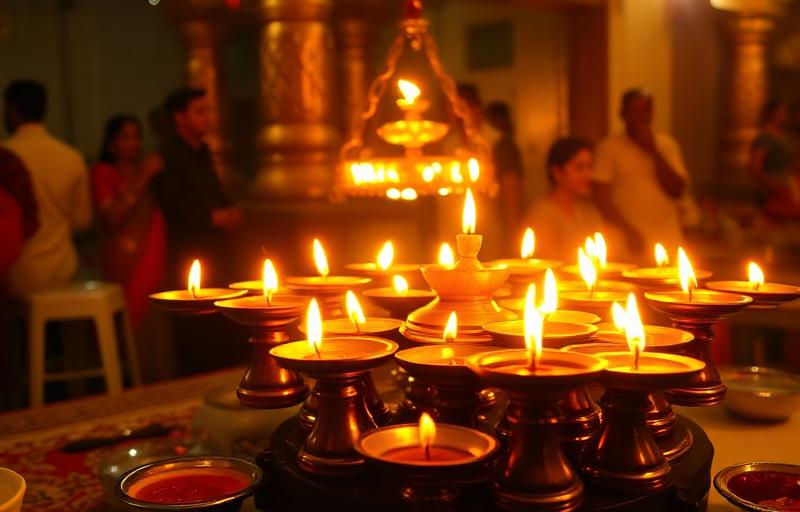
The Bagmati, which flows past the temple to eventually join the Ganga system in the plains, is Nepal's most sacred river, and its ghats are inseparable from Pashupatinath's spiritual power. Arya Ghat, beside the temple, is where tradition prescribes the last rites of the devout, in the open sight of the Lord - a constant, sobering reminder that Shiva presides over both the dance of life and its dissolution. Across the footbridges, terraced steps and stone chaityas climb toward the Sleshmantak forest, with the Guhyeshwari temple of the Devi, deeply tied to the Sati tradition, a short walk downstream. Every evening the riverfront glows with the Bagmati aarti: priests on raised platforms swing tiered lamps in unison to bhajans and damaru beats, in a spirit akin to the Ganga aarti of Kashi and Haridwar. Sit on the eastern steps for the fullest view; timings follow sunset, so confirm locally.
Best Time to Visit - Maha Shivratri, Sawan and the Seasons
The grandest day at Pashupatinath is Maha Shivratri (February-March), when lakhs of devotees and thousands of sadhus, including naga babas from across India and Nepal, fill the complex through a night of jagran, dhuni fires and darshan; come for the unforgettable atmosphere, but expect very long queues. The month of Sawan (Shravan, July-August), especially its Mondays, brings rivers of devotees in yellow and saffron offering jal to Mahadev. Teej sees Nepali women fasting and dancing for marital blessing, and Bala Chaturdashi (November-December) brings an all-night lamp vigil for departed loved ones. For unhurried darshan, the months from October to March offer clear, pleasant weather in the Kathmandu valley; early mornings on ordinary weekdays are the quietest. The monsoon months are green but wet. Whatever the season, joining the evening aarti turns a visit into an experience.
How to Reach and Practical Tips for Indian Devotees
Indian citizens do not need a visa for Nepal - a long-standing blessing of the open border - but you must carry valid identity documents such as a passport or voter ID; requirements, especially for air travel and for currency rules, should be confirmed through official sources before departure. By air: Kathmandu's Tribhuvan International Airport receives direct flights from Delhi and other Indian cities, and the temple lies only a few kilometres away. By land: border crossings such as Sunauli (near Gorakhpur) and Raxaul connect to Kathmandu by road. Key customs: entry into the main temple courtyard is reserved for Hindus; others view the complex from the eastern bank. Leather items (belts, wallets, shoes) should not be carried toward the sanctum; deposit footwear at the counters. Photography is restricted inside the main temple, so follow posted rules. Dress modestly, keep some Nepali currency for offerings, and beware of self-appointed guides demanding fixed fees - dakshina is always voluntary.
What People Ask Most
Do Indian citizens need a visa to visit Pashupatinath in Nepal?+
No, Indian citizens do not need a visa for Nepal. However, you must carry valid identity documents such as a passport or voter ID, and air travellers should confirm current document and currency requirements through official sources before departure.
What is special about the Pashupatinath shivling?+
It is a panch-mukhi (five-faced) shivling of jyotirlinga-class sanctity: Sadyojata faces west, Vamadeva north, Tatpurusha east, Aghora south, and the formless Ishana gazes upward. The five faces embody the five elements and Shiva's five cosmic acts of creation, preservation, dissolution, concealment and grace.
Why is Pashupatinath called the head of the jyotirlingas?+
A cherished devotional belief holds that the twelve jyotirlingas of India form the body of Shiva's light, while Pashupatinath is the head (shiras) over them all. Many devotees therefore complete their jyotirlinga pilgrimage with darshan at Pashupatinath, considering the circuit incomplete without it.
Who can enter the main Pashupatinath temple?+
Entry into the main temple courtyard is reserved for Hindus by long-standing temple custom. Visitors of other faiths can view the temple and its golden roofs from the eastern bank of the Bagmati and walk the wider sacred complex, which is a UNESCO World Heritage Site.
When is the best time to visit Pashupatinath?+
October to March offers the most pleasant weather for unhurried darshan. For festival energy, Maha Shivratri (February-March) is the grandest night of the year, and Sawan Mondays draw huge devotional crowds. Early weekday mornings are the quietest, and the evening Bagmati aarti is worth planning around in any season.
What should devotees keep in mind during darshan at Pashupatinath?+
Dress modestly, deposit footwear and avoid carrying leather items toward the sanctum. Photography is restricted inside the main temple, so follow posted rules. Keep some Nepali currency for offerings, remember that dakshina is voluntary, and confirm aarti timings and entry arrangements locally or through official sources.
About the author
Pandit Ravindra Sharma · Vedic Rituals & Bhakti, 22+ years
Pandit Ravindra is the Vandnaa editorial team's resident specialist on aarti, chalisa, and daily devotion. He has performed home and temple pujas across Varanasi and Delhi for over two decades and contributes the bhakti-focused articles on this site.
Meet the Vandnaa editorial team →