What is Pitambara Peeth
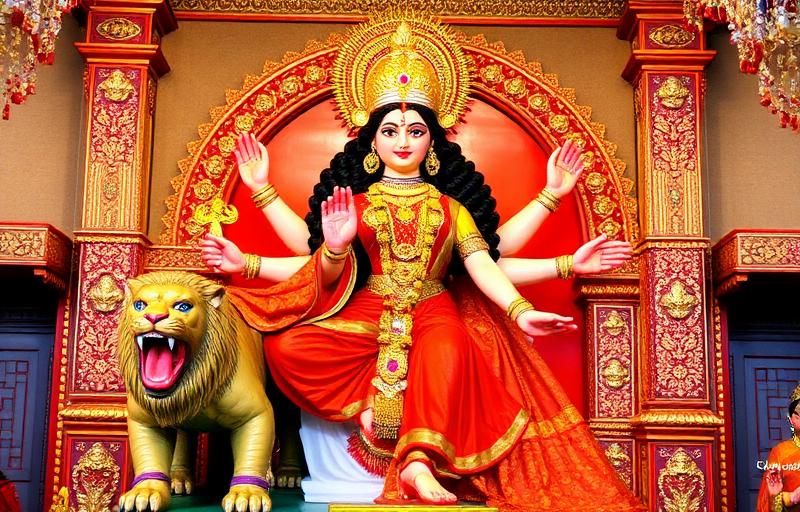
In the town of Datia in Madhya Pradesh stands the Pitambara Peeth, a revered spiritual centre dedicated to Goddess Baglamukhi, one of the ten Mahavidyas of Devi worship. Within the same complex also stands a temple to Goddess Dhumavati, another of the Mahavidyas, making the peeth a rare place where devotees can seek both goddesses together.
The peeth is regarded as one of the most important centres of Baglamukhi worship anywhere in India, drawing devotees from every part of the country and every walk of life.
History and the Founding Saint
The Pitambara Peeth was established in the twentieth century by the revered saint Swami Shri Ganeshanand Maharaj ji, fondly remembered by devotees simply as Swamiji Maharaj, whose deep tapasya and devotion to Baglamukhi gave the peeth its spiritual foundation. Under his guidance, the peeth grew from a place of personal sadhana into a major public centre of worship.
Devotees regard the saint's disciplic lineage as the living continuation of this devotion, with successive acharyas carrying forward the daily rituals and traditions established at the peeth's founding.
Significance: Protection and Steadfastness
Baglamukhi is traditionally worshipped as a goddess who grants courage, mental steadiness and protection from adversaries and obstacles, and devotees at Pitambara Peeth come seeking exactly this, strength in the face of difficulty, legal or personal struggles, and clarity of mind. Dhumavati, in turn, is approached by those seeking detachment from material anxiety and inner resilience.
As per tradition, the peeth is approached with sincerity and patience rather than haste, devotees believing that steadfast faith, not merely ritual, is what the goddess truly honours.
Darshan Guide and Rituals
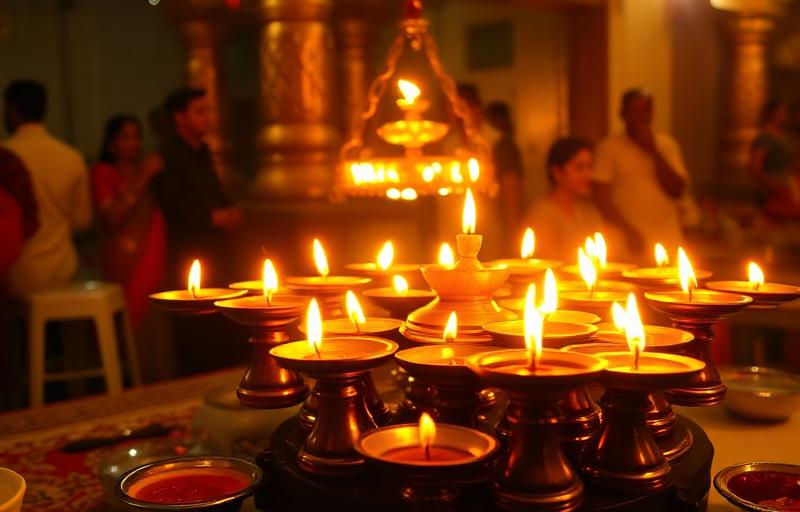
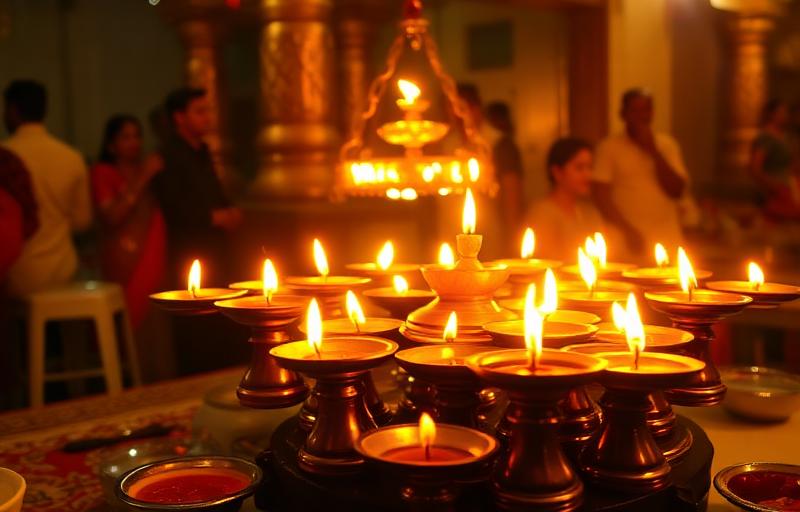
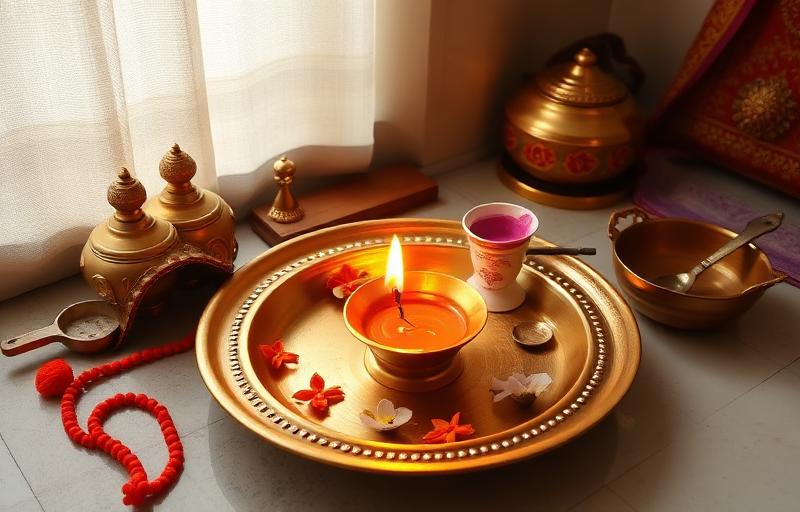
The peeth follows a structured daily schedule of aarti and havan, with devotees able to participate in collective prayers held at the complex. Many pilgrims also arrange personal havans here, guided by the peeth's priests, as an expression of dedicated prayer for a specific concern.
Tuesdays and Saturdays are traditionally considered significant days for Baglamukhi worship, and the peeth sees a steady flow of devotees through the year, with Navratri bringing particularly large gatherings.
How to Reach Datia
Datia has its own railway station, well connected on the Delhi-Chennai and Delhi-Mumbai rail routes, making it an easy stop for pilgrims travelling by train. The nearest airport is at Gwalior, a short drive away.
The Pitambara Peeth is situated within Datia town itself and is easily reached by local transport from the railway station.
Mantra and a Devotional Takeaway
The traditional Baglamukhi mantra chanted by devotees is Om Hleem Baglamukhi Sarvadushtanam Vacham Mukham Padam Stambhaya Jihvam Keelaya Buddhim Vinashaya Hleem Om Swaha, invoking the goddess's protective power to still confusion and grant clarity and courage.
Pitambara Peeth teaches devotees that faith can be both fierce and comforting, offering strength for life's hardest struggles while remaining rooted in humility. This worship is an act of faith and love, not a transaction.
Frequently Asked Questions
Which goddesses are worshipped at Pitambara Peeth?+
The peeth is home to temples of Goddess Baglamukhi and Goddess Dhumavati, both counted among the ten Mahavidyas.
Who founded the Pitambara Peeth in Datia?+
It was founded by the revered saint Swami Shri Ganeshanand Maharaj ji, known to devotees as Swamiji Maharaj.
What do devotees pray for at this peeth?+
Devotees traditionally seek courage, protection from obstacles, and mental steadiness, along with detachment from anxiety through the grace of Dhumavati.
About the author
Acharya Vinaya Kapoor · M.A. Sanskrit, Mantra & Stotra Studies
Acharya Vinaya holds an M.A. in Sanskrit from Banaras Hindu University and writes the mantra and stotra commentary on Vandnaa. Her focus is on accurate pronunciation, traditional context, and helping modern readers connect with classical texts.
Meet the Vandnaa editorial team →