What and When: Two Festivals, One Season
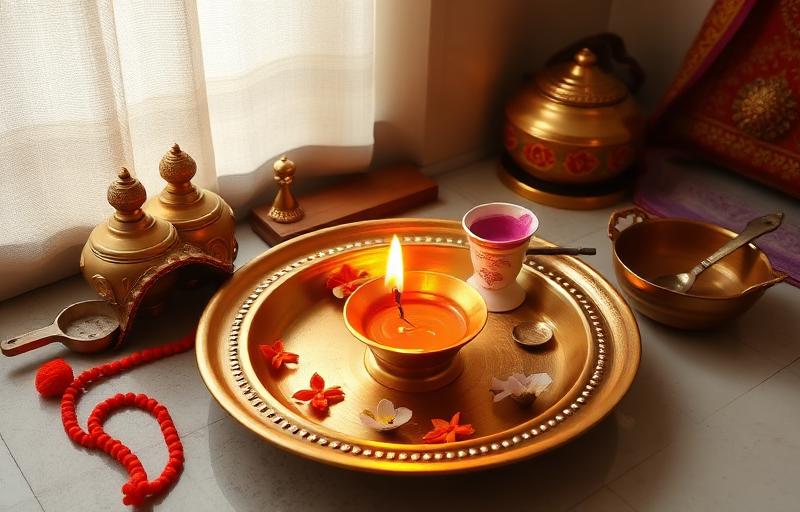
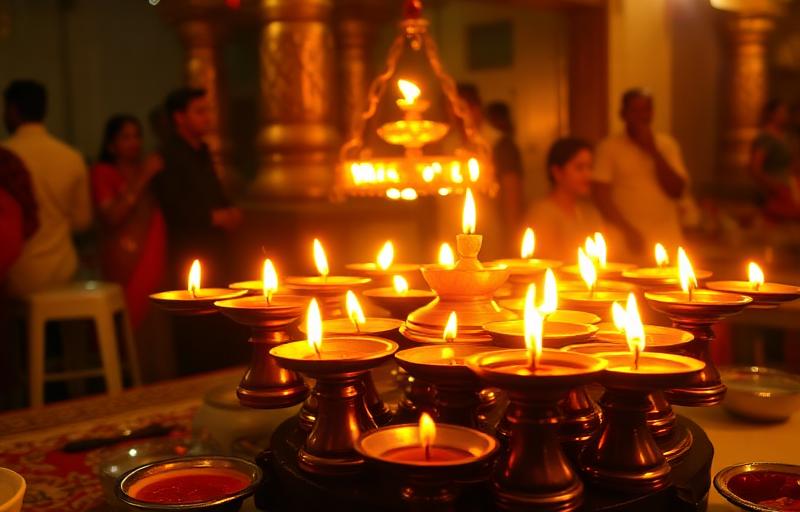
Pongal and Makar Sankranti are celebrated in the same window of mid-January, both marking the sun's entry into Makara and the arrival of the harvest season. Pongal is observed mainly in Tamil Nadu as a four-day festival, while Makar Sankranti in its many forms is celebrated across most of North, West and East India, usually as a one or two-day observance.
The underlying astronomical event, the sun's transition, is identical. What differs is the scale, the length, and the specific rituals each tradition has built around this shared solar moment.
The Four Days of Pongal
Pongal unfolds over four distinct days, each with its own purpose.
- Bhogi, the first day, involves discarding old items and lighting bonfires to mark new beginnings
- Thai Pongal, the main day, is when the special pongal dish of rice, milk and jaggery is boiled in a new clay pot until it overflows, a moment celebrated with the joyful cry "Pongalo Pongal"
- Mattu Pongal, the third day, honours cattle, who are bathed, decorated and worshipped for their role in agriculture
- Kaanum Pongal, the final day, is for family gatherings and visiting relatives
This four-day structure gives Pongal a rhythm that unfolds gradually, unlike the single-day observance common in the north.
Shared Roots, Different Stories
Both festivals draw from the same reverence for Surya Dev and the belief that Uttarayan, the sun's northward path, is spiritually auspicious. In Tamil tradition, Pongal is also linked to the story of Lord Shiva sending his bull Nandi to earth with a message, which Nandi delivered incorrectly, leading to abundant harvests and the tradition of honouring cattle during Mattu Pongal.
In North Indian tradition, Makar Sankranti carries the story of Bhishma Pitamah waiting for Uttarayan before leaving his body, and of the Ganga's descent, both reinforcing the sense that this period is one of purity and renewal.
Regional Flavour: What Sets Them Apart
The clearest difference lies in what is cooked and how. Pongal's centrepiece is the overflowing pot of sweet or savoury rice, a visual symbol of abundance, while Makar Sankranti in the north is better known for til-gud, khichdi and kite flying.
Pongal also carries a strong agrarian and cattle-centred identity through Mattu Pongal, while northern Makar Sankranti leans more toward solar worship, holy river baths and sky-facing celebrations like kite flying in Gujarat. Despite these differences, both festivals close with the same spirit of gratitude toward nature and the sun for a good harvest.
Mantra and Bhog
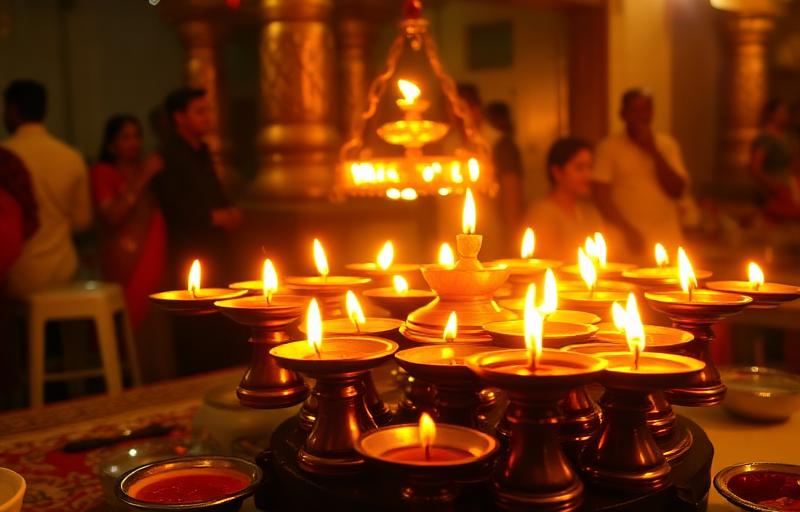
Both traditions offer prayers to Surya Dev at sunrise, often with the mantra Om Suryaya Namah. In Tamil Nadu, sweet pongal made with new rice, jaggery, moong dal and ghee is the primary bhog, shared with neighbours and offered at temples. In the north, til-gud laddoos and khichdi with ghee are the customary offerings.
The common thread is that both bhogs use the season's first grain and jaggery, a way of offering the harvest back to God before the family partakes of it.
One Harvest, Two Beautiful Expressions
Pongal and Makar Sankranti show how the same turn of the season can inspire two entirely different but equally heartfelt traditions. Neither is more correct than the other, they are simply different languages speaking the same devotion to the sun and gratitude for the harvest.
Worship is an act of faith and love, not a transaction, and seeing how these two festivals honour the same moment in their own ways is a gentle reminder of India's shared devotional spirit expressed through wonderfully diverse traditions.
Common Questions From Devotees
Are Pongal and Makar Sankranti the same festival?+
They mark the same solar event, the sun's entry into Makara, and fall around the same time in mid-January, but Pongal is a distinct four-day Tamil tradition with its own rituals like Mattu Pongal, while Makar Sankranti takes different regional forms elsewhere in India.
Why does Pongal last four days while Makar Sankranti is usually one day?+
Tamil tradition built a structured sequence around the harvest, honouring discarding the old, the sun, cattle and family across four separate days, while most northern traditions concentrate the same themes into a single day of celebration.
What is common between Pongal and Makar Sankranti?+
Both honour Surya Dev, celebrate the harvest with the season's new grain and jaggery, and are rooted in the belief that Uttarayan is a spiritually auspicious time.
About the author
Pandit Mahesh Trivedi · Festival Traditions & Panchang
Pandit Mahesh leads the festival-date and Panchang content on Vandnaa. He cross-references multiple regional panchangs (Drik, Vaishnava, Bengali, Marathi) for every festival date published on the site.
Meet the Vandnaa editorial team →