The Hilltop Shrine at the Heart of Ranchi
Rising above the rooftops of Ranchi, Jharkhand, a small hillock crowned with a white shrine has become one of the city's most recognisable devotional landmarks. Known simply as Pahari Mandir, meaning hill temple, this shrine is dedicated to Lord Shiva and sits at the heart of a city whose very name evokes its hilly terrain.
Devotees climb several hundred steps cut into the hillside to reach the summit, and the physical effort of the ascent is, for many, itself a form of devotion offered to Shiva.
History and Tradition of the Hill
Local tradition holds that this hillock has been a site of Shiva worship for generations, long before Ranchi grew into the city it is today. Over time, a proper shrine was raised at its summit, and the steps leading up were built to allow devotees easier passage.
The hill's height offers a wide view over Ranchi, and this vantage point has, in more recent times, also made the site a place where the national flag is hoisted on important civic occasions, a practice that sits alongside its older identity as a place of quiet Shiva worship.
Significance and What Devotees Pray For
For the people of Ranchi, Pahari Mandir is far more than a scenic spot, it is a place of everyday faith where residents come for a quiet moment of prayer, especially during the evening hours.
- Devotees offer water and bel leaves to the Shivling as an expression of simple, heartfelt devotion
- The climb itself is treated as an act of discipline and surrender
- Many locals visit at sunrise or sunset, when the climate is cooler and the view especially serene
- The temple draws devotees from across Ranchi regardless of how far they live, considered an accessible place to seek Shiva's blessing
Darshan Guide, Timings and Shivratri Mela

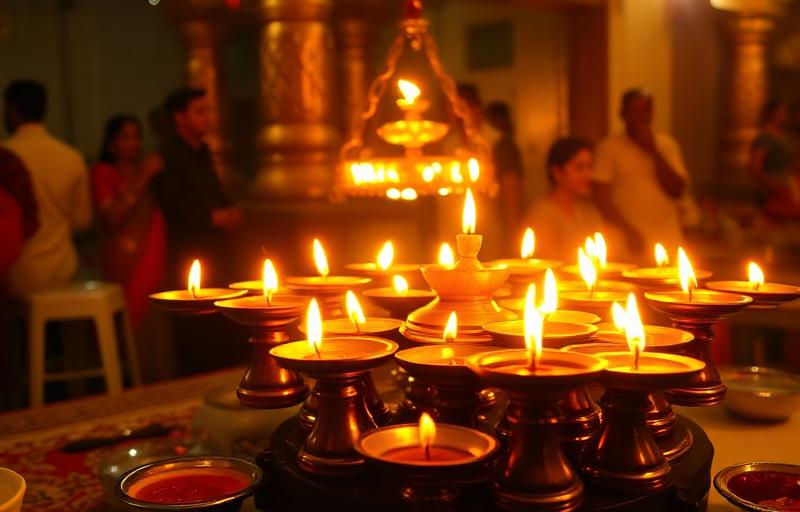
Pahari Mandir opens early in the morning and remains accessible through the evening, with the climb best undertaken in the cooler hours of the day. Maha Shivratri transforms the hill into the site of a major mela, when devotees climb through the night in long, devoted queues, and the entire hillside glows with lamps.
Monday evenings, considered especially dear to Shiva, also see a steady stream of devotees making their way up the steps.
How to Reach Pahari Mandir, Ranchi
Pahari Mandir sits within Ranchi city itself, making it one of the most easily accessible pilgrim sites on this list. Ranchi railway station and Birsa Munda Airport both connect the city to the rest of India, and the temple hill is a short taxi or auto-rickshaw ride from either.
Local buses and shared autos also ply routes passing close to the base of the hill, from where the climb to the summit begins.
Mantra to Chant and the Takeaway
Devotees climbing to Pahari Mandir often chant Om Namah Shivaya with each step, turning the ascent itself into a moving meditation.
The steady climb to this hilltop shrine reflects a simple truth many devotees carry in their hearts, that reaching the divine often asks for steady, patient effort rather than a single grand gesture. Worship here is an act of faith and love, not a transaction.
Frequently Asked Questions
Which deity is worshipped at Pahari Mandir, Ranchi?+
Pahari Mandir is dedicated to Lord Shiva, and devotees climb the hillock's many steps to offer water and bel leaves at the Shivling enshrined at its summit.
Why is Pahari Mandir significant to the people of Ranchi?+
Beyond its scenic hilltop setting, it is regarded as an accessible everyday place of Shiva worship at the heart of the city, drawing devotees for both quiet prayer and the major Shivratri mela.
When is the best time to visit Pahari Mandir?+
Early mornings and evenings are most pleasant for the climb, while Maha Shivratri sees the hill at its most devotional, with long queues of pilgrims through the night.
About the author
Pandit Ravindra Sharma · Vedic Rituals & Bhakti, 22+ years
Pandit Ravindra is the Vandnaa editorial team's resident specialist on aarti, chalisa, and daily devotion. He has performed home and temple pujas across Varanasi and Delhi for over two decades and contributes the bhakti-focused articles on this site.
Meet the Vandnaa editorial team →