What is Rangoli? Beyond Decoration
Rangoli is the ancient Indian art of creating geometric patterns at the entrance of homes, courtyards, and temples using rice flour, colored powders, flower petals, or stones. Different regions call it different names: Rangoli (Hindi-speaking states, Maharashtra), Kolam (Tamil Nadu, Karnataka), Alpana (Bengal, Odisha), Muggu (Andhra), Mandana (Rajasthan), Aripana (Bihar/Mithila), Chowkpurana (Uttar Pradesh). All are versions of the same spiritual practice. The deeper meaning: A rangoli at the threshold serves 5 simultaneous purposes: 1. Welcoming Lakshmi - patterns specifically designed to invite Lakshmi (especially lotus motifs) into the home. The geometry creates an 'energetic entrance' just like the physical doorway. 2. Driving away Alakshmi - disorderly patterns at the threshold confuse and repel negative energy entities. 3. Feeding small creatures - rice flour rangoli traditionally feeds ants, birds, mice (the karmic principle of feeding even smallest creatures earns daily merit). 4. Daily meditative practice - making rangoli for 20-30 minutes daily is a moving meditation; calms the mind. 5. Cultural identity - the front-door rangoli proclaims 'this is a Hindu/Indian household'. The sacred geometry: Most traditional rangoli patterns are based on the Sri Yantra (sacred geometric symbol of cosmic creation), mandala forms, or specific Vedic 'Yantras'. The mathematical symmetry of these patterns aligns with brain hemispheres - making the act of creating them deeply meditative. Materials traditionally used: 1. Rice flour - the most sacred (offering to small creatures). 2. Limestone powder - for white outlines. 3. Charcoal - for black. 4. Turmeric - yellow. 5. Sindoor/kumkum - red. 6. Flower petals - for special occasions (jasmine, marigold, rose). 7. Wet rice flour paste - Tamil Kolam tradition. Modern materials: synthetic colored powder, chalk, plastic rangoli stickers (debatable - less spiritual but easier).
9 Traditional Rangoli Patterns & What They Mean
1. Lotus (Padma): The most common pattern. 8-petal or 16-petal lotus represents Lakshmi (Padma is one of her names). The lotus rising from mud symbolizes spiritual transcendence. Use this DAILY at threshold. 2. Swastika: Sacred symbol of well-being. The 4 arms represent the 4 Vedas, 4 directions, 4 stages of life. Draw clockwise (anti-clockwise is associated with non-Hindu meanings post-WWII). Used during Diwali, Janmashtami, weddings. 3. Sri Yantra simplified: 9 interlocking triangles. This is THE most powerful Lakshmi-attracting pattern. Draw for major puja days, Diwali, when wanting financial breakthrough. Complex; takes practice. 4. Lakshmi's feet (Padaravinda): Stylized footprints of Goddess Lakshmi pointing INTO the house from the threshold. Used during Diwali, Lakshmi Puja, Margashirsha Thursday (Lakshmi day). Symbolic 'invitation' for Lakshmi to walk in. 5. Peacock: Saraswati's vehicle (some say Kartikeya's). Represents beauty, knowledge, immortality (peacock kills snakes - overcomes negativity). Popular in South Indian Kolam. 6. Conch and Discus (Shankha Chakra): Vishnu's symbols. Used during Vaishnava puja days, Ekadashi, Janmashtami. 7. Tulsi plant in pot: Pure Vaishnava motif. Family deity-aligned families draw this during Ekadashi, Krishna festivals. 8. Diya (lamp) cluster: 5-9-21 diya patterns in a row. Used during Diwali, Karva Chauth, religious festivals. 9. Mandala / circular pattern: General cosmic pattern. Used for any general auspicious occasion. Festival-specific designs: 1. Diwali: lotus + Lakshmi feet + diya cluster + Swastika. 2. Holi: vibrant colored geometric patterns. 3. Pongal/Makar Sankranti: sugarcane and rice motifs. 4. Onam: flower petal rangolis (Pookalam) with red-yellow-white pattern. 5. Janmashtami: Krishna's flute + Tulsi plant + Cow + Peacock feather. 6. Navratri: 9-petal lotus (one per day), Devi yantra, Trishul. 7. Wedding: lotus + Swastika + Shree symbol + bride and groom motifs. Color symbolism: White (purity/Sattva), Red (love/Shakti), Yellow (knowledge/Vishnu), Green (growth/Lakshmi), Blue (calm/Krishna), Orange (sacrifice/divine).
Regional Varieties - Same Practice, Different Names
1. Tamil Nadu - Kolam: Done DAILY by women at sunrise. Uses dry rice flour. Connected dots forming geometric patterns. The unbroken-line patterns are most sacred - symbolic of cosmic continuity. Famous styles: 'pulli kolam' (dot kolam), 'sikku kolam' (interlocking kolam - extremely intricate). Made fresh each day, washed away by evening. The constant 'making and unmaking' is a daily meditation on impermanence. 2. Andhra Pradesh - Muggu: Similar to Tamil Kolam but with more geometric variety. Done DAILY at sunrise. 3. Karnataka - Rangavalli: Mix of free-form Rangoli + geometric Kolam style. 4. Maharashtra - Rangoli: Bold colored patterns. Most well-known during Diwali. Free-form designs with flower-like patterns and Lakshmi-feet motifs. 5. Gujarat - Rangoli: Similar to Maharashtra but often with mirror-work integration. Famous for elaborate Diwali rangolis at temple entrances. 6. Bengal - Alpana: Made with WET RICE PASTE applied with finger or rolled cloth - soft, romantic style. White on red mud floor traditionally. Used during Durga puja, Lakshmi puja, weddings. 7. Odisha - Jhoti: Same as Alpana but with regional motifs (Jagannath, conch, lotus). 8. Rajasthan - Mandana: Geometric red ochre patterns on white-washed walls and floors. Tribal-influenced, bold lines. 9. Bihar (Mithila) - Aripana: Highly geometric, often using rice paste. Connected to Madhubani art traditions. 10. Punjab - Chowk-Purana: 'Filling the chowk (courtyard)'. Generally simpler patterns; bright colors during Lohri and weddings. 11. Uttar Pradesh - Rangoli/Chowkpurana: Mix of colored powder and chalk. Best practice: respect your regional tradition; learn from elders in your family. Each region's pattern carries 500-1000 years of accumulated spiritual energy in that geographic area.
Rules of Rangoli + Modern Relevance
DOs: 1. Make rangoli in the morning between sunrise and 9 AM. 2. Clean the area thoroughly first - rangoli on dirty floor loses its sacredness. 3. Use natural materials when possible (rice flour, turmeric, etc.) - feeds creatures, eco-friendly. 4. Make symmetric patterns - symmetry is the foundation of sacred geometry. 5. Make rangoli daily if possible; especially Friday (Lakshmi day), Saturday (cleansing), Tuesday (protection). 6. Festival-specific rangolis on appropriate days. 7. Family activity - children learn cultural identity, women bond. DON'Ts: 1. Don't make rangoli at night (energy is dormant). 2. Don't use non-vegetarian symbols or violent imagery. 3. Don't make rangoli without bathing first. 4. Don't allow rangoli to remain overnight unwashed (energy stagnates). 5. Don't make rangoli during menstruation in some strict traditions (modern flexible view debates this). 6. Don't make swastika in non-traditional rotations. 7. Don't use plastic-based 'instant rangoli stickers' as substitutes during major puja (they have zero spiritual weight; OK for decoration only). Modern relevance: 1. Apartment dwellers: make small rangoli at flat's main door - 1 foot diameter sufficient. 2. Working professionals: even a 5-minute simple lotus rangoli before leaving home counts. 3. No outdoor space: make rangoli on a wooden board kept at the puja altar. 4. Diaspora Indians: chalk-based rangoli on terrazzo or driveway works. 5. Color preferences: traditional natural colors are best, but synthetic acceptable if natural is unavailable. Why daily rangoli still matters in 2026: Studies show daily traditional art-making (like rangoli) for 15-20 minutes improves focus, reduces anxiety, increases creativity, and strengthens family bonding. The 'meditative making' aspect is well-documented in art-therapy literature. Beyond spirituality - it's a powerful self-care practice.
Quick Answers
How long does it take to learn rangoli making?+
Basic patterns (lotus, simple Swastika): 2-4 weeks of daily practice. Intermediate (geometric mandalas): 3-6 months. Advanced (Sri Yantra, intricate kolam): 1-3 years. Start with grid-based practice - draw dots first, then connect. YouTube has thousands of tutorials. Best teachers: your mother/grandmother (multi-generational knowledge), local women's groups, online communities like RangoliArtIndia. Don't aim for perfection initially - the act of making is the practice.
Can men make rangoli?+
Absolutely - no gender restriction. Traditional perception was women's practice because women managed home thresholds, but men are equally welcome. Many male rangoli champions exist (especially Bengali alpana artists). Modern progressive families have father+son rangoli sessions. The energetic effect is the same regardless of gender. The patriarchal restriction has no scriptural basis.
What if I'm in a country where outdoor rangoli isn't possible?+
Many alternatives: 1. Indoor rangoli at puja altar - use rice flour or chalk on a wooden board or directly on tiled floor. 2. Temporary chalk rangoli at entrance - wipes clean later. 3. Rangoli plate - fill a brass/copper plate with sand, draw rangoli in it. 4. Photo/print rangoli as decoration - less spiritual but acceptable as visual reminder. 5. Mental rangoli - visualize during meditation. The intent + visualization matters; physical rangoli is preferred but not mandatory. Diaspora Hindus globally maintain rangoli traditions creatively.
What should I do with the rangoli at end of day?+
Traditional: wash away with water before sunset OR let it disperse naturally overnight (wind, ants). NEVER let it stay overnight on threshold if it's been there for full day - accumulated negativity attaches. Modern apartment: gently sweep up at evening, dispose of materials respectfully (not in regular trash if rice flour). Festival rangolis: can stay for 3 days max during festival period. Wedding/major occasion rangolis: stay 1 day, then washed.
About the author
Pandit Mahesh Trivedi · Festival Traditions & Panchang
Pandit Mahesh leads the festival-date and Panchang content on Vandnaa. He cross-references multiple regional panchangs (Drik, Vaishnava, Bengali, Marathi) for every festival date published on the site.
Meet the Vandnaa editorial team →Explore on Vandnaa
Related Articles
Diya Jalane Ke Niyam: Right Direction, Best Oil, Number of Wicks & What Every Flame Means
8 min read
Lakshmi Ashtottara - Complete 108 Names of Goddess Lakshmi for Wealth & Prosperity
12 min read
16 Shringar (Solah Shringar): Bridal Significance of Each Item
9 min read
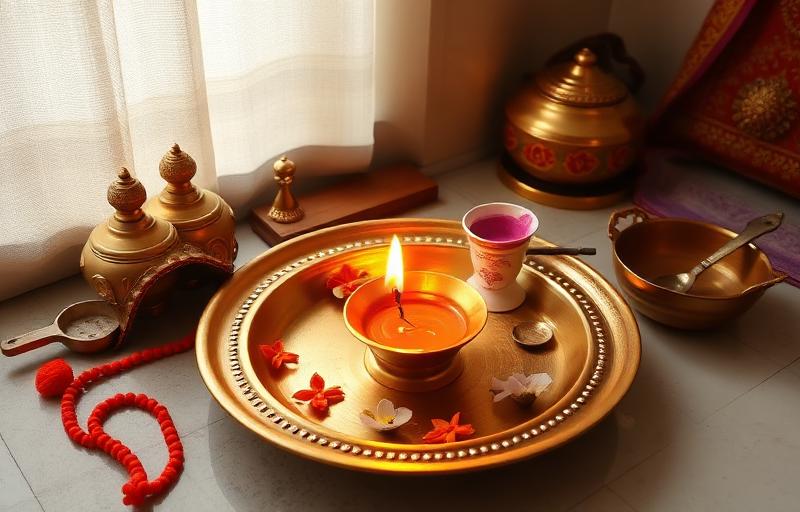
Home Temple Setup: Vastu, Direction, Items & Complete Guide
9 min read
Why We Ring Bell in Temple - 7 Spiritual & Scientific Reasons (Complete Guide)
8 min read