What Is Rudraksha
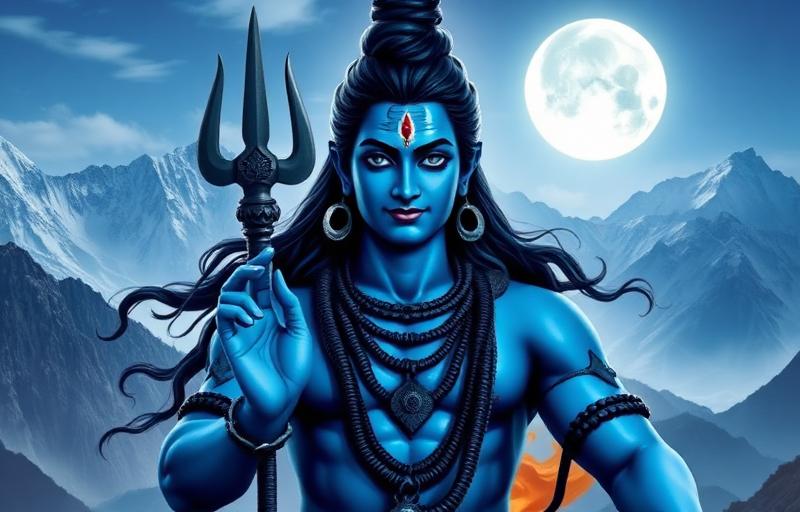
Rudraksha is a sacred seed that comes from the fruit of the Rudraksha tree, found in the Himalayan foothills and parts of Nepal, Indonesia and South India. The word itself comes from two Sanskrit roots, Rudra (a name of Shiva) and aksha (eye or tear), so Rudraksha is understood as "the eye of Rudra" or "tears of Rudra".
Devotees have worn Rudraksha as beads, malas and bracelets for centuries, treating it as one of the most cherished objects connected to Lord Shiva. It is used both as an ornament of devotion and as a mala for chanting mantras during meditation and daily puja.
The Story Behind Rudraksha
According to tradition, Rudraksha trees are said to have grown from the tears of Lord Shiva. One popular telling in the Puranas describes Shiva, moved by compassion at the suffering of living beings, closing his eyes in deep meditation for the welfare of the world; when he opened them, tears are said to have fallen to the earth, and from these grew the first Rudraksha trees.
Because of this legend, Rudraksha has always been associated closely with Shiva's grace and compassion rather than with any worldly gain. It is regarded less as an object of power and more as a reminder of a devotee's bond with Shiva.
Mukhis - The Different Types of Rudraksha
Every Rudraksha bead has natural lines on its surface called mukhis, or faces, and tradition classifies beads by how many mukhis they carry, generally counted from one to twenty-one or more.
- Ek Mukhi (one face) - considered rare and is associated directly with Shiva
- Panch Mukhi (five faces) - the most common type, worn widely by devotees and associated with the five faces of Shiva
- Rudraksha with other mukhis - from two to twenty-one faces, each traditionally linked in popular belief with a different deity or quality
Across most traditions, the five-faced (panchmukhi) Rudraksha is considered suitable for everyday wear and is the one most commonly strung into malas for japa.
How Rudraksha Is Worn and Used
Rudraksha beads are usually strung into a mala of 108 beads (plus one additional bead called the sumeru or meru) for chanting, or into a shorter strand worn as a necklace or bracelet.
Before wearing, many devotees cleanse the beads with clean water and offer a short prayer, sometimes chanting Om Namah Shivaya (I bow to Shiva) while doing so. The mala can then be worn around the neck or wrist, or kept purely for japa, held in the right hand and moved bead by bead with the thumb while reciting a mantra.
Benefits as Per Tradition and a Simple Takeaway
Tradition holds that wearing or using Rudraksha helps calm the mind, supports focus during meditation and japa, and keeps a devotee connected to Shiva's presence through the day. Elders often say it brings a sense of steadiness and protection, though this is a matter of faith rather than a guaranteed outcome.
What matters most is not the market claims around rare mukhis or price, but the sincerity with which the bead is worn. A simple, genuine Rudraksha worn with devotion and regular japa is, as per tradition, far more meaningful than an expensive one worn without faith. Worship is an act of faith and love, not a transaction.
Common Questions From Devotees
How many mukhis does a Rudraksha have?+
Rudraksha beads are traditionally classified by the number of natural lines, or mukhis, on their surface, ranging from one to twenty-one or more, with the five-faced (panchmukhi) type being the most common and widely worn.
Can anyone wear Rudraksha?+
Yes, as per tradition Rudraksha can be worn by anyone with sincere devotion; there is no strict restriction, and it is commonly worn by devotees of Shiva across ages and backgrounds.
How should a Rudraksha mala be cared for?+
Devotees generally keep the mala clean, avoid exposing it unnecessarily to water or oil, and handle it with respect, often keeping it wrapped in a soft cloth when not worn.
About the author
Pandit Mahesh Trivedi · Festival Traditions & Panchang
Pandit Mahesh leads the festival-date and Panchang content on Vandnaa. He cross-references multiple regional panchangs (Drik, Vaishnava, Bengali, Marathi) for every festival date published on the site.
Meet the Vandnaa editorial team →