What Is Tilak
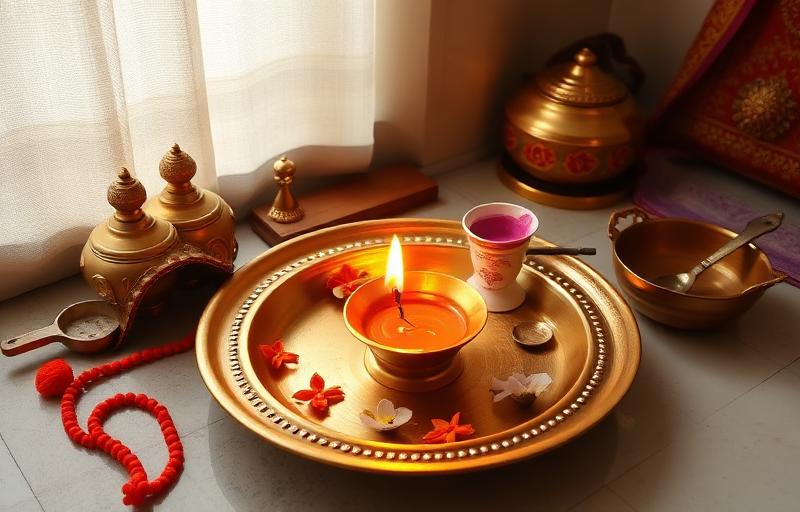
Tilak is the sacred mark applied on the forehead, and sometimes on the arms, chest and neck, before and during worship in Hindu tradition. It is made using sandalwood paste, kumkum, turmeric, or vibhuti (sacred ash), depending on the deity and the tradition a devotee follows.
Far more than a decorative dot, tilak is applied consciously as an act of devotion, usually after a bath and before sitting for puja, and is considered a visible sign of one's faith and discipline.
Where the Practice Comes From
The practice of marking the forehead is ancient and is mentioned across Hindu texts and traditions, tied closely to the point between the eyebrows regarded as the seat of the ajna chakra, or the seat of inner concentration. Sages, priests and devotees have long applied tilak as part of daily worship and before any auspicious undertaking.
Over time, different sampradayas (traditions) within Hinduism developed their own styles of tilak, so that the mark itself came to show which form of the divine a devotee was especially devoted to, while still being rooted in the same spirit of humility before God.
The Main Types of Tilak
- Vaishnav Tilak (Urdhva Pundra) - a U-shaped or two-line mark made with sandalwood paste, worn by devotees of Vishnu and his forms
- Shaiva Tilak (Tripundra) - three horizontal lines made with vibhuti (sacred ash), worn by devotees of Shiva
- Shakta Tilak - typically a round kumkum dot, worn by devotees of the Devi
- Simple kumkum or chandan dot - worn broadly by devotees across traditions in everyday worship
Each style is a quiet marker of a devotee's chosen path of worship, though many devotees also wear a simple tilak without strict adherence to one tradition.
How and When Tilak Is Applied

Tilak is usually applied with the ring finger or middle finger, or with a small implement in the case of sandalwood paste, after washing the hands and face. Many devotees apply it right after their daily puja, while some also apply it before leaving home, especially on festival days or before an important task.
A short prayer or the name of one's chosen deity is often recited while applying tilak, turning a simple daily habit into a moment of remembrance of the divine.
The Deeper Significance
At its heart, tilak is a reminder to the wearer, not a display for others: a mark placed at the seat of concentration to encourage a steady, humble mind through the day. Elders often say that wherever a devotee goes, the tilak quietly reminds them that they carry their faith with them.
Whichever style a family follows, the practice teaches the same lesson, that devotion begins with a small, consistent act done with sincerity. Worship is an act of faith and love, not a transaction.
Reader Questions Answered
What is tilak made of?+
Tilak is commonly made from sandalwood paste, kumkum, turmeric or vibhuti (sacred ash), with the material often depending on the deity being worshipped and the family's tradition.
Why is tilak applied on the forehead specifically?+
The forehead, particularly the point between the eyebrows, is traditionally regarded as the seat of concentration, so tilak is applied there as a reminder to keep the mind focused and humble before the divine.
Is there one correct way to apply tilak?+
There is no single correct way; different traditions within Hinduism, such as Vaishnav, Shaiva and Shakta, each have their own accepted style, and devotees generally follow the practice passed down in their family or chosen path.
About the author
Pandit Mahesh Trivedi · Festival Traditions & Panchang
Pandit Mahesh leads the festival-date and Panchang content on Vandnaa. He cross-references multiple regional panchangs (Drik, Vaishnava, Bengali, Marathi) for every festival date published on the site.
Meet the Vandnaa editorial team →