
What Is Samsara?
Samsara is the continuous cycle of birth, death and rebirth (punarjanma) through which the soul (jiva) passes, life after life. The word literally means 'wandering' or 'flowing together' - the soul wandering through countless bodies and lifetimes.
According to Hindu thought, death is not the end. The Atman is eternal; when one body falls away, the soul takes another, carrying with it the impressions of past actions. Where and how we are reborn is shaped by our karma - the moral quality of our deeds.
This wheel turns on because the soul, caught in maya and identifying with the body, keeps acting out of desire and attachment, sowing fresh karma that draws it into yet another birth. Breaking free from this cycle is the deepest aim of the spiritual life.
Samsara in the Gita and Upanishads
The Bhagavad Gita describes rebirth with its most famous image:
'Vasamsi jirnani yatha vihaya navani grihnati naro parani' - 'Just as a person casts off worn-out garments and puts on new ones, so the soul casts off worn-out bodies and enters new ones' (Gita 2.22).
The Gita also assures us that no spiritual effort is ever wasted across lifetimes - a sincere seeker who does not finish the journey is born again in a favourable home to continue (Gita 6.41-43). And it warns that those who die thinking of the Divine attain the Divine (Gita 8.5-6) - our state of mind matters.
The Upanishads describe the soul moving on after death according to its karma and knowledge. The Katha Upanishad, in the dialogue of young Nachiketa with Yama (Death), explores this very mystery of what survives death and how to transcend the cycle.
Samsara, Karma and Moksha
Samsara, karma and moksha are deeply linked:
- Karma drives samsara - our actions and their fruits keep the wheel turning, leading the soul from one birth to the next.
- Maya keeps us bound - forgetting our true nature, we cling to the body and chase desires, sowing fresh karma.
- Moksha is liberation - the release from the cycle of rebirth, when the soul realises its oneness with Brahman and is no longer drawn back into birth.
Moksha is the fourth and highest of the four aims of life (purusharthas), beyond dharma, artha and kama. The classic paths to it are karma yoga (selfless action), bhakti yoga (loving devotion), jnana yoga (knowledge of the Self) and raja yoga (meditation). Through any of these, lived with sincerity, the soul exhausts the karma that binds it and is set free.
What Samsara Teaches Us
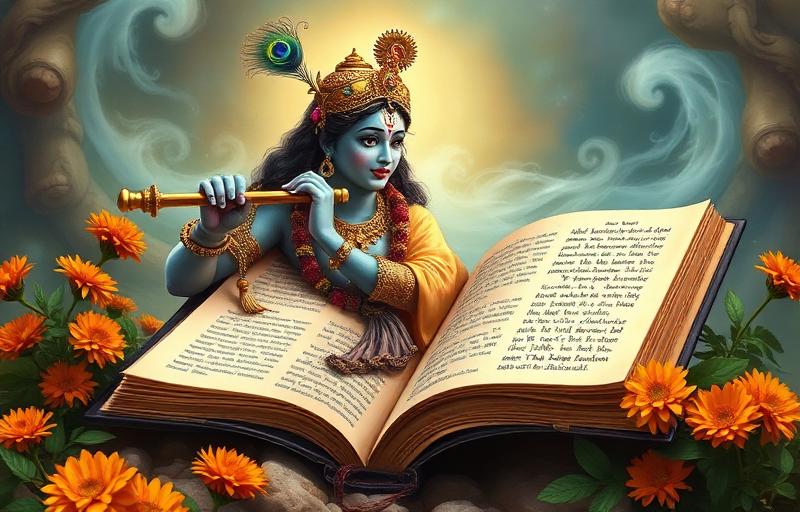
The teaching of samsara is not meant to frighten but to awaken:
- Life is precious and purposeful - a rare human birth is an opportunity to grow spiritually and move toward liberation, not to waste.
- Death is a doorway, not an end - this brings comfort in grief and lessens the fear of dying.
- Our actions follow us - knowing that karma shapes future births inspires us to live with integrity, kindness and devotion now.
- The goal is freedom - true rest is not in endlessly chasing pleasures within the cycle but in moving beyond it to lasting peace.
Understood rightly, samsara gives life both urgency and hope - urgency to use this birth well, and hope that the soul's long journey leads, in the end, home to the Divine.
What People Ask Most
What is samsara in Hinduism?+
Samsara is the continuous cycle of birth, death and rebirth through which the soul travels, life after life. Driven by karma, the eternal soul takes new bodies one after another until it attains moksha, liberation from the cycle.
What drives the cycle of rebirth?+
Karma drives samsara. Our actions and their fruits, together with desire and attachment born of maya, keep the soul bound to the wheel of rebirth. Each life sows fresh karma that draws the soul into another birth.
How does one escape samsara?+
Escape from samsara is moksha - liberation. It comes through realising the soul's oneness with Brahman and exhausting binding karma. The classic paths are karma yoga, bhakti yoga, jnana yoga and raja yoga, lived with sincerity and surrender to God.
What does the Gita say about rebirth?+
The Gita compares rebirth to changing clothes - the soul casts off worn-out bodies and takes new ones (Gita 2.22). It assures that no spiritual effort is wasted across lives (Gita 6.41-43) and teaches that those who remember the Divine at death attain the Divine (Gita 8.5-6).
About the author
Anjali Mehta · Editor, M.A. Religious Studies
Anjali is the managing editor for Vandnaa and oversees the festival and vrat coverage. She holds an M.A. in Religious Studies and reviews every published article for accuracy, accessibility, and tradition-fidelity.
Meet the Vandnaa editorial team →