Sandalwood in Hindu Tradition
Sandalwood, known as chandan, comes from the heartwood of the sandalwood tree and has been treasured in Hindu worship for its cooling fragrance and smooth paste for generations. Unlike flowers that wilt within a day, dried sandalwood and its paste can be kept and used over time, making it a staple in the puja items of most Hindu households.
Its fragrance, gentle and long-lasting rather than sharp, has traditionally been associated with calm, purity and the kind of stillness devotees seek to bring to their mind before worship.
Chandan in Puja Offerings
Sandalwood paste is one of the traditional shodashopachara, the sixteen offerings made during a formal puja, applied to the deity's idol as a mark of honour and welcome. Many deities, particularly Vishnu and his forms, are traditionally offered chandan as part of daily worship, sometimes alongside tulsi leaves.
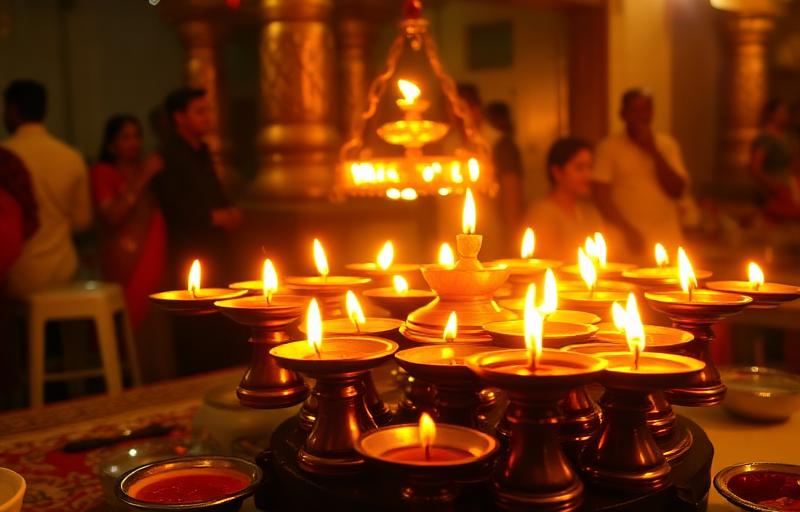
Sandalwood is also burned as incense or combined with other fragrant woods in dhoop, filling the space of worship with a scent tradition considers naturally purifying and conducive to a focused, peaceful mind.
The Significance of the Chandan Tilak
Applying a chandan tilak to the forehead, between or above the eyebrows, is one of the most familiar daily gestures in Hindu practice. The spot is traditionally understood as a point of focus and inner attention, and marking it with cooling sandalwood paste is believed to carry both a devotional and a calming significance.
Different traditions and sects shape the tilak differently, and Vaishnava devotees in particular are often recognised by the distinct vertical chandan markings associated with their worship of Vishnu. Regardless of shape, the underlying idea remains consistent: a mark of devotion, humility and remembrance carried through the day.
How Chandan Is Prepared and Used
- Traditionally, a sandalwood block is ground on a flat stone (chandan ka patta) with a little water to form a smooth paste
- The paste is applied to the deity's idol during puja, and a small portion is kept aside for the tilak
- Sandalwood powder is sometimes mixed with other items like kumkum for specific rituals
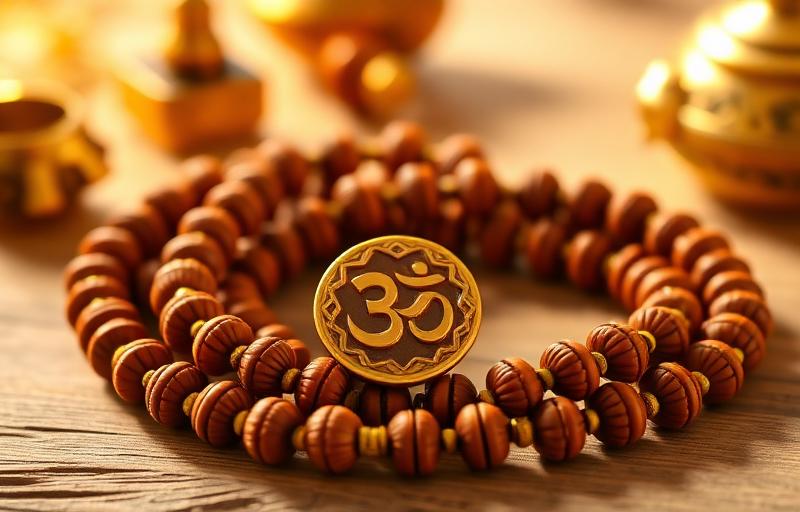
- Sandalwood garlands or beads (mala) are worn by some devotees during periods of prayer or meditation
- Leftover paste is never discarded carelessly, and is often wiped respectfully rather than washed away in haste
Why Chandan Is Considered Sacred
As per tradition, sandalwood's cooling nature is seen as a counterbalance to the heat of anger, ego and restlessness, qualities devotees try to set aside before worship. Applying it to both the deity and oneself is believed to create a shared state of calm between the devotee and the divine.
Sandalwood trees also take years to mature and develop their fragrance, and this slow, patient growth is sometimes seen as a reflection of true devotion itself, something built gradually rather than rushed.
A Simple Takeaway for Daily Life
Chandan reminds us that small, repeated gestures, a dab of paste on the forehead each morning, can carry as much devotional weight as elaborate rituals, if done with sincerity and attention. Its coolness is a quiet invitation to slow down before the day begins.
Applying chandan tilak, or simply pausing to notice its fragrance during puja, is an act of faith and love, not a transaction. It is a small, steady practice that has connected devotees to calm and remembrance for generations.
Reader Questions Answered
Why is sandalwood (chandan) used in Hindu puja?+
Sandalwood is valued for its cooling, long-lasting fragrance and is one of the traditional sixteen offerings made to a deity during formal worship, believed to bring purity and calm to the space of puja.
What is the significance of applying chandan tilak on the forehead?+
The forehead is traditionally understood as a point of focus and inner attention, and marking it with cooling sandalwood paste is believed to carry devotional meaning while also encouraging a calm, centred mind.
How is sandalwood paste traditionally prepared?+
A block of sandalwood is traditionally ground on a flat stone with a little water until a smooth paste forms, which is then used both for the deity's idol during puja and for the devotee's own tilak.
About the author
Pandit Mahesh Trivedi · Festival Traditions & Panchang
Pandit Mahesh leads the festival-date and Panchang content on Vandnaa. He cross-references multiple regional panchangs (Drik, Vaishnava, Bengali, Marathi) for every festival date published on the site.
Meet the Vandnaa editorial team →