What is Sankashti Chaturthi? Why It's Monthly
Sankashti Chaturthi (also written Sankashtahara Chaturthi) is the monthly vrat dedicated to Lord Ganesh, observed on the 4th tithi (Chaturthi) of every Krishna paksha (waning moon fortnight). The word 'Sankashti' means 'crisis' or 'obstacle' and 'Chaturthi' is the 4th lunar day. Together, 'Sankashti Chaturthi' literally means 'the 4th day for removing crises'. Ganesh is the Vighnaharta (remover of obstacles), and on this specific lunar phase, his obstacle-removing power is at peak. Devotees fast from sunrise until moonrise, then break the fast (called 'moonrise breaking' - chandra darshan) only after worshipping the moon and Ganesh together. This makes Sankashti unique among Hindu fasts - most vrats end at sunset, but Sankashti specifically waits for moon. The vrat is mentioned in the Skanda Purana, Bhavishya Purana, and Ganesh Purana. It is observed across India but especially intensely in Maharashtra (where it's called 'Sankashtahar'), Tamil Nadu (called 'Sankashta Hara Chaturthi'), and Karnataka. The 12 yearly Sankashti Chaturthis are each named after a specific Ganesh form - Vakratunda, Ekadanta, Krishnapingaksha, Gajavaktra, etc. - each granting one specific blessing. The Tuesday Sankashti is called 'Angarki Chaturthi' and is considered 100x more powerful than regular Sankashti.
All 12 Sankashti Chaturthi Dates in 2026
1. January Sankashti - Sakat Chauth / Tilkuta Chauth (January 6, 2026, Tuesday) - Angarki Chaturthi (Tuesday + Sankashti = 100x power)! Special significance: mothers fast for sons' long life. Devote-form name: Vakratunda. 2. February Sankashti - Dwijapriya Sankashti (February 5, 2026, Thursday) - for blessings on intellect and Brahmin worship. Devote-form: Dwijapriya. 3. March Sankashti - Bhalachandra Sankashti (March 6, 2026, Friday) - for prosperity. Devote-form: Bhalachandra. 4. April Sankashti - Vikat Sankashti (April 5, 2026, Sunday) - for removing major obstacles. Devote-form: Vikata. 5. May Sankashti - Ekadanta Sankashti (May 4, 2026, Monday) - for wisdom. Devote-form: Ekadanta. 6. June Sankashti - Krishnapingala Sankashti (June 2, 2026, Tuesday) - Angarki Chaturthi (Tuesday + Sankashti)! Doubly powerful. Devote-form: Krishnapingaksha. 7. July Sankashti - Gajanana Sankashti (July 2, 2026, Thursday) - for fertility and children. Devote-form: Gajanana. 8. August Sankashti - Heramba Sankashti (August 1, 2026, Saturday) - for protection. Devote-form: Heramba. 9. September Sankashti - Vighnaraja Sankashti (August 30, 2026, Sunday) - for removing all obstacles. Devote-form: Vighnaraja. 10. October Sankashti - Vakratunda Sankashti (September 29, 2026, Tuesday) - Angarki Chaturthi! Most powerful Sankashti of the year (auspicious month + Angarki day). Devote-form: Vakratunda again. 11. November Sankashti - Ganadhipa Sankashti (October 28, 2026, Wednesday) - for leadership. Devote-form: Ganadhipa. 12. December Sankashti - Akhuratha Sankashti (November 27, 2026, Friday) - for wealth (Akhu = mouse, Ganesh's vahana). Devote-form: Akhuratha. Note: Moonrise times vary by city - check a Panchang app for your local time. Generally, moonrise on Krishna Chaturthi is between 8 PM and 10 PM.
Complete Vrat Vidhi - Hour by Hour
Morning (4:30-6:30 AM, Brahma Muhurta): 1. Wake before sunrise, take cold bath. 2. Wear red or yellow clothes. 3. Take sankalpa: 'I, [name], gotra [gotra], today [date], on this Sankashti Chaturthi observe nirjala/phalahar fast for [purpose] from sunrise to moonrise, breaking only after Ganesh-Chandra puja'. 4. Begin the day with Ganesh prayer - 'Om Gam Ganapataye Namah' 21 times. Morning Puja (6:30-8:00 AM): 5. Set up Ganesh altar - Ganesh idol/photo, red/yellow flowers, durva grass (mandatory for Ganesh), 21 modaks (or laddus) as prepared bhog, fresh fruits. 6. Light a ghee diya. 7. Recite Ganesh Atharvashirsha or Sankashti Stotra (in 8 lines). 8. Offer 21 durva blades - one of the most important Ganesh offerings. Throughout the day: 9. Maintain silence as much as possible - speak only when necessary. 10. Read Ganesh Purana, Sankashti Vrat Katha. 11. Chant 'Om Gam Ganapataye Namah' continuously - try to do 11-21 malas. 12. Type of fast: phalahar (fruits, milk, dry fruits, no grain, no salt) is most common. Strict nirjala (no water) is for advanced practitioners only. 13. Avoid: onion, garlic, non-veg, alcohol, anger, lying, harm to any living being. Moonrise - Critical Moment: 14. Check Panchang for exact moonrise time. 15. About 30 min before moonrise, take final cold bath. 16. Wear clean clothes, sit facing east-north. 17. Perform full Ganesh puja with shodashopachara (16 services). 18. As moon rises, offer arghya (water) to moon while chanting moon mantras. 19. Show the moon to Ganesh idol. 20. Then break fast - first eat one durva-touched modak/laddu, then full meal. Avoid looking at the moon BEFORE this puja - there is a tradition that direct moon-darshan before puja brings 'kalank' (false accusations) - based on the Syamantaka Mani story.
The Sankashti Vrat Katha (Story of Krishna & Syamantaka Mani)
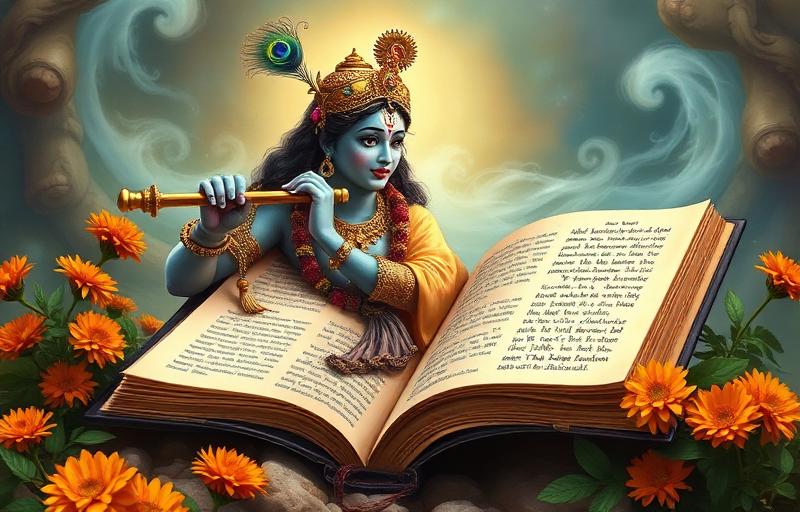
Long ago, during Krishna's youth in Dwarka, Satrajit (a devotee of Surya) received a brilliant Syamantaka mani (jewel) that produced 8 maunds of gold daily. Krishna suggested he gift it to King Ugrasena, but Satrajit refused, suspecting Krishna wanted it for himself. When Satrajit's brother Prasena wore it to hunt, he was killed by a lion. The lion was then killed by Jambavan (the bear from Ramayana, now living in a cave). Satrajit accused Krishna of stealing the mani and killing his brother. To clear his name, Krishna entered Jambavan's cave, fought him for 28 days, and recovered the mani. Krishna also married Jambavan's daughter Jambavati. Returning to Dwarka, Krishna returned the mani to Satrajit and refused to keep it. Connection to Sankashti: Krishna asked Ganesh why he had been falsely accused despite being innocent. Ganesh revealed: 'On Bhadrapada Shukla Chaturthi (Ganesh Chaturthi), I cursed that anyone who sees the moon on this day will face false accusations. Even devas are not exempt'. To remove this curse, Krishna observed Sankashti Chaturthi vrat - fasting until moonrise, doing full Ganesh puja, then breaking fast only after seeing the moon WITH Ganesh's image. This vrat is the prescribed remedy to remove the moon-curse for the year. The vrat's power: 1. Removes false accusations and slander. 2. Restores reputation. 3. Brings back lost wealth or property. 4. Protects from theft and deception. Why moonrise matters: The Sankashti puja transforms the 'kalank' (curse) energy of the moon into 'kripa' (blessing) energy, allowing safe moon-viewing throughout the year.
Powerful Mantras to Chant During Sankashti
1. Mool Mantra (foundation): 'Om Gam Ganapataye Namah' - chant 108 times morning and evening. 2. Sankashti Special: 'Om Vakratundaya Hum' - 108 times before moonrise puja for obstacle removal. 3. Sankashti Stotra (8 lines, very powerful): 'Pranamya Shirasa Devam Gauriputram Vinayakam, Bhakta Avasam Smarennityam Aayushkamarthasiddhaye. Prathamam Vakratundam cha Ekadantam Dwiteeyakam, Triteeyam Krishnapingaksham Gajavaktram Chaturthakam. Lambodaram Panchamam cha Shashtham Vikatameva cha, Saptamam Vighnarajam cha Dhumravarnam Tatha Ashtamam. Navamam Phalachandram cha Dashamam tu Vinayakam, Ekadasham Ganapatim Dwadasham tu Gajananam. Dwadashaitani Namani Trisandhyam Yah Pathennarah, Na cha Vighnabhayam Tasya Sarvasiddhim Karavaha'. Meaning: 'Bowing to the Devi-son Vinayaka, the devotee should remember (the 12 names of Ganesh) daily for long life, success, and prosperity. The 12 names are Vakratunda, Ekadanta, Krishnapingaksha, Gajavaktra, Lambodara, Vikata, Vighnaraja, Dhumravarna, Phalachandra, Vinayaka, Ganapati, Gajanana. One who reads these 12 names at all three sandhya periods (morning, noon, evening) faces no obstacles and gets all siddhis'. 4. Moon mantra for arghya: 'Om Shram Sreem Shroum Sah Chandramase Namah' - chant 3 times while offering water to the moon. 5. After moon darshan: 'Om Ganesh Devi Putraya Vakratundaya Hum Phat Swaha' - for completion.
Reader Questions Answered
What if I miss the moonrise window?+
If you cannot see moon (cloudy night, indoors), use a moon phase app to confirm time has passed, then perform puja symbolically by visualizing moon. Show the moon (via app/photo) to Ganesh idol. Break fast after this symbolic darshan. If you cannot perform even symbolic puja, fast becomes void - restart next month. The intention (sankalpa) is broken if you eat without seeing moon directly or symbolically.
Can pregnant women do Sankashti vrat?+
Modified version only. NO nirjala (no water) - that's dangerous for mother and baby. Allowed: water all day, light fruits, milk every 2-3 hours. Morning puja and chanting fully OK. Skip the moonrise wait if it falls late at night (sleep is more important than fasting in pregnancy). Most ancient texts explicitly exempt pregnant women from strict vrat - pregnancy itself is considered a vrat (vrat of sustaining life). Modified observance still earns full merit.
Why is durva grass mandatory for Ganesh?+
Durva (Cynodon dactylon) is cooling, and Ganesh has 'pitta-prakopa' issues (heat-related, due to his fire-tongue legend). Durva calms him. Story: Analasura (a fire-demon) defeated Ganesh by burning him from inside. To cool down, Ganesh consumed 21 fresh durva blades - instant relief. Since then, durva is mandatory in every Ganesh puja, especially Sankashti. Always offer 21 fresh blades (3 stems each, 7 sets of 3). Stale or dry durva reduces benefit by 70%.
Is Angarki Sankashti really 100x more powerful?+
Yes - per Skanda Purana and Mudgala Purana. The reason: Tuesday is Mangal (Mars, Angaraka) day; combined with Sankashti, creates 'Angarki yoga' - a rare astrological alignment. Once-a-year or twice-a-year occurrence. 2026 has THREE Angarki Sankashtis (January, June, September) - extraordinary year. Devotees in Maharashtra travel to Siddhivinayak temple (Mumbai) and Ashtavinayak temples on these days, often pulling all-nighters. The vrat done on Angarki releases 100 Sankashti worth of merit.
Can I do Sankashti vrat without knowing the katha?+
Yes, but reading the katha is highly recommended - it sets the bhava (devotional emotion) for the day. Read the katha during the day (anytime between morning puja and moonrise). Even hearing it from someone else is acceptable. Just doing the fast + moon puja without the katha earns 60% merit. Adding the katha brings it to 100%. Many regional kathas exist beyond the Krishna-Syamantaka story - any Ganesh story is valid.
About the author
Acharya Vinaya Kapoor · M.A. Sanskrit, Mantra & Stotra Studies
Acharya Vinaya holds an M.A. in Sanskrit from Banaras Hindu University and writes the mantra and stotra commentary on Vandnaa. Her focus is on accurate pronunciation, traditional context, and helping modern readers connect with classical texts.
Meet the Vandnaa editorial team →Explore on Vandnaa
Related Articles
Ganesh Vakratunda Mahakaya Mantra: Meaning & Jap Vidhi
7 min read
Ganesh Atharvashirsha: Meaning, Benefits & Complete Guide
9 min read
Mool Mantra - Most Powerful Beej Mantras for Every Deity (Complete Guide)
11 min read
Shiva Ashtottara - 108 Names of Lord Shiva with Meaning, Benefits & Daily Jap Vidhi
12 min read
Durga Ashtottara - 108 Names of Goddess Durga for Protection & Victory
11 min read