What is Saphala Ekadashi? The Vrat That Makes Efforts Fruitful
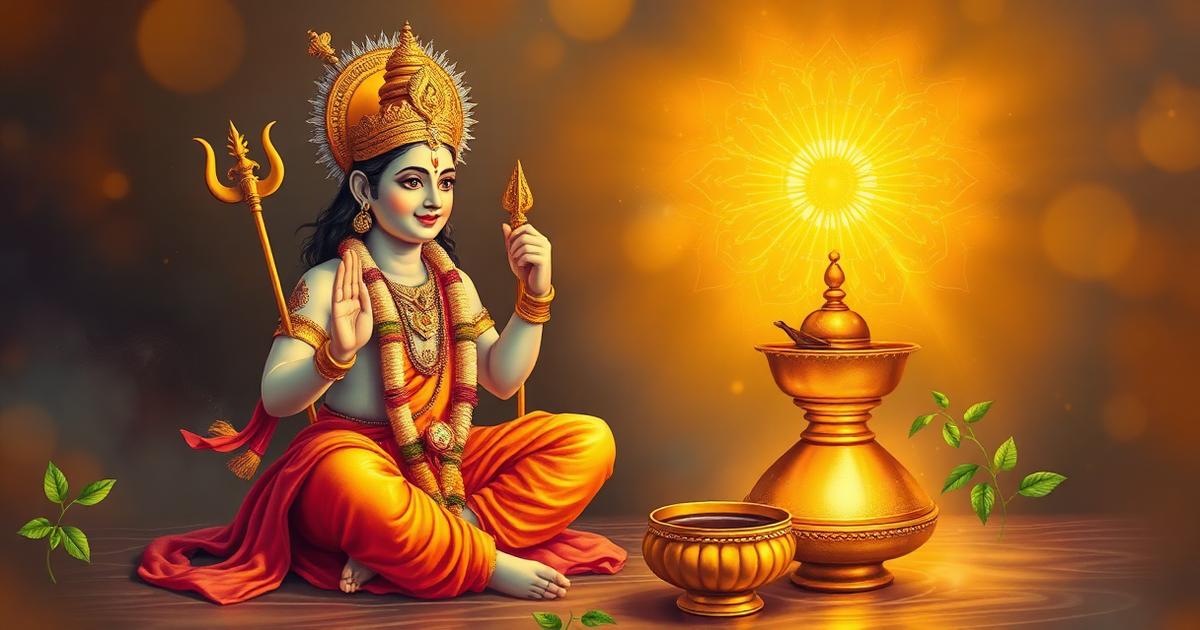
Saphala Ekadashi takes its name from the Sanskrit word saphala, meaning "fruitful" or "successful". The Brahmanda Purana, narrated as a dialogue between Lord Krishna and King Yudhishthira, promises that this vrat makes a devotee's honest efforts bear fruit - in work, family, studies and above all in spiritual life. It is observed for Lord Vishnu, sometimes worshipped here in his form as Narayana, with fruits, tulsi and an all-night lamp. What makes Saphala Ekadashi especially beloved is its katha - the story of Lumpaka, a king's son who had abandoned every dharma, yet was transformed by a single unknowing Ekadashi fast. The message is deeply reassuring: even an imperfect devotee, fasting with whatever sincerity they can manage, receives the Lord's full grace. No effort offered to Vishnu on this day goes to waste. Devotees facing repeated setbacks often adopt this vrat as a yearly anchor, returning each Paush with one steady prayer - let honest work finally ripen into fruit.
Saphala Ekadashi 2026 Tithi and Date
Saphala Ekadashi falls on Paush Krishna Ekadashi - the eleventh day of the dark fortnight of the Paush month. On the Gregorian calendar this usually arrives in late December or early January, so the 2026 observance falls in the December 2026 to January 2027 window. Paush is the month of deep winter, when nights are long and the katha's image of Lumpaka shivering under a peepal tree feels especially vivid. Because lunar tithis shift each year, and because Smarta and Vaishnava calendars can differ by a day, do not rely on a remembered date. Confirm the exact date, your vrat day and the precise parana window for your location on the Vandnaa Panchang before you begin. The Panchang also shows when Ekadashi tithi begins and ends, which matters for deciding the correct fasting day.
Significance of Saphala Ekadashi
The Brahmanda Purana declares that the merit of Saphala Ekadashi cannot be matched even by a thousand years of penance or an Ashvamedha yajna. Its special promise is saphalata - fruitfulness. Devotees observe it when beginning new ventures, praying for children's success, or seeking that long-delayed efforts finally bear results. Spiritually, it teaches that success is not seized but received - Lumpaka did nothing except fast, stay awake and surrender, yet he regained everything he had lost. The vrat also carries a strong message of redemption: no one is too fallen for the Lord's grace. A unique feature of this Ekadashi is the offering of seasonal fruits - coconut, pomegranate, amla and lemon are traditionally placed before the Lord - and the lighting of a lamp that burns through the long winter night, just as a lamp burned in the katha.
Saphala Ekadashi Vrat Katha - Lumpaka, the King's Wayward Son
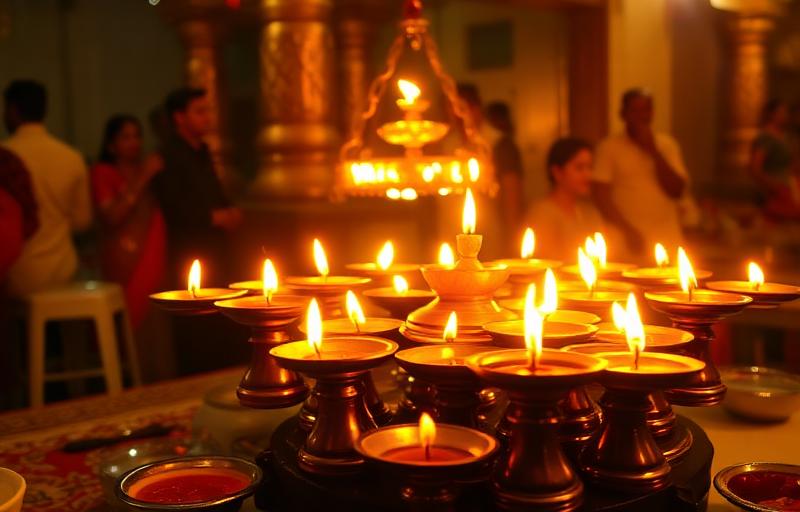
King Mahishmata of Champavati had four sons. The eldest, Lumpaka, was sunk in vice - he mocked the devas, insulted brahmins and wasted the kingdom's wealth. With great sorrow the king banished him. Lumpaka took to a forest, surviving by stealing from his father's own city by night and eating flesh by day. He sheltered under an ancient, worshipped peepal tree. On the night before Paush Krishna Ekadashi, bitter cold left him senseless. He lay shivering, unable to eat or sleep, and through Ekadashi he remained weak and hungry - an unknowing fast. At dusk he gathered fallen fruits, placed them at the root of the peepal and said with a broken heart - "May Lord Vishnu be pleased with these." Sleepless, he passed the night in remorse - an unknowing jagran. The Lord accepted it all. By morning his heart had changed; the king welcomed him back, and Lumpaka later ruled with dharma, devoted to Vishnu for life.
Step-by-Step Saphala Ekadashi Vrat Vidhi
Observe the vrat with this simple sequence: 1. On Dashami evening, take one light sattvik meal before sunset and sleep early with a calm mind. 2. On Ekadashi morning, wake in Brahma muhurta, bathe and take sankalpa for the vrat, praying that your sincere efforts become saphal. 3. Install an image of Lord Vishnu or Narayana on a clean altar. Offer water, sandal, flowers, tulsi dal, dhoop and a ghee diya. 4. Make the traditional fruit offering - coconut, pomegranate, amla, lemon and other seasonal fruits, along with supari. 5. Read or listen to the Saphala Ekadashi katha of Lumpaka and reflect on its message of redemption. 6. Fast as per capacity - nirjala, phalahar or one grain-free meal. Avoid rice, grains, onion and garlic completely. 7. Keep a lamp burning before the Lord through the night and do jagran with kirtan if possible. 8. On Dwadashi, after morning puja and daan, do parana within the prescribed window.
Mantras for Saphala Ekadashi
Japa is the heart of this vrat. Chant the mula mantra 108 times on a tulsi mala: ॐ नमो नारायणाय Om Namo Narayanaya - I bow to Lord Narayana, the refuge of all beings. For the blessing of fruitfulness, devotees also recite: ॐ नमो भगवते वासुदेवाय Om Namo Bhagavate Vasudevaya - I bow to Lord Vasudeva, the indwelling divine. Close your puja with the Krishna shloka of refuge: त्वमेव माता च पिता त्वमेव, त्वमेव बन्धुश्च सखा त्वमेव। त्वमेव विद्या द्रविणं त्वमेव, त्वमेव सर्वं मम देवदेव॥ Tvameva Mata Cha Pita Tvameva, Tvameva Bandhushcha Sakha Tvameva, Tvameva Vidya Dravinam Tvameva, Tvameva Sarvam Mama Devadeva - You alone are my mother and father, my kin and friend, my knowledge and wealth; O God of gods, You are my everything. This bhav of total surrender is exactly what transformed Lumpaka. Keep the chanting unhurried - a hundred names said with attention outweigh a thousand said in haste, especially on this vrat of ripening effort.
Parana Rules and Benefits of Saphala Ekadashi Vrat
Break the fast on Dwadashi morning, after sunrise and before the Dwadashi tithi ends, taking care to avoid the Hari Vasara quarter. Begin gently with tulsi water or fruit, and if possible offer food, warm clothing or blankets to someone in need first - winter daan carries special merit in Paush. Check your exact parana window on the Vandnaa Panchang, since it changes every year and by location. The promised benefits are generous: success in righteous undertakings, removal of obstacles that have stalled honest effort, peace within the family and steady spiritual progress. The katha adds its own quiet assurance - if an unknowing fast could restore Lumpaka to his kingdom and his dharma, a fast kept knowingly, with love and tulsi and a burning lamp, can certainly make a sincere devotee's life saphal. If Dwadashi is a workday, finish a short puja and parana at home before leaving, keeping the daan ready the previous evening so nothing is rushed.
What People Ask Most
What does Saphala Ekadashi mean?+
Saphala means fruitful or successful. This Paush Krishna Ekadashi is believed to make a devotee's sincere efforts bear fruit - in work, family and spiritual life. The Brahmanda Purana says its merit exceeds even a thousand years of penance.
Who was Lumpaka in the Saphala Ekadashi katha?+
Lumpaka was the wayward eldest son of King Mahishmata of Champavati, banished for his vices. Living under a peepal tree, he unknowingly fasted and stayed awake on Saphala Ekadashi, offered fruits to Lord Vishnu, and was transformed - regaining his father's love, his kingdom and a life of dharma.
Which fruits should be offered on Saphala Ekadashi?+
Tradition recommends seasonal fruits - coconut, pomegranate, amla, lemon and whatever pure fruits are available, along with supari and tulsi dal. The katha itself centres on a fruit offering, so offering fruits with sincere bhav is considered the heart of this puja.
When is Saphala Ekadashi 2026 and when is parana?+
Saphala Ekadashi falls on Paush Krishna Ekadashi, which arrives in the late December 2026 to early January 2027 window. Parana is done the next morning on Dwadashi, after sunrise, avoiding Hari Vasara. Confirm the exact date and parana window for your city on the Vandnaa Panchang.
Can I observe Saphala Ekadashi for success in exams or a new venture?+
Yes. Saphala Ekadashi is traditionally observed precisely with such sankalpas - that honest efforts may bear fruit. State your specific prayer during sankalpa, then perform the vrat with devotion. Remember the vrat blesses righteous effort; it accompanies hard work, it does not replace it.
Is night jagran important on Saphala Ekadashi?+
The katha gives jagran special weight here - Lumpaka's sleepless night of remorse was counted as vigil by the Lord. Keeping a lamp burning and singing kirtan through the night greatly enhances the vrat. If full jagran is not possible, spend the evening in katha and japa with a lit diya.
About the author
Pandit Mahesh Trivedi · Festival Traditions & Panchang
Pandit Mahesh leads the festival-date and Panchang content on Vandnaa. He cross-references multiple regional panchangs (Drik, Vaishnava, Bengali, Marathi) for every festival date published on the site.
Meet the Vandnaa editorial team →