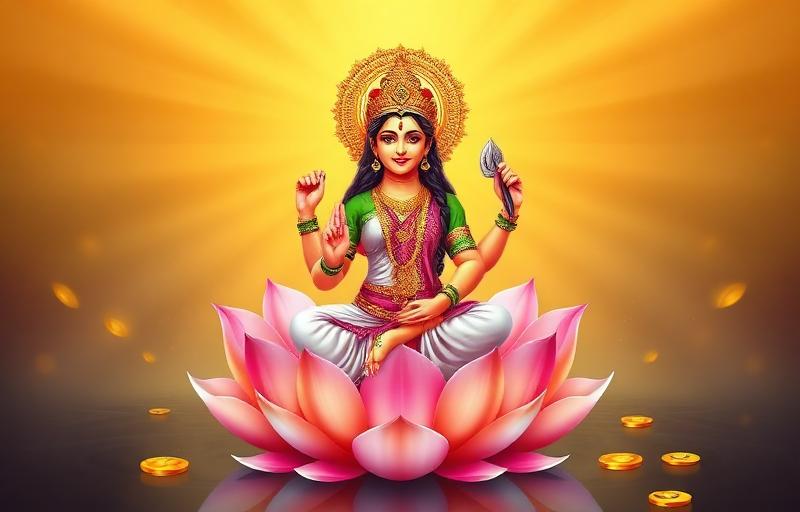
What is Shattila Ekadashi? The Ekadashi of Six Til Uses
Shattila Ekadashi gets its name from two words - shat meaning six and tila meaning sesame seeds. It is the one Ekadashi in the year where a humble seed becomes the centre of worship. The Bhavishyottara Purana, in a dialogue between Sage Pulastya and Dalbhya Rishi, prescribes that til should be used in six different ways on this single day - in the bath, as a body paste, in tarpan for ancestors, in havan, in daan and in food. Falling in the coldest stretch of winter, the vrat pairs inner devotion to Lord Vishnu with outer compassion - the giving of warming, nourishing sesame to those who lack it. The katha attached to this day is a sharp teaching about charity: wealth given without food and nourishment leaves the giver's own house empty, while til daan fills it with abundance.
Shattila Ekadashi 2027 Tithi and Date
Shattila Ekadashi is observed on Magha Krishna Ekadashi - the eleventh day of the dark fortnight of the Magha month. On the Gregorian calendar this typically falls in late January or early February, and the 2027 observance arrives in this same January-February window. Magha is itself a month of snan and daan, when bathing in sacred rivers and giving to the needy carry amplified merit, which is why a til-centred Ekadashi sits so naturally within it. As always with lunar tithis, the exact day can shift and Smarta and Vaishnava observances may differ. Please confirm the exact date, your vrat day and the precise parana window for your city on the Vandnaa Panchang before observing. Checking tithi start and end times also helps you plan the six til rituals across the day without rush. Households observing both Shattila and Jaya Ekadashi in the same Magha month often buy and store til in advance, keeping the fortnight unhurried.
The Six Uses of Til - Snan, Ubtan, Tarpan, Havan, Daan, Bhojan
The defining practice of Shattila Ekadashi is using sesame six ways in one day: 1. Til Snan - add a handful of til or til-infused water to your bath, purifying the body. 2. Til Ubtan - apply a gentle paste of ground til on the body before bathing, nourishing the skin in dry winter. 3. Til Tarpan - offer water mixed with black til to ancestors, bringing them contentment. 4. Til Havan - offer til into the sacred fire with Vishnu mantras; even a small symbolic havan at home counts. 5. Til Daan - donate til, til-gud sweets, blankets or food to brahmins and the needy; this is the heart of the vrat. 6. Til Bhojan - on the parana day, include til in your first meal, such as til-gud or til mixed in food. Each use is said to wash away a layer of sin and build a layer of punya, so the devotee is purified outside and inside.
Shattila Ekadashi Vrat Katha - The Brahmin Woman Who Never Gave Food

Sage Pulastya narrated this katha to Dalbhya Rishi. There once lived a devout brahmin woman who fasted rigorously, worshipped faithfully and donated generously - clothes, ornaments, wealth. Yet she never once gave food or grain to anyone. To teach her, Lord Vishnu came to her door as a begging sadhu. When he asked for alms, she grew irritated and dropped a lump of clay into his bowl. The Lord accepted it and departed. In time the woman left her body and, by the merit of her fasts, reached a beautiful celestial home - but found it completely empty, without food. Distressed, she asked the Lord why. He explained that giving without nourishing others bears hollow fruit, and counselled her to observe Shattila Ekadashi with the six uses of til. She observed it with full faith, and her home filled with grain and every abundance. Since then, til daan on this day is held to fill both the giver's home and heart.
Step-by-Step Shattila Ekadashi Vrat Vidhi
Observe the vrat in this order: 1. On Dashami evening, eat one light sattvik meal before sunset. Soak some til for the next day's rituals. 2. On Ekadashi morning, apply til ubtan, then bathe with til-infused water, completing the first two til uses. 3. Take sankalpa before Lord Vishnu's image, resolving to complete the vrat and the six til practices. 4. Perform puja with water, sandal, flowers, tulsi dal, dhoop, deep and naivedya of fruits. 5. Offer til tarpan to ancestors and perform a small til havan with the mantra Om Namo Bhagavate Vasudevaya Swaha. 6. Do til daan - give sesame, til-gud, warm clothing or food to the needy with humility. 7. Read the Shattila Ekadashi katha, fast as per capacity (no rice or grains), and keep evening aarti and jagran. 8. On Dwadashi, after puja and feeding others, do parana including a little til in your first food.
Mantras for Shattila Ekadashi
Anchor the day's six rituals with these mantras. For japa, chant 108 times: ॐ नमो भगवते वासुदेवाय Om Namo Bhagavate Vasudevaya - I bow to Lord Vasudeva, the all-pervading divine. While offering til into the havan fire: ॐ नमो भगवते वासुदेवाय स्वाहा Om Namo Bhagavate Vasudevaya Swaha - this offering to Lord Vasudeva, into the sacred fire. While doing til daan, devotees recite: तिलदानं महादानं सर्वपापप्रणाशनम् Tila Danam Mahadanam Sarva Papa Pranashanam - the gift of sesame is a great gift that destroys all sins. You may also chant ॐ नमो नारायणाय (Om Namo Narayanaya - I bow to Lord Narayana) during tarpan. Keep each mantra slow and heartfelt; on Shattila Ekadashi the bhav of nourishment behind the offering matters as much as the words. If you are completing all six til rituals in one morning, keep the Vasudeva mantra running between the steps, letting japa thread the snan, ubtan, tarpan, havan and daan into one unbroken offering.
Parana Rules and Benefits of Shattila Ekadashi Vrat

Parana is performed on Dwadashi morning, after sunrise and before the tithi ends, avoiding the Hari Vasara quarter. Uniquely for this Ekadashi, the first food should include a little til - til-gud, sesame in kheer or til sprinkled on the meal - completing the sixth and final use. Before eating, offer food or til daan once more if you can. Confirm your exact parana window on the Vandnaa Panchang. The benefits described in the Purana are layered like the seed itself: destruction of sins through the six purifications, contentment of ancestors through tarpan, abundance in the home through daan - the direct lesson of the katha - and the Lord's grace for a devotee who has learned that true charity nourishes. In the cold of Magha, this vrat leaves both the giver and the receiver warmer.
Reader Questions Answered
Why is it called Shattila Ekadashi?+
Shat means six and tila means sesame. On this Magha Krishna Ekadashi, til is used in six ways - in the bath, as ubtan, in tarpan for ancestors, in havan, in daan and in food on the parana day. Hence the name Shattila, the Ekadashi of six til uses.
What is the main lesson of the Shattila Ekadashi katha?+
That charity which does not nourish others bears hollow fruit. The brahmin woman donated wealth but never food, so her celestial home stood empty. After observing Shattila Ekadashi with til daan, it filled with abundance. Giving food and nourishment is the highest daan.
Which type of til should be used - black or white?+
Black til is traditionally preferred for tarpan, havan and daan on Shattila Ekadashi, as it is considered especially dear to ancestors and potent against sins. White til may be used in food and ubtan. If only one kind is available, use it with sincere bhav - intention outweighs variety.
When is Shattila Ekadashi 2027 and when is parana?+
Shattila Ekadashi falls on Magha Krishna Ekadashi, arriving in the late January to early February 2027 window. Parana is on Dwadashi morning after sunrise, avoiding Hari Vasara, and should include a little til. Confirm the exact date and parana window on the Vandnaa Panchang.
Can I do til daan if I cannot fast on Shattila Ekadashi?+
Yes. If health or circumstances prevent fasting, you can still bathe with til water, do japa, read the katha and perform til daan - giving sesame, til-gud or warm food to the needy. The katha itself centres on daan, so heartfelt giving carries great merit even without a full fast.
Is a havan at home necessary for this vrat?+
A full havan is ideal but not mandatory. A small symbolic offering - a few til offered into a diya flame or a small fire in a havan kund with the Vasudeva mantra - fulfils the havan element. If even that is not possible, mentally offer til to the Lord and increase your til daan instead.
About the author
Pandit Mahesh Trivedi · Festival Traditions & Panchang
Pandit Mahesh leads the festival-date and Panchang content on Vandnaa. He cross-references multiple regional panchangs (Drik, Vaishnava, Bengali, Marathi) for every festival date published on the site.
Meet the Vandnaa editorial team →