What is Jaya Ekadashi? The Vrat of Victory Over Lower Births
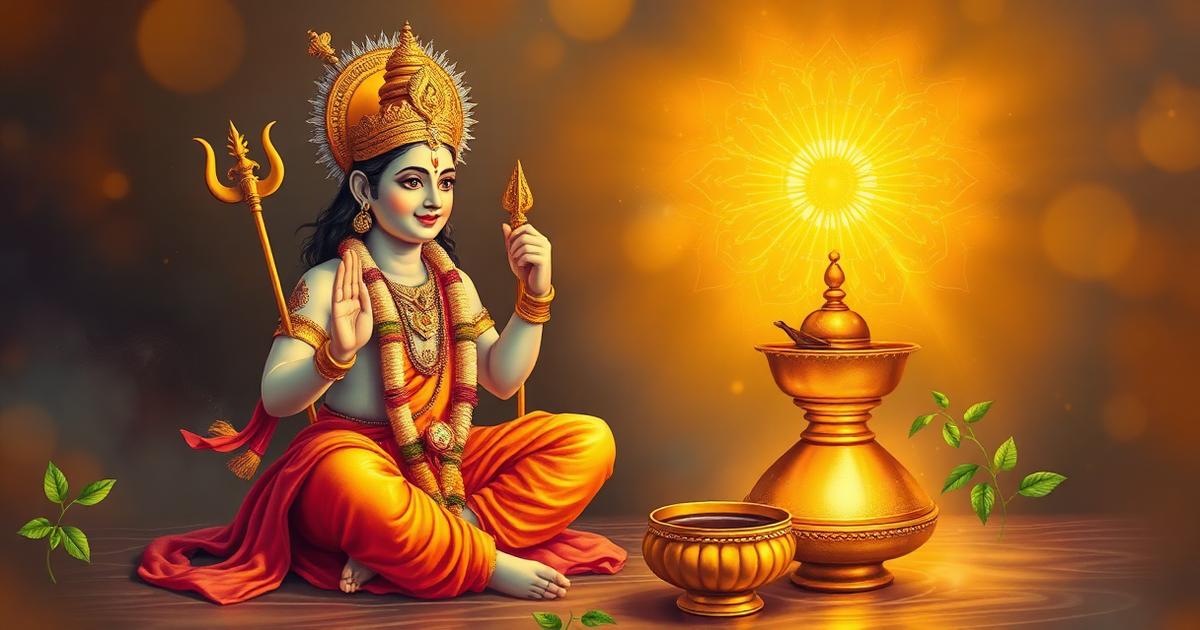
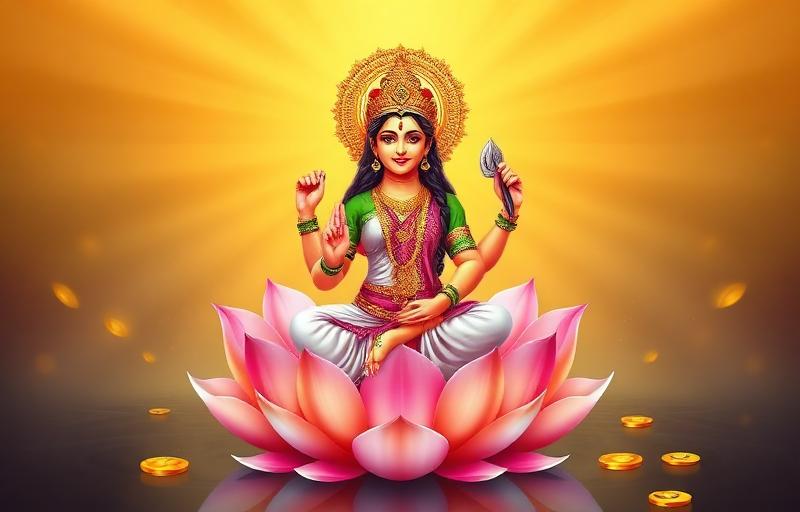
Jaya Ekadashi means the "Ekadashi of victory" - but the victory it celebrates is not over enemies on a battlefield. It is victory over the consequences of one's own lapses, even those grave enough to push a soul into the pishacha yoni, the tormented ghostly state. The Padma Purana, in a conversation between Lord Krishna and Yudhishthira, declares that whoever observes Jaya Ekadashi with faith is freed from such lower births and from the weight of serious sins. In some regions this same tithi is honoured as Bhishma Ekadashi or Bhaimi Ekadashi, linked to the recitation of the Vishnu Sahasranama by Bhishma Pitamah. The vrat is dedicated to Lord Vishnu, and its katha of a cursed gandharva couple makes one quiet point repeatedly: a single Ekadashi, observed even in helpless suffering, can undo what a curse has done.
Jaya Ekadashi 2027 Tithi and Date
Jaya Ekadashi falls on Magha Shukla Ekadashi - the eleventh day of the bright fortnight of the Magha month. On the Gregorian calendar this typically arrives in late January or February, and the 2027 observance falls within this January-February window, roughly two weeks after Shattila Ekadashi. Magha Shukla Paksha is a luminous stretch of the calendar - Vasant Panchami precedes this Ekadashi and Magha Purnima follows it - so many devotees treat the fortnight as one continuous season of snan, daan and vrat. Tithi timings shift each year and Smarta and Vaishnava traditions may observe on different days, so do not assume the date. Confirm the exact date, your vrat day and the precise parana window for your city on the Vandnaa Panchang before beginning the fast. If you also observed Shattila Ekadashi earlier in the month, Jaya completes Magha's pair of Ekadashis, and many families keep both with the same simple niyamas.
Significance - Freedom from Pishacha Yoni and Grave Sins
The scriptures assign Jaya Ekadashi a very specific power: liberation from the pishacha yoni and from bhoot-pret states - the restless, suffering conditions a soul may fall into through grave karma. Lord Krishna tells Yudhishthira that observing this vrat equals the merit of great yajnas and daan, and that even sins as heavy as brahma-hatya begin to dissolve before it. For the ordinary devotee, its significance is more intimate. Each of us knows moments when attention slipped at the worst time, when one distraction set off consequences far larger than the lapse itself - exactly what happened to Malyavan and Pushpavati in the katha. Jaya Ekadashi is the assurance that no consequence is final while devotion remains possible. It is also a favoured day for Vishnu Sahasranama recitation, remembering Bhishma's deathbed teaching during this same fortnight. Even devotees not burdened by such fears observe it simply to strengthen mindfulness - the very quality whose absence began the whole katha.
Jaya Ekadashi Vrat Katha - Malyavan, Pushpavati and Indra's Curse
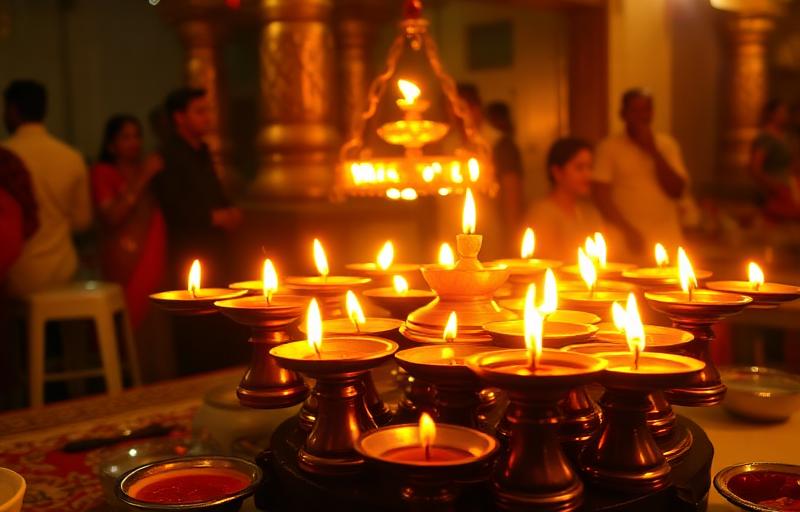
In Indra's court lived the gifted gandharva singer Malyavan and the beautiful dancer Pushpavati. One day, as the devas assembled and the performance began, the two saw each other and fell so deeply in love that they forgot themselves. Pushpavati's steps strayed from the taal; Malyavan's voice slipped from the raga. The assembly was disturbed, and Indra, enraged at the disrespect, cursed them - "Fall from heaven and live as pishachas, suffering in the mortal world." The couple found themselves in ghostly forms on the freezing Himalayan slopes, tormented by cold, hunger and sleeplessness, unable even to enjoy each other's company. On Magha Shukla Ekadashi, too miserable to eat and shivering all night beneath a peepal tree, they unknowingly kept the fast and vigil, repenting and remembering the divine. By the vrat's power, the next morning their pishacha bodies fell away. Restored to celestial beauty, they returned to heaven, where even Indra marvelled at the glory of Jaya Ekadashi.
Step-by-Step Jaya Ekadashi Vrat Vidhi
Observe Jaya Ekadashi with this sequence: 1. On Dashami evening, take one light sattvik meal before sunset, keeping the mind free of anger and gossip. 2. On Ekadashi morning, wake in Brahma muhurta, bathe and take sankalpa before Lord Vishnu, asking forgiveness for known and unknown lapses. 3. Set up the altar with an image of Vishnu or Krishna. Offer panchamrit, water, sandal, flowers, tulsi dal, fruit naivedya, dhoop and a ghee diya. 4. Read or listen to the Jaya Ekadashi katha of Malyavan and Pushpavati, and if possible recite the Vishnu Sahasranama. 5. Fast per capacity - nirjala, phalahar or one grain-free meal - strictly avoiding rice and grains. 6. Spend the day in japa and seva, avoiding harsh speech - the katha began with carelessness. 7. In the evening, perform aarti and keep jagran with bhajan - the couple's sleepless night was the katha's turning point. 8. On Dwadashi, after puja and daan, complete parana within the prescribed window.
Mantras for Jaya Ekadashi
On a day devoted to release from suffering states, japa carries special tenderness. Chant 108 times: ॐ नमो भगवते वासुदेवाय Om Namo Bhagavate Vasudevaya - I bow to Lord Vasudeva, the all-pervading divine. For protection and peace, recite the shadakshara mantra: ॐ विष्णवे नमः Om Vishnave Namah - salutations to Lord Vishnu, the sustainer of all. And remember the shloka of refuge that frees from fear: शान्ताकारं भुजगशयनं पद्मनाभं सुरेशम् Shantakaram Bhujagashayanam Padmanabham Suresham - I meditate on the Lord of serene form, resting on the serpent, lotus-naveled, lord of the devas. Since this fortnight recalls Bhishma's recitation, even a few names of the Vishnu Sahasranama, spoken slowly with meaning, are considered a complete offering on Jaya Ekadashi. Chant in a soft, steady voice - this is a day for gentleness of speech - and if family members join, sing the names together; music offered to the Lord with care is itself seva.
Parana Rules and Benefits of Jaya Ekadashi Vrat
Parana is done on Dwadashi morning, after sunrise and before the tithi ends, avoiding the Hari Vasara quarter of early Dwadashi. Break the fast gently with tulsi water and fruit, after offering food to a brahmin or someone in need. Since the window shifts every year and by city, confirm your exact parana time on the Vandnaa Panchang. The benefits promised are among the most far-reaching of any Ekadashi: release from pishacha and preta states for oneself and, devotees believe, relief for troubled ancestors; dissolution of grave sins; protection from fear and restless dreams; and the merit of great yajnas. The katha adds a gentler gift - the restoration of dignity. Malyavan and Pushpavati did not merely escape their curse; they were returned to their place, their art and each other. Jaya Ekadashi is victory as the Purana defines it: grace winning over consequence.
Quick Answers
What is special about Jaya Ekadashi compared to other Ekadashis?+
Jaya Ekadashi is specifically said to free souls from the pishacha yoni - the ghostly, suffering state - and from grave sins. Its katha shows even an unknowing fast lifting Indra's curse from the gandharva couple Malyavan and Pushpavati, making it the Ekadashi of victory over karma's harshest consequences.
Who were Malyavan and Pushpavati?+
Malyavan was a gandharva singer and Pushpavati a celestial dancer in Indra's court. Distracted by love during a divine performance, they faltered in raga and taal, and an angered Indra cursed them to live as pishachas in the Himalayas. Their unknowing Jaya Ekadashi fast and vigil freed them.
Is Jaya Ekadashi the same as Bhishma Ekadashi?+
They fall on the same tithi - Magha Shukla Ekadashi. In South India and some traditions, the day is honoured as Bhishma or Bhaimi Ekadashi, commemorating Bhishma Pitamah's gift of the Vishnu Sahasranama. The vrat rules are the same; reciting the Sahasranama on this day is especially auspicious.
When is Jaya Ekadashi 2027 and when should parana be done?+
Jaya Ekadashi falls on Magha Shukla Ekadashi, in the late January to February 2027 window. Parana is performed the next morning on Dwadashi after sunrise, avoiding Hari Vasara. Confirm the exact date, vrat day and parana window for your location on the Vandnaa Panchang.
Can Jaya Ekadashi be observed for the peace of departed family members?+
Yes. Because this Ekadashi is linked with release from preta and pishacha states, many devotees observe it with a sankalpa for the peace and onward journey of departed loved ones, adding Vishnu Sahasranama recitation and daan in their name. It is a deeply compassionate use of the vrat.
What should be avoided on Jaya Ekadashi?+
Avoid rice and all grains, onion, garlic, meat and alcohol. Equally important on this Ekadashi - avoid anger, harsh words, gossip and disrespect, since the katha begins with a moment of carelessness in a sacred assembly. Keep speech gentle and the mind fixed on the Lord.
About the author
Pandit Mahesh Trivedi · Festival Traditions & Panchang
Pandit Mahesh leads the festival-date and Panchang content on Vandnaa. He cross-references multiple regional panchangs (Drik, Vaishnava, Bengali, Marathi) for every festival date published on the site.
Meet the Vandnaa editorial team →