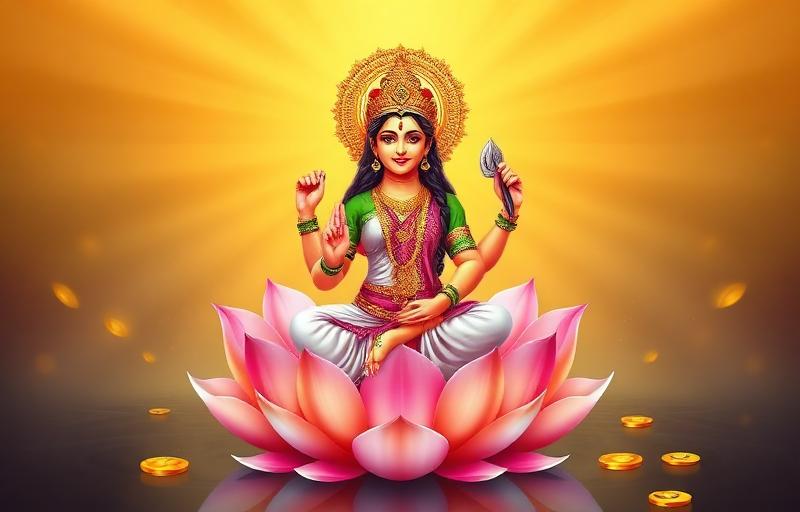
What is Amalaki Ekadashi? When Vishnu is Worshipped in a Tree
Amalaki Ekadashi is unlike any other Ekadashi in the year - on this day the deity is not only on the altar but standing in your courtyard or grove. The vrat centres on the amalaki, the amla or Indian gooseberry tree, in which Lord Vishnu is believed to personally reside, together with Lakshmi and all the tirthas. The Brahmanda Purana tells that the amla was the very first tree of creation, born from the drops that fell from Lord Brahma's eyes as he wept in love for Sri Hari. Falling on Phalguna Shukla Ekadashi, just before Holi, the vrat carries the freshness of spring - new leaves, new fruit, and the promise that worshipping this one tree equals darshan of countless tirthas. Devotees fast, perform puja at the base of an amla tree, tie sacred thread around its trunk and walk parikrama around it.
Amalaki Ekadashi 2027 Tithi and Date
Amalaki Ekadashi is observed on Phalguna Shukla Ekadashi - the eleventh day of the bright fortnight of Phalguna, the last month of the Hindu year. On the Gregorian calendar this typically falls in late February or March, and the 2027 observance arrives in this February-March window, just a few days before Holika Dahan and Holi. Many devotees treat it as the spiritual doorway into the festival of colours - purifying body and mind through the vrat before the celebrations begin. In some regions the day is also called Amalaka or Amali Ekadashi, and Rangbhari Ekadashi in Kashi, where Baba Vishwanath's celebrations begin. As always, lunar tithis shift each year and traditions can differ by a day. Confirm the exact date, your vrat day and the precise parana window for your city on the Vandnaa Panchang before observing.
Significance - Why the Amla Tree is Worshipped
The Purana describes the amla tree as a living temple. Lord Vishnu dwells in it eternally - tradition places Brahma at its root, Vishnu in its trunk, Shiva at its crown, and the devas, rishis and tirthas through its branches, leaves and fruit. Worshipping the amalaki on this Ekadashi is therefore said to equal bathing in all the holy rivers and giving a thousand cows in daan. The timing deepens the meaning: at the threshold of the new Hindu year, the devotee honours the tree of beginnings, born of Brahma's tears at the dawn of creation. The amla fruit itself - revered in Ayurveda as a rasayana - becomes prasad, a reminder that the Lord's grace also nourishes the body. For devotees who keep the full Ekadashi cycle, Amalaki is the fragrant, flowering high point of spring devotion before Holi's joy.
Amalaki Ekadashi Vrat Katha - The Hunter Who Watched the Vigil
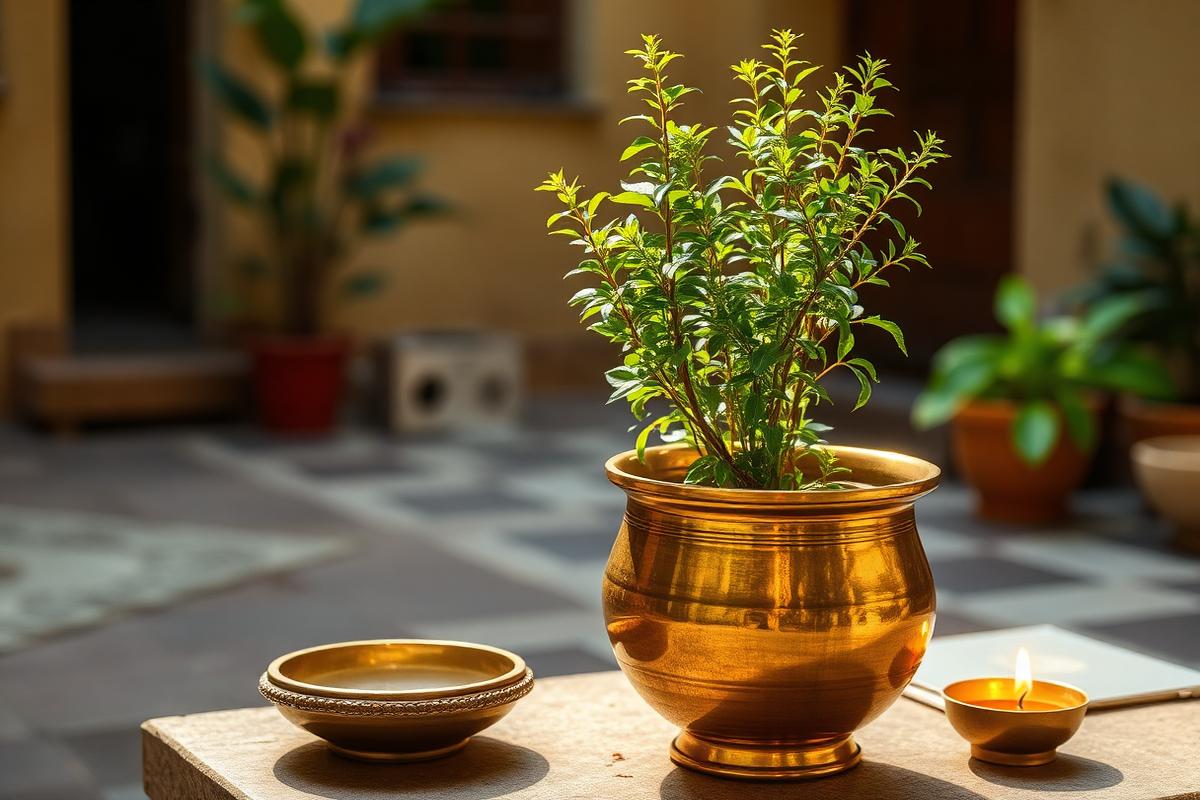
King Chaitraratha of Vaidisha ruled a city so devoted that everyone, king to youngest child, observed Amalaki Ekadashi. One year the whole city gathered at a great amla tree on the riverbank, fasting, worshipping the tree and keeping vigil with lamps and kirtan. A hunter who lived by killing came there hungry, intending to steal food. Caught in the crowd, he could neither eat nor leave. He stood all night, hungry and awake, watching the amalaki puja and hearing the Lord's names. Unknowingly, he had observed the complete vrat - fast, jagran and darshan. After death, by that one night's merit, he was reborn as King Vasurath. Once, lost in a forest, Vasurath was ambushed in his sleep by bandits, but their weapons fell harmless; power from his past vrat protected him and destroyed the attackers. When he asked who had saved him, an akashvani answered - the grace of Sri Vishnu, earned in one unknowing Amalaki Ekadashi.
Amla Tree Puja and Parikrama Vidhi - Step by Step
Perform the signature ritual at an amla tree - garden, temple grove or even a potted amla at home: 1. After morning bath and sankalpa, clean the base of the amla tree and sprinkle pure water and panchamrit. 2. Make a small altar at the root and place an image of Lord Vishnu or a shaligram if possible. 3. Offer roli, chandan, akshat (permitted in puja, not food), flowers, tulsi dal, fruit and dhoop-deep at the root. 4. Tie a raw cotton thread (kachcha sut) around the trunk while praying. 5. Perform parikrama of the tree - 7, 11, 21 or 108 rounds per capacity - chanting Om Namo Bhagavate Vasudevaya. 6. Light an evening ghee diya at the base and, if possible, keep jagran near the tree or at home. 7. Offer amla fruit to the Lord, later sharing it as prasad; donate amla, food and dakshina on Dwadashi. If no tree is available, worship an amla fruit on your altar with the same steps.
Mantras for Amalaki Ekadashi
During parikrama and puja, keep the japa simple and continuous: ॐ नमो भगवते वासुदेवाय Om Namo Bhagavate Vasudevaya - I bow to Lord Vasudeva, the all-pervading divine. Chant this throughout the parikrama rounds. While offering at the root of the amla tree, devotees pray: ॐ धात्र्यै नमः Om Dhatryai Namah - salutations to Dhatri, the sustainer; Dhatri is the shastra name of the amla tree, the nourishing mother. A traditional prayer to the amalaki runs: दामोदरनिवासायै धात्र्यै देव्यै नमो नमः Damodara Nivasayai Dhatryai Devyai Namo Namah - salutations again and again to goddess Dhatri, the dwelling of Lord Damodara. Conclude with ॐ नमो नारायणाय (Om Namo Narayanaya - I bow to Lord Narayana) and offer a final pranam to the tree as you would to the Lord himself.
Parana Rules and Benefits of Amalaki Ekadashi Vrat
Parana is done on Dwadashi morning, after sunrise and before the tithi ends, avoiding the Hari Vasara quarter. It is considered especially auspicious to include amla in the parana - amla murabba, amla with the first meal, or simply the prasad fruit - receiving into the body the tree you worshipped the day before. Donate amla, food and clothing to brahmins or the needy before eating. Confirm your exact parana window on the Vandnaa Panchang. The promised benefits are vast: the merit of a thousand cow daans, the fruit of bathing in all tirthas, freedom from sins and, as the hunter's katha shows, protection that follows the soul across lifetimes. Coming days before Holi, the vrat also offers something seasonal and sweet - a cleansed heart, ready to play the festival of colours with genuine joy.
Reader Questions Answered
Why is the amla tree worshipped on Amalaki Ekadashi?+
Because Lord Vishnu is believed to reside in the amalaki tree, along with Lakshmi, the devas and all tirthas. The Purana says the amla was the first tree of creation, born from Lord Brahma's tears of love for Sri Hari. Worshipping it equals darshan of countless tirthas.
How many parikramas of the amla tree should be done?+
Tradition allows 7, 11, 21 or 108 rounds according to your capacity, chanting Om Namo Bhagavate Vasudevaya throughout. The count matters less than unbroken remembrance during the rounds. Elderly devotees may simply circle once or offer pranam from one place with full bhav.
What if there is no amla tree near my home?+
Worship an amla fruit on your home altar with the same vidhi - sankalpa, panchamrit, roli-chandan, tulsi, diya and mantras - and later take it as prasad. A potted amla plant also serves fully. The Lord accepts the bhav; the tree is the form, devotion is the substance.
When is Amalaki Ekadashi 2027 and when is parana?+
Amalaki Ekadashi falls on Phalguna Shukla Ekadashi, in the late February to March 2027 window, a few days before Holi. Parana is on Dwadashi morning after sunrise, avoiding Hari Vasara, ideally including amla. Confirm the exact date and parana window on the Vandnaa Panchang.
What is the connection between Amalaki Ekadashi and Holi?+
Amalaki Ekadashi falls in Phalguna Shukla Paksha, just days before Holika Dahan and Holi. Devotees treat it as the spiritual preparation for the festival - purifying body and mind through fasting and amla puja before the colours begin. In Kashi the same day opens the Holi season as Rangbhari Ekadashi.
Can amla be eaten on Amalaki Ekadashi itself?+
Practices vary. Many traditions offer amla to the Lord on Ekadashi but partake of it only at parana on Dwadashi, which is the safer, widely followed rule. Phalahar vratis in some regions do take amla on Ekadashi as it is a fruit. Follow your family tradition, keeping grains strictly excluded.
About the author
Pandit Mahesh Trivedi · Festival Traditions & Panchang
Pandit Mahesh leads the festival-date and Panchang content on Vandnaa. He cross-references multiple regional panchangs (Drik, Vaishnava, Bengali, Marathi) for every festival date published on the site.
Meet the Vandnaa editorial team →