What Is Papmochani Ekadashi?
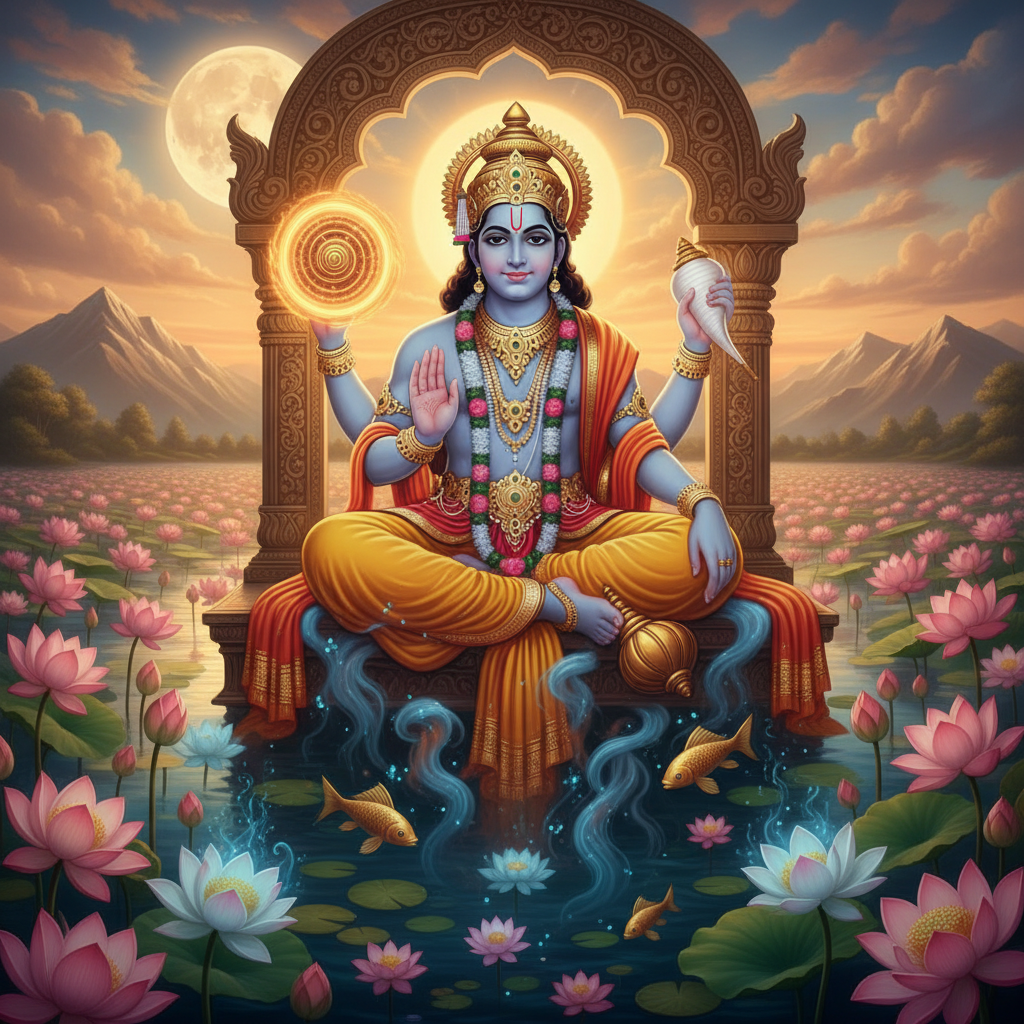
Papmochani Ekadashi falls on the Krishna Paksha Ekadashi of the Chaitra month. Its name is its meaning: papa is sin and mochani is that which releases - the Ekadashi that frees one from sins. It holds a special place in the calendar as the last Ekadashi of the Hindu year, arriving between Holi and Chaitra Navratri, just before the new year begins on Chaitra Shukla Pratipada. The symbolism is beautiful: before stepping into a new year, the devotee sets down the burdens of the old one. Dedicated to Bhagwan Vishnu, this vrat is described in the Bhavishya Purana and Harivamsa as the day when sincere repentance, fasting and remembrance of Hari can dissolve even grave wrongs. It is less about fear of sin and more about the relief of beginning again, clean.
Papmochani Ekadashi 2027 Date and Tithi
Papmochani Ekadashi is observed on Chaitra Krishna Ekadashi, which in 2027 falls around March-April. As with every Ekadashi, the exact day of fasting depends on when the tithi prevails at sunrise in your location, and the parana window the next morning depends on the Dwadashi timings. We do not print fixed clock times here because they differ city to city and would mislead more than help. Before observing the vrat: 1. Open the Vandnaa Panchang and confirm the Ekadashi date for your city. 2. Note the tithi start and end times, plus the parana muhurat on Dwadashi. 3. If Smarta and Vaishnava dates differ, householders typically follow the first; followers of Vaishnava sampradayas follow the second. Planning the parana in advance keeps the fast peaceful instead of anxious.
Significance - The Year's Final Chance to Let Go
Scriptures say Lord Krishna narrated the glory of this Ekadashi to Yudhishthira, and that Brahma first told it to Narada. Its promised fruit is bold: freedom from sins as grave as those committed knowingly, provided the repentance is real. But the deeper teaching lies in its placement. Papmochani arrives at the dying edge of the Hindu year, when Phalguna's colours have faded and Chaitra's new moon approaches. It asks a simple question: what are you still carrying that you do not need to carry into the new year? Guilt, grudges, habits, harsh words - the vrat is a structured way to set them before Shri Hari and walk away lighter. For devotees who keep all twenty-four Ekadashis, it is the closing prayer of the annual cycle; for those who keep only a few, it is among the most meaningful to choose. Many devotees pair the fast with one concrete act of repair - returning what was borrowed, apologising for a harsh word, restarting a neglected practice - so the inner release takes outer form.
Papmochani Ekadashi Vrat Katha - Sage Medhavi and Manju Ghosha

In the lovely forest of Chaitraratha, the young sage Medhavi, son of Rishi Chyavana, practised austere tapasya devoted to Lord Shiva. Indra, uneasy as ever about powerful ascetics, sent the apsara Manju Ghosha to disturb his penance. She sang near his ashram, and her music undid years of discipline; Medhavi abandoned his tapasya and lived with her, losing count of time. After many years, when she sought leave, Medhavi realised that decades had passed and his merit was spent. Furious at himself and at her, he cursed Manju Ghosha to become a pishachini, a ghoulish spirit. She begged for remedy, and the repentant sage too sought his father's counsel. Rishi Chyavana told them both of Papmochani Ekadashi: observe this vrat with faith, and the sins will dissolve. Both did so. Manju Ghosha was freed from the curse and regained her celestial form, and Medhavi recovered his lost tapas. The katha's promise: no fall is final for one who turns back to Hari.
Papmochani Ekadashi Puja Vidhi - Step by Step
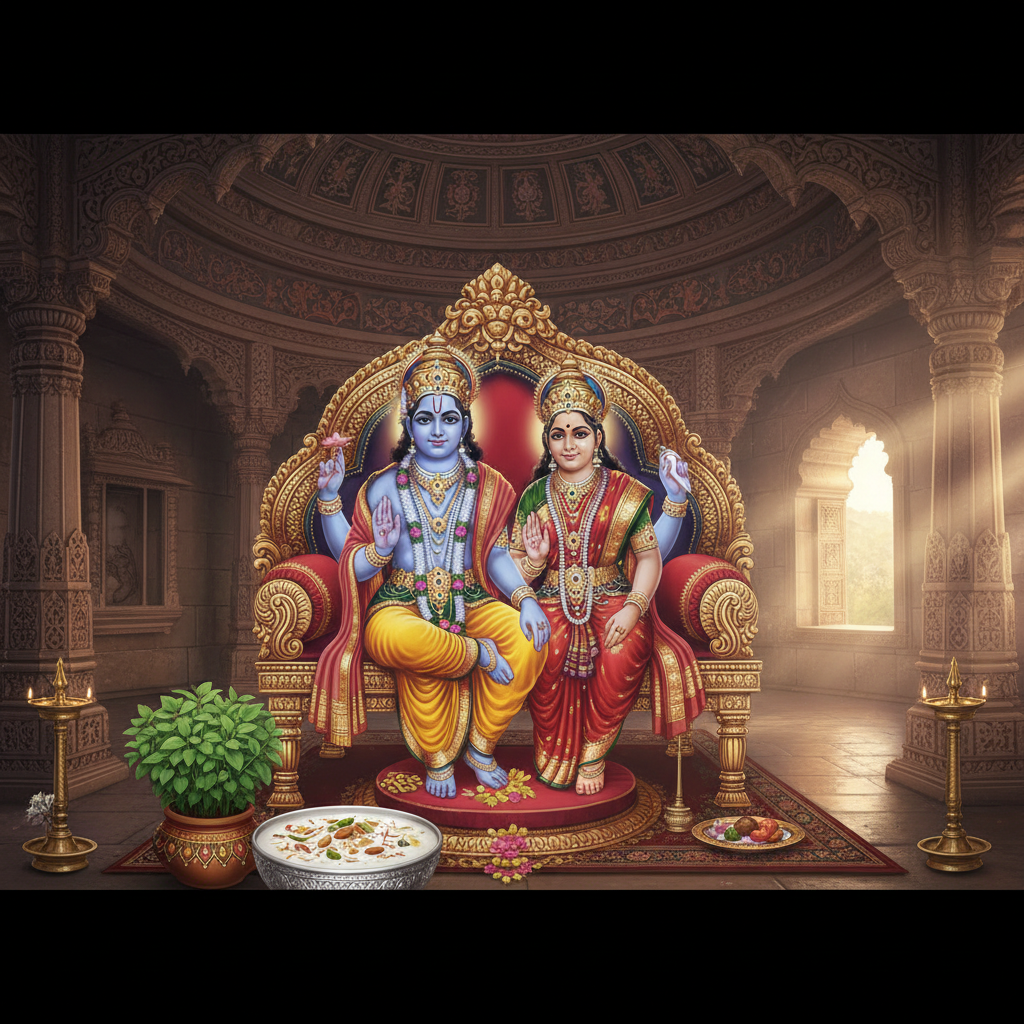
The vidhi follows the standard Ekadashi pattern, with an added emphasis on honest confession before the Lord. 1. From Dashami evening, eat one light sattvik meal before sunset and keep the mind gentle. 2. On Ekadashi morning, bathe before sunrise and take sankalp before Bhagwan Vishnu, naming the burdens you wish to lay down. 3. Set up the altar with a murti or picture of Shri Vishnu, offer panchamrit snan, then chandan, tulsi leaves, yellow flowers, fruit, dhoop and deepak. 4. Read or hear the Papmochani vrat katha - the story of Medhavi and Manju Ghosha is itself part of the worship. 5. Spend the day in japa, kirtan or reading the Bhagavad Gita; avoid gossip, anger and harsh speech, which undo the fast's spirit. 6. In the evening, perform Vishnu aarti; keep a jagran if health allows. 7. On Dwadashi, give dana - food, clothing or support to someone in need - then do parana within the muhurat.
Mantras for Papmochani Ekadashi
On a day devoted to release from sin, the mantras chosen are those of refuge and surrender. 1. ॐ नमो भगवते वासुदेवाय - Om Namo Bhagavate Vasudevaya - "I bow to Bhagwan Vasudeva." Chant 108 times on a tulsi mala, morning and evening. 2. ॐ अच्युताय नमः - Om Achyutaya Namah - "Salutations to Achyuta, the infallible one who never lets His devotee fall." Especially consoling on a day of repentance. 3. हरे राम हरे राम राम राम हरे हरे, हरे कृष्ण हरे कृष्ण कृष्ण कृष्ण हरे हरे - the maha-mantra, ideal for continuous kirtan or quiet japa through the day. Many devotees also recite the Vishnu Sahasranama or the twelfth chapter of the Bhagavad Gita. Whatever you chant, let the feeling be that of the katha: a child returning home, certain of being received. Keep a fixed japa count for the morning and evening, and let the afternoon hold soft, unbroken remembrance while you go about necessary duties.
Parana Rules and Benefits of Papmochani Ekadashi
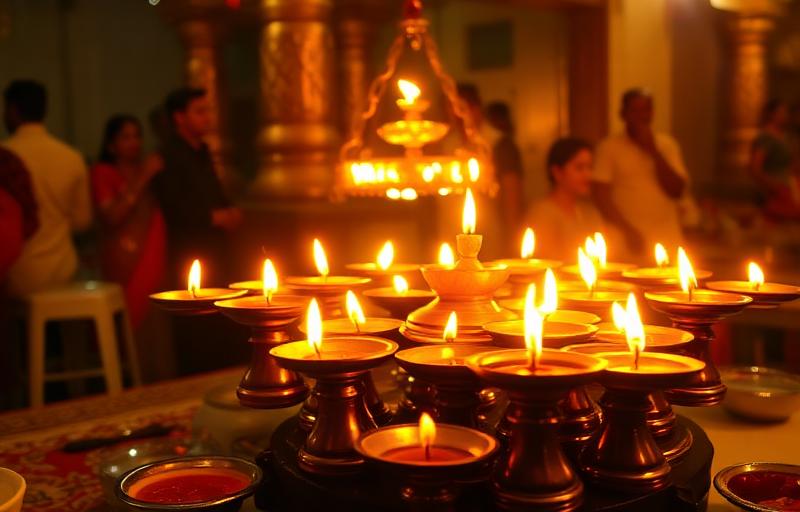
Parana is performed on Dwadashi morning, after sunrise and before Dwadashi tithi ends, avoiding Hari Vasara. Verify your city's parana window on the Vandnaa Panchang. Break the fast with tulsi water and fruit, and feed someone in need before your own meal if you can. The traditional benefits of this vrat: 1. Papa-mochan - release from accumulated sins, when fasting is joined with genuine remorse and changed conduct. 2. A clean threshold into the Hindu new year, beginning Chaitra with a settled heart. 3. Restoration after spiritual falls - like Medhavi, a devotee who has drifted can use this day to return. 4. Peace of conscience, which the scriptures count among the rarest of wealth. The vrat does not license repeating old wrongs; its fruit ripens only where the heart truly turns. A short note of the resolutions taken on this day, kept where you will see it through Chaitra, helps the vrat's clean beginning last beyond one morning.
Common Questions From Devotees
When is Papmochani Ekadashi in 2027?+
Papmochani Ekadashi falls on Chaitra Krishna Ekadashi, around March-April 2027, between Holi and Chaitra Navratri. The exact date and parana muhurat depend on tithi timings in your city, so confirm them on the Vandnaa Panchang.
Why is Papmochani called the last Ekadashi of the year?+
The Hindu year ends with Chaitra Krishna Paksha and the new year begins on Chaitra Shukla Pratipada. Since Papmochani falls on Chaitra Krishna Ekadashi, it is the final Ekadashi of the outgoing year - a chance to enter the new year unburdened.
What is the story of Papmochani Ekadashi?+
Sage Medhavi lost years of tapasya to the apsara Manju Ghosha, sent by Indra, and in anger cursed her to become a pishachini. On Rishi Chyavana's advice, both observed Papmochani Ekadashi - she was freed of the curse and he regained his lost merit.
Can Papmochani Ekadashi really remove all sins?+
Scriptures praise it as destroying even grave sins, but the tradition is clear that the fruit comes with genuine repentance and changed conduct, not mechanical fasting. The vrat is a doorway to transformation - walking through it is the devotee's part.
What food rules apply on Papmochani Ekadashi?+
Standard Ekadashi rules apply: no grains, rice, lentils, onion or garlic. Take fruits, milk, curd, nuts and vrat foods like sabudana or kuttu if keeping a phalahar fast. Eat one sattvik meal on Dashami evening and break the fast only at parana on Dwadashi.
Is jagran necessary on Papmochani Ekadashi?+
Jagran - staying awake in bhajan and naam-jap - is considered highly meritorious on Ekadashi nights, but it is not compulsory. If health or duties do not permit, an evening of sincere aarti, katha and japa before resting carries the same devotional spirit.
About the author
Pandit Mahesh Trivedi · Festival Traditions & Panchang
Pandit Mahesh leads the festival-date and Panchang content on Vandnaa. He cross-references multiple regional panchangs (Drik, Vaishnava, Bengali, Marathi) for every festival date published on the site.
Meet the Vandnaa editorial team →