What Is Vijaya Ekadashi?
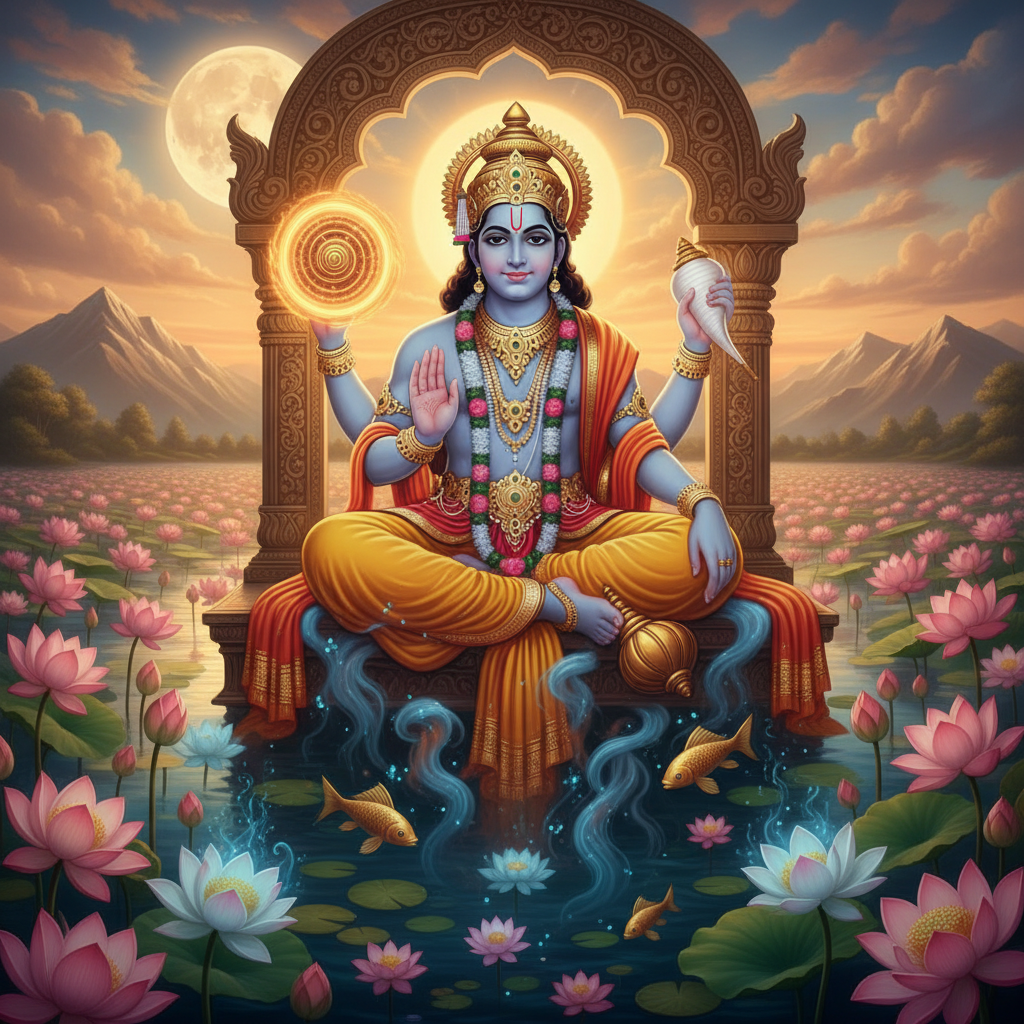
Vijaya Ekadashi falls on the Krishna Paksha Ekadashi of the Phalguna month, the eleventh day of the waning moon. The name itself declares its promise: vijaya means victory. Among the twenty-four Ekadashis of the year, this one is sought by devotees facing a difficult battle - a court case, an exam, an illness, a seemingly impossible task. Scriptures like the Skanda Purana describe it as the vrat that removes obstacles standing between a sincere devotee and success. Like every Ekadashi, it is dedicated to Bhagwan Vishnu, the preserver who protects dharma. The fast is not a magic trick; it is a day of surrender, where the devotee says, "Let me purify myself, and let victory come through Your grace." That spirit of humble effort plus faith is the heart of Vijaya Ekadashi.
Vijaya Ekadashi 2027 Date and Tithi
Vijaya Ekadashi is observed on Phalguna Krishna Ekadashi, which in 2027 falls around February-March. Because Ekadashi tithi begins and ends at different times each year, and because the parana (fast-breaking) window depends on when Dwadashi starts and the precise sunrise at your location, we deliberately do not print a fixed clock time here. Please confirm the exact vrat date, the Ekadashi tithi start and end, and your city-specific parana muhurat on the Vandnaa Panchang before you begin. 1. Check whether the Ekadashi tithi prevails at sunrise in your city - that decides the fasting day. 2. Note the Dwadashi parana window for the next morning. 3. If two dates are listed (Smarta and Vaishnava), householders generally follow the first, while ascetics follow the second. When in doubt, follow your family tradition. 4. Plan the Dashami evening meal and the Dwadashi parana in advance, so the fasting day itself stays free for worship rather than for logistics.
Significance - Why This Ekadashi Grants Victory
The Padma Purana and Skanda Purana narrate that Lord Brahma explained the glory of Vijaya Ekadashi to Narada Muni, calling it capable of destroying the sins of many lifetimes and granting success where all human effort has failed. Its unique standing comes from its association with Lord Ram - if the Lord Himself, the embodiment of dharma, chose to observe this vrat before His greatest battle, it teaches us that even the most capable must pair effort with prayer. Devotionally, the vrat reframes "victory" itself. The real triumph the fast offers is over one's own restlessness, anger and doubt - the inner enemies that defeat us before any outer battle begins. When devotees keep this Ekadashi, they are asking Vishnu not merely for a favourable result, but for the steadiness of mind that makes any result bearable and every effort pure. Many families keep this Ekadashi together before a child's examination, a job interview or a major decision, turning an anxious season into a shared act of faith.
Vijaya Ekadashi Vrat Katha - Lord Ram Before the Ocean
When Ravan abducted Mata Sita, Lord Ram marched south with the vanara army until the vast ocean stopped them. Lanka lay across waters teeming with danger, and even mighty warriors stood helpless before the sea. Shri Ram asked Lakshman if any path existed. Lakshman suggested they seek the sage Bakadalbhya, whose ashram stood nearby and who held knowledge of ancient remedies. The sage received the Lord with joy and said: "On the Krishna Ekadashi of Phalguna, observe the vrat called Vijaya with full vidhi - keep a kalash of water, worship Shri Hari, stay awake in His remembrance, and break the fast on Dwadashi. This vrat grants victory in impossible undertakings." Lord Ram observed the fast with His army. Soon after, the ocean gave way, the bridge of stones was built, and Lanka fell. Since then, devotees keep Vijaya Ekadashi when they face their own oceans.
Vijaya Ekadashi Puja Vidhi - Step by Step
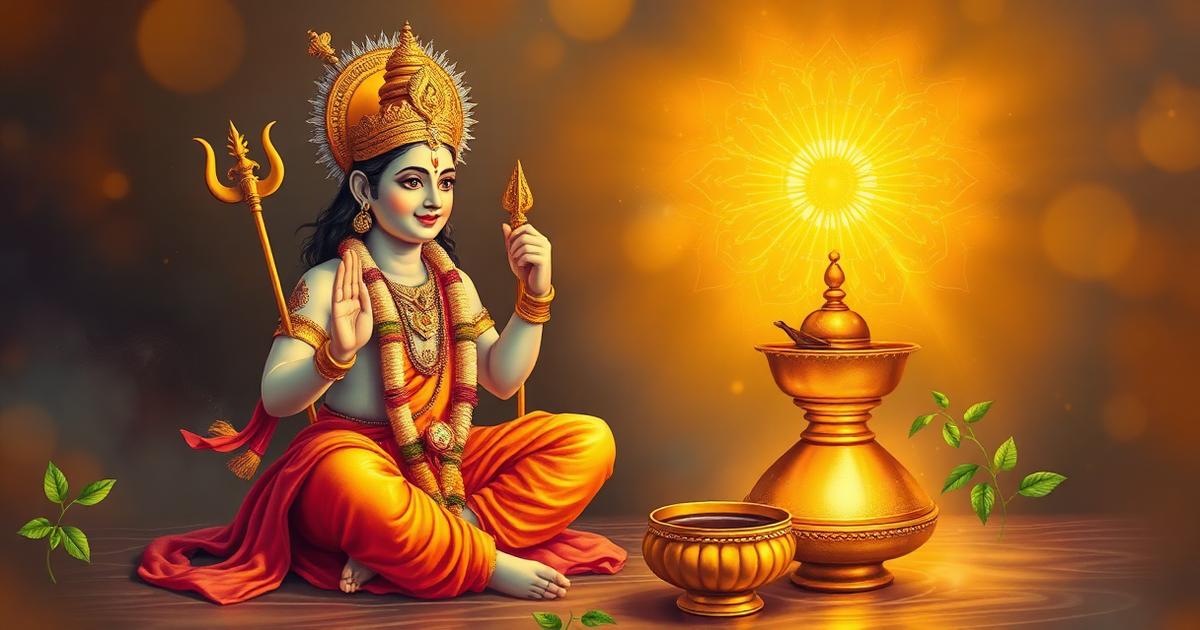
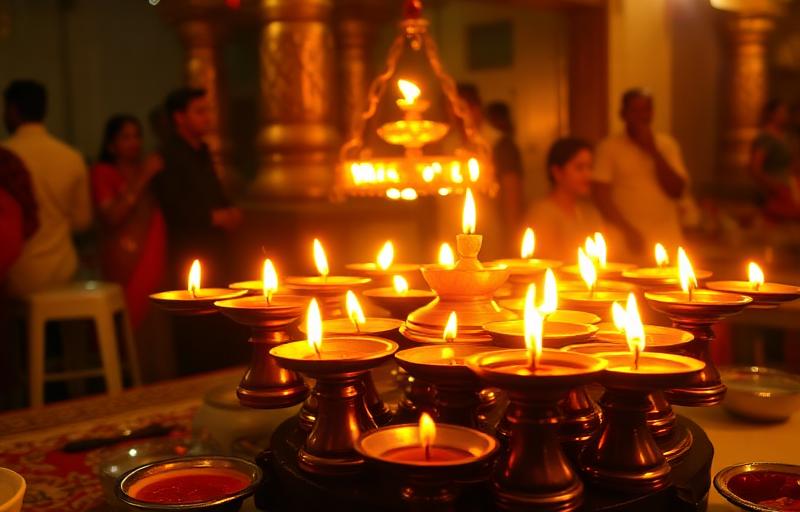
The traditional vidhi follows the kalash-centred worship described in the katha itself. 1. On Dashami evening, eat one simple sattvik meal before sunset and sleep early with a calm mind. 2. On Ekadashi morning, wake during Brahma Muhurat, bathe, and take the sankalp (vow) before Bhagwan Vishnu, stating your fast and your prayer. 3. Place a kalash filled with water on a small mound of grain; set a picture or murti of Shri Vishnu or Shri Ram beside or atop it. 4. Offer panchamrit, tulsi leaves (picked the previous day), yellow flowers, chandan, dhoop and deepak. 5. Read or listen to the Vijaya Ekadashi vrat katha and chant Vishnu mantras through the day. 6. In the evening, do aarti and, if health permits, keep a gentle jagran with bhajan and naam-jap. 7. Next morning, on Dwadashi, donate the kalash and grain to a deserving person, then do parana in the muhurat.
Mantras to Chant on Vijaya Ekadashi
Keep the japa simple and steady rather than long and rushed. Three mantras suit this day especially well. 1. ॐ नमो भगवते वासुदेवाय - Om Namo Bhagavate Vasudevaya - "I bow to Bhagwan Vasudeva." The twelve-syllable mantra of Vishnu; chant 108 times with a tulsi mala. 2. ॐ नमो नारायणाय - Om Namo Narayanaya - "I bow to Narayana." The eight-syllable ashtakshara mantra, ideal for continuous remembrance through the day. 3. श्री राम जय राम जय जय राम - Shri Ram Jaya Ram Jaya Jaya Ram - "Victory to Shri Ram." Fitting on this Ekadashi linked to the Lord's own victory; even a few malas fill the mind with courage. Reciting the Vishnu Sahasranama in the morning or evening is considered especially meritorious on Ekadashi, and many devotees add one chapter of the Ramcharitmanas Sundarkand. If you are new to japa, choose a single mantra and stay with it through the day; depth comes from repetition, not variety.
Parana Rules and Benefits of Vijaya Ekadashi
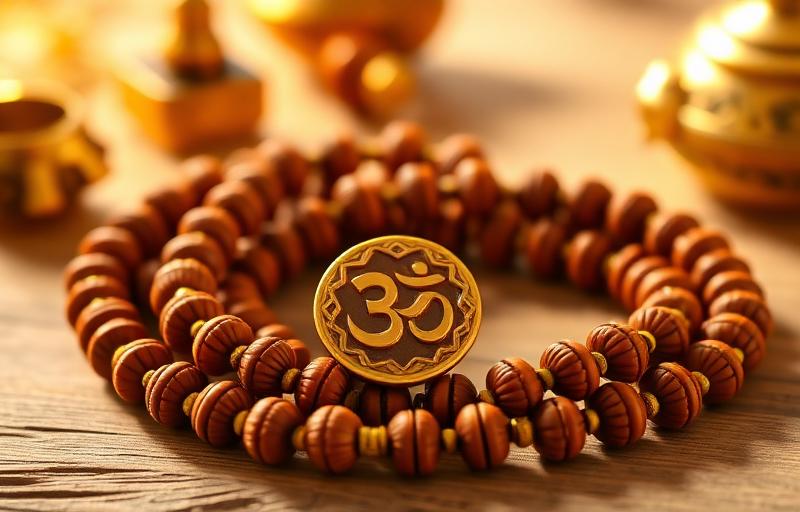
Parana, the breaking of the fast, must happen on Dwadashi morning within the prescribed window - never during Hari Vasara (the first quarter of Dwadashi) and not after Dwadashi ends. Check your city's exact parana time on the Vandnaa Panchang. Break the fast gently: tulsi water first, then fruit or a light sattvik meal. Feeding a brahmin, a cow or anyone in need before you eat is a cherished part of the tradition. The benefits devotees associate with this vrat include: 1. Success in long-stuck endeavours, undertaken with honest effort. 2. Freedom from the weight of past wrongs, as the katha promises destruction of accumulated sins. 3. Courage and clarity of mind - the inner victory that precedes every outer one. 4. Deepened bhakti, since a day spent hungry for God reorders what the heart hungers for.
Frequently Asked Questions
When is Vijaya Ekadashi in 2027?+
Vijaya Ekadashi falls on Phalguna Krishna Ekadashi, which in 2027 comes around February-March. Since the tithi timing shifts each year and the parana window depends on your city, confirm the exact date and muhurat on the Vandnaa Panchang.
Why did Lord Ram observe Vijaya Ekadashi?+
According to the katha, sage Bakadalbhya advised Lord Ram to observe this vrat when the ocean blocked His path to Lanka. After the Lord and His army kept the fast, the bridge to Lanka was built and victory followed - hence the name Vijaya, victory.
What can I eat during Vijaya Ekadashi vrat?+
Grains, rice, lentils, onion and garlic are avoided. Devotees take fruits, milk, curd, nuts and vrat-friendly items like sabudana, kuttu or singhara flour, rajgira and samak rice. Those keeping nirjala take no food or water; choose the level your health allows.
What is the correct parana time for Vijaya Ekadashi?+
Parana is done on Dwadashi morning after sunrise, within the window before Dwadashi tithi ends and never during Hari Vasara, the first quarter of Dwadashi. The exact window varies by city and year, so check it on the Vandnaa Panchang.
Can I keep Vijaya Ekadashi for success in exams or court cases?+
Yes, devotees traditionally keep this vrat when facing difficult undertakings. Remember, though, that the vrat is devotion, not a transaction - pair the fast with sincere effort, and offer the result to Bhagwan Vishnu with trust in His will.
Which mantra is best on Vijaya Ekadashi?+
Om Namo Bhagavate Vasudevaya is the classic Ekadashi mantra, chanted 108 times on a tulsi mala. Given this Ekadashi's link with Lord Ram, many devotees also chant Shri Ram Jaya Ram Jaya Jaya Ram or recite the Vishnu Sahasranama.
About the author
Pandit Mahesh Trivedi · Festival Traditions & Panchang
Pandit Mahesh leads the festival-date and Panchang content on Vandnaa. He cross-references multiple regional panchangs (Drik, Vaishnava, Bengali, Marathi) for every festival date published on the site.
Meet the Vandnaa editorial team →