What Are the Sapta Nadi?
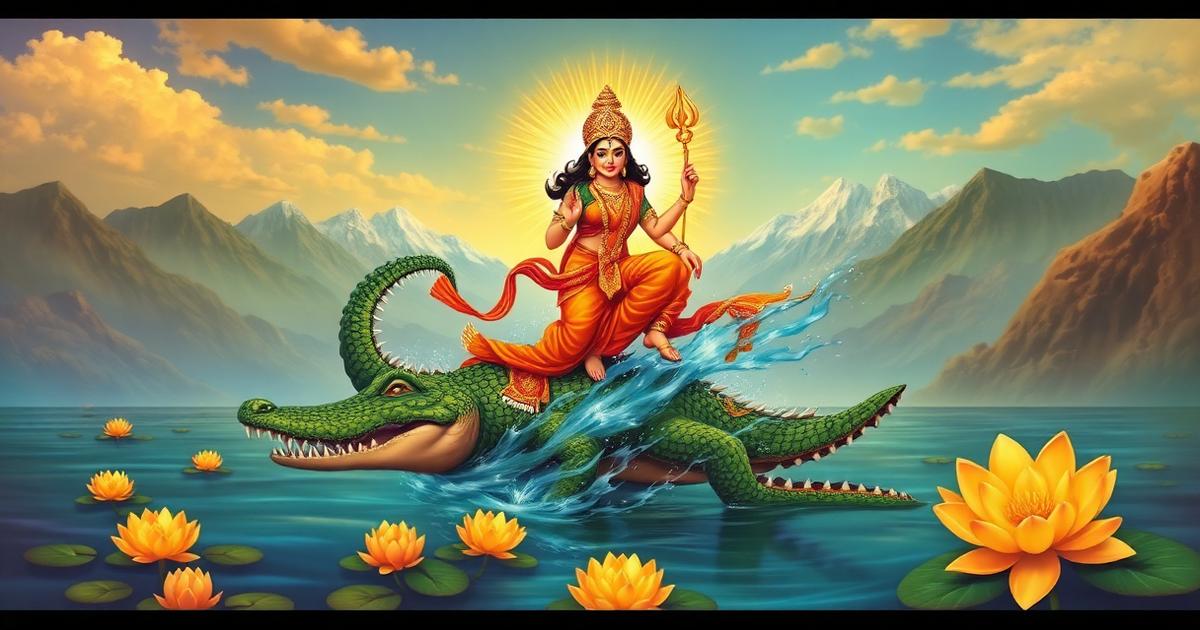
The Sapta Nadi ('seven rivers') are the seven most sacred rivers of Bharat, revered as living goddesses who purify body and soul. Millions of devotees invoke them every morning in the well-known snan (bathing) mantra:
Gange cha Yamune chaiva Godavari Saraswati, Narmade Sindhu Kaveri jalesmin sannidhim kuru.
This prayer calls the Ganga, Yamuna, Godavari, Saraswati, Narmada, Sindhu and Kaveri to be present in the water of one's bath, so that even an ordinary bath becomes a holy one. The rivers are honoured as mothers who give water, life and grace to the land.
The Seven Sacred Rivers
- Ganga - The most sacred river, descended from the heavens; her waters are believed to wash away sins.
- Yamuna - Daughter of the sun and sister of Yama, flowing through Mathura and Vrindavan, dear to Krishna.
- Godavari - The longest river of the Deccan, called the 'Ganga of the South', sacred to Nashik and the Kumbh.
- Saraswati - The hidden, vanished river revered as the goddess of wisdom; said to join at the Triveni Sangam.
- Narmada - The western river whose every pebble is honoured as a Shiva linga (Banalinga), with its sacred parikrama.
- Sindhu (Indus) - The ancient river that gave 'Hind' and 'Hindu' their names, praised in the Rig Veda.
- Kaveri - The lifeline of the south, called 'Dakshina Ganga', flowing through sacred temple towns of Tamil Nadu and Karnataka.
Why Rivers Are Worshipped
In Sanatan Dharma, rivers are not mere water but mothers and goddesses - sources of life, fertility and purification. The civilisation itself grew along their banks, and the greatest tirthas and festivals, including the Kumbh Mela, are held where rivers meet.
Bathing in a sacred river (snan), offering arghya to the rising sun, and floating a diya are acts of gratitude and surrender. The deeper meaning is inner cleansing - just as the river carries away impurity, devotion is meant to wash the heart. Honouring the rivers also carries a living duty today: to keep them clean and unpolluted, as one would care for a mother.
Rivers in Worship and Festivals
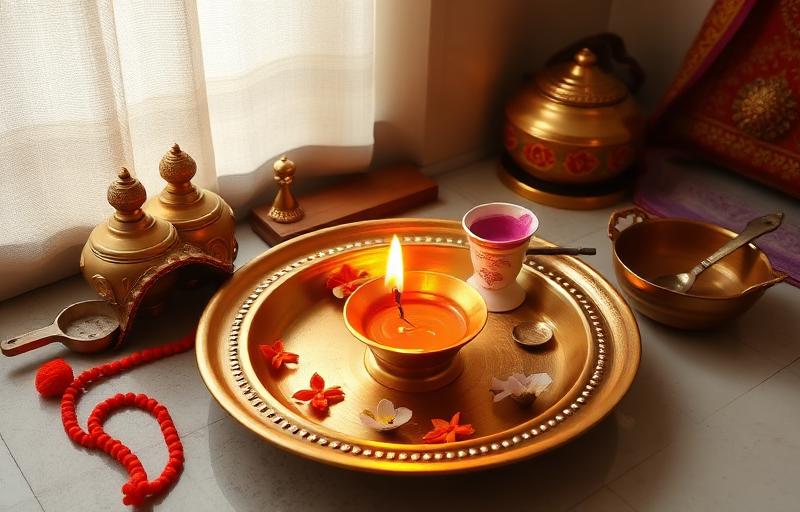
- Daily snan: The snan mantra invites all seven rivers into your bathing water each morning.
- Ganga Dussehra & Ganga Jayanti: Celebrate the descent and birth of Mother Ganga with snan and deepdaan.
- Kumbh Mela: Held by rotation at Prayagraj (Ganga-Yamuna-Saraswati), Haridwar (Ganga), Nashik (Godavari) and Ujjain (Shipra).
- Narmada Parikrama: A revered circumambulation of the entire Narmada river by foot.
- Aarti at the ghats: The grand evening Ganga aarti at Varanasi, Haridwar and Rishikesh draws devotees worldwide.
- Float a diya and offer arghya at any sacred river to honour these mother goddesses.
Common Questions From Devotees
Which are the seven sacred rivers (Sapta Nadi)?+
The Sapta Nadi are Ganga, Yamuna, Godavari, Saraswati, Narmada, Sindhu and Kaveri. They are named together in the daily snan mantra that invokes them into one's bathing water.
What is the snan mantra of the seven rivers?+
The mantra is 'Gange cha Yamune chaiva Godavari Saraswati, Narmade Sindhu Kaveri jalesmin sannidhim kuru.' It requests all seven rivers to be present in the water of one's bath.
Where is the Saraswati river today?+
The Saraswati is the revered 'hidden' river. Tradition holds that she flows unseen and joins the Ganga and Yamuna at the Triveni Sangam in Prayagraj, making it a most sacred confluence.
Why is the Narmada specially sacred?+
Every stone of the Narmada is honoured as a self-formed Shiva linga (Banalinga), and the full-length Narmada Parikrama on foot is one of the most revered pilgrimages. She is one of the seven sacred rivers.
About the author
Acharya Vinaya Kapoor · M.A. Sanskrit, Mantra & Stotra Studies
Acharya Vinaya holds an M.A. in Sanskrit from Banaras Hindu University and writes the mantra and stotra commentary on Vandnaa. Her focus is on accurate pronunciation, traditional context, and helping modern readers connect with classical texts.
Meet the Vandnaa editorial team →